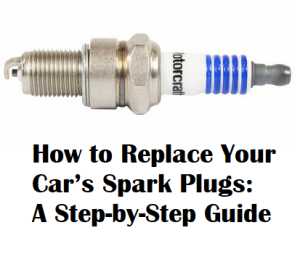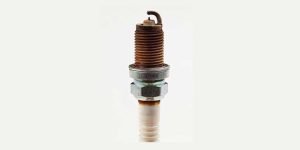
Your car’s spark plugs play a small but mighty role in keeping your engine running smoothly. But how do you know when those tiny parts need to be replaced?
Ignoring worn-out spark plugs can lead to poor engine performance, lower fuel efficiency, and even costly repairs. If you’ve noticed your car acting up or want to avoid unexpected breakdowns, this guide will help you spot the signs that it’s time for new spark plugs.
Keep reading to learn what to watch for and how to keep your engine firing on all cylinders.
Signs Of Worn Spark Plugs
Worn spark plugs can silently drag down your car’s performance, but they often give clear signs before causing major trouble. Recognizing these signs early helps you avoid costly repairs and keeps your engine running smoothly. Are you noticing any odd behavior in your vehicle? Here’s what to watch for.
Engine Misfires
If your engine stumbles or jerks while driving, worn spark plugs might be the cause. Misfires happen when the spark plug fails to ignite the fuel-air mixture properly.
You might feel the engine hesitate or hear a popping sound. Ignoring this can lead to engine damage over time, so it’s a red flag worth checking immediately.
Poor Fuel Economy
Have you noticed you’re filling up the tank more often? Worn spark plugs don’t burn fuel efficiently, causing your car to consume more gas than usual.
This inefficiency can shave miles off your usual fuel economy, directly impacting your budget. Paying attention to this subtle clue can save you money in the long run.
Difficulty Starting
Struggling to start your car, especially in cold weather, may point to spark plug issues. Worn plugs can make it harder for the engine to catch the initial spark needed for ignition.
If your engine cranks longer than usual before firing up, don’t overlook the spark plugs as a potential culprit. This problem usually gets worse if left unresolved.
Rough Idling
Does your engine shake or vibrate when idling? Rough idling often indicates that spark plugs aren’t firing consistently.
This uneven firing causes the engine to run roughly, which you can feel through the steering wheel or seat. It’s a clear sign that your spark plugs need attention.
Reduced Acceleration
Notice your car doesn’t pick up speed like it used to? Worn spark plugs can reduce engine power and slow down acceleration.
You might feel a lag or hesitation when pressing the gas pedal. This drop in performance can affect your driving safety and comfort, so it’s worth inspecting the spark plugs.

Credit: www.youtube.com
Visual Inspection Tips
Visual inspection is a simple way to check your spark plugs. It helps find problems early. This saves money and keeps the engine running well. You only need basic tools and good lighting. Look closely at each spark plug for signs of wear or damage.
Check For Carbon Deposits
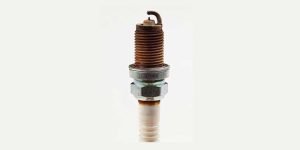
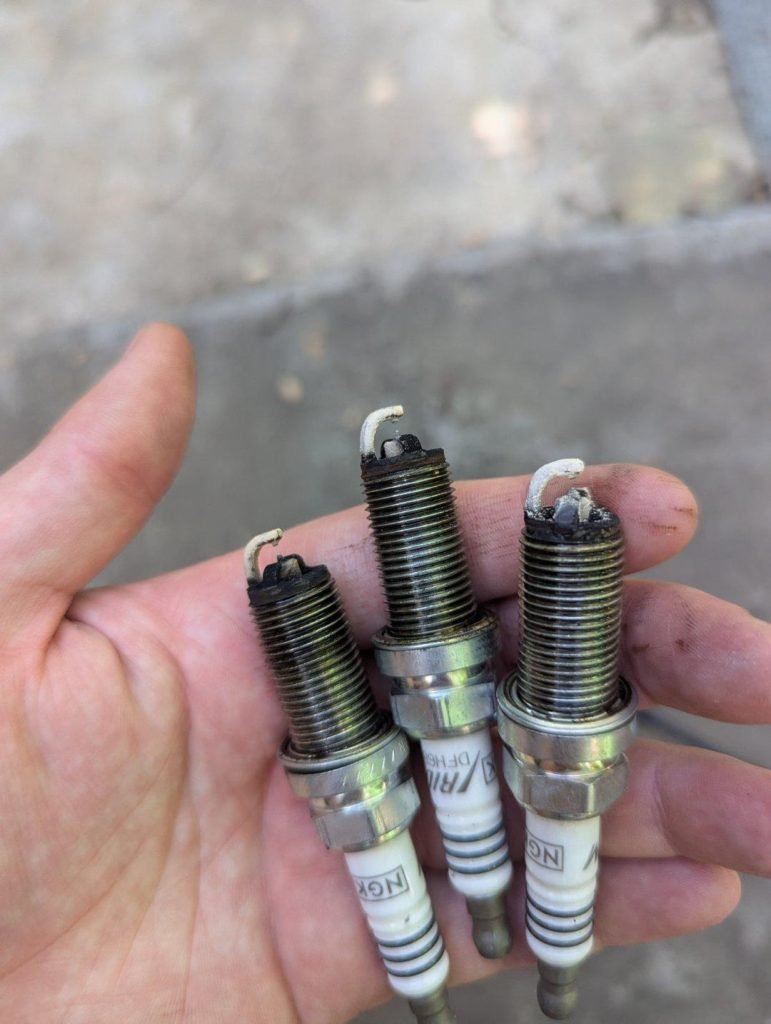
Carbon deposits appear as black, dry soot on the spark plug tip. They can cause misfires and poor fuel economy. A little deposit is normal, but thick layers show incomplete combustion. Clean or replace plugs with heavy carbon buildup.
Look For Worn Electrodes
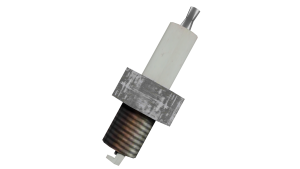
The electrode is the metal piece that creates the spark. Over time, it wears down and becomes rounded or thin. Worn electrodes reduce spark strength and engine power. Replace spark plugs if the electrode shows clear wear or damage.
Inspect For Oil Fouling
Oil fouling looks like wet, dark oil on the spark plug. It means oil is leaking into the combustion chamber. This causes rough idling and poor engine performance. Oil-fouled plugs should be replaced, and the engine checked for leaks.
Examine Spark Plug Color
Healthy spark plugs have a light tan or gray color. This shows good combustion. White, blistered, or very dark plugs indicate engine problems. Use the color as a guide to decide if the plugs need replacement or if engine service is required.
Impact On Vehicle Performance
Your vehicle’s spark plugs play a crucial role in keeping the engine running smoothly. When they start to wear out, you may notice a drop in your car’s overall performance. Understanding how old or faulty spark plugs impact your vehicle can help you decide when it’s time to replace them.
Effect On Engine Power
Worn spark plugs can cause your engine to misfire, leading to a noticeable loss of power. You might feel your car struggling to accelerate or maintain speed, especially uphill or when carrying heavy loads. If you’ve experienced sluggish starts or hesitation while driving, it could be your spark plugs failing to ignite the fuel-air mixture efficiently.
Increased Emissions
Bad spark plugs can cause incomplete fuel combustion, which increases the amount of harmful emissions your vehicle releases. This not only affects the environment but can also cause your car to fail emissions tests. Have you ever noticed a strong fuel smell around your car? That’s often a sign of unburnt fuel caused by faulty plugs.
Potential Engine Damage
Ignoring spark plug issues can lead to more serious engine problems. Misfires and poor combustion put extra stress on components like the catalytic converter, potentially leading to costly repairs. Have you ever considered how a simple spark plug replacement might save you from expensive engine damage down the road?

Credit: www.reddit.com
When To Replace Spark Plugs
Spark plugs play a key role in your vehicle’s engine. Knowing when to replace them helps keep your car running smoothly. Worn spark plugs can lower fuel efficiency and cause engine problems. Regular checks prevent bigger issues later.
Mileage Guidelines
Spark plugs generally last between 30,000 to 100,000 miles. The exact mileage depends on the spark plug type. Copper plugs wear out faster, around 30,000 miles. Platinum and iridium plugs last longer, often up to 100,000 miles. Check your mileage and plan replacements accordingly.
Manufacturer Recommendations
Each car maker sets its own spark plug replacement schedule. This information is in your vehicle’s owner manual. Follow these guidelines to maintain engine health. Skipping recommended changes may cause poor performance. Stick to the schedule to avoid unexpected breakdowns.
Signs Requiring Immediate Replacement
- Engine misfires or rough idling
- Hard starting or no start at all
- Reduced fuel efficiency or power
- Engine surging or hesitation
- Check engine light turns on
These symptoms indicate worn or damaged spark plugs. Replace them as soon as possible to avoid engine damage.
Choosing The Right Spark Plugs
Choosing the right spark plugs can make a noticeable difference in how your vehicle performs. They are small parts but play a huge role in engine efficiency and fuel economy. Knowing which type fits your vehicle and driving style helps avoid unnecessary expenses and keeps your engine running smoothly.
Types Of Spark Plugs
Spark plugs come in several types, each suited for different engines and conditions:
- Copper Spark Plugs:These offer excellent conductivity but wear out faster.
- Platinum Spark Plugs:More durable than copper, they last longer and provide stable performance.
- Iridium Spark Plugs:Known for longevity and superior ignition, ideal for high-performance engines.
Think about how often you drive and your vehicle’s power needs. Do you want durability or peak performance?
Material Differences
The material of the spark plug’s electrode affects its lifespan and efficiency.
- Copper:Best for older cars or those with low-tech engines but requires more frequent replacement.
- Platinum:Offers a good balance between cost and durability.
- Iridium:More expensive upfront but can last twice as long as platinum plugs.
I once switched to iridium plugs for my daily driver and noticed smoother starts in cold weather and better fuel economy. Could investing a little more upfront save you headaches later?
Compatibility With Your Vehicle
Not all spark plugs fit all engines. Always check your vehicle’s manual or manufacturer recommendations.
Using the wrong spark plug can cause misfires, poor fuel economy, and even engine damage. Some modern cars require specific heat ranges or electrode designs to work properly.
Before buying, ask yourself: Does this spark plug match my engine’s specifications? Will it handle my driving conditions?
Maintenance Tips For Longevity
Keeping your spark plugs in top shape can save you from unexpected engine troubles and costly repairs. Maintenance is key to making your spark plugs last longer and perform better. Let’s look at simple, practical tips that you can apply to extend their life and keep your car running smoothly.
Regular Inspection Schedule
Set a clear schedule for checking your spark plugs. Most experts suggest inspecting them every 30,000 miles, but your car’s manual might recommend a different interval.
Look for signs like carbon buildup, worn electrodes, or cracks in the ceramic insulator. These issues can cause misfires or poor fuel economy.
Ask yourself: Have you checked your spark plugs recently? Catching problems early can prevent bigger headaches down the road.
Proper Installation Techniques
Installing spark plugs correctly is just as important as when you replace them. Use a torque wrench to tighten them to the manufacturer’s specifications—too loose or too tight can cause damage.
Apply a small amount of anti-seize compound on the threads to avoid them sticking in the cylinder head.
Remember to gap the spark plugs properly before installation. A wrong gap can reduce engine performance and fuel efficiency.
Avoiding Common Mistakes
Don’t reuse old spark plugs just because they look okay. Old plugs degrade internally even if the outside looks fine.
Avoid using the wrong type or heat range of spark plugs for your vehicle. This can cause overheating or fouling.
Be cautious when working around the ignition system. Damaged wires or connectors can lead to weak sparks and engine problems.

Credit: www.reddit.com
Frequently Asked Questions
How Often Should I Replace My Spark Plugs?
Spark plugs typically need replacement every 30,000 to 100,000 miles. Check your vehicle’s manual for exact intervals. Regular replacement ensures optimal engine performance and fuel efficiency.
What Are Signs Of Worn-out Spark Plugs?
Common signs include engine misfires, poor fuel economy, rough idling, and difficulty starting. Worn spark plugs can cause sluggish acceleration and increased emissions.
Can Bad Spark Plugs Cause Engine Damage?
Yes, faulty spark plugs can lead to engine misfires and overheating. This can cause damage to the catalytic converter and other engine components if not addressed timely.
How To Check Spark Plugs Without Removing Them?
Listen for engine misfires, rough idling, or poor performance. Use an OBD-II scanner to detect ignition-related error codes for further diagnosis.
Conclusion
Regular spark plug checks keep your car running smoothly. Worn plugs harm performance. They can also cause starting problems and poor fuel economy. Listen to your engine. Rough idling or misfires signal spark plug issues. Have a mechanic inspect them.
Replacing spark plugs at the right time saves money. It also avoids bigger repairs. Keep your vehicle in top shape. Regular maintenance ensures a longer life for your car. Stay attentive, and enjoy your drives with confidence.