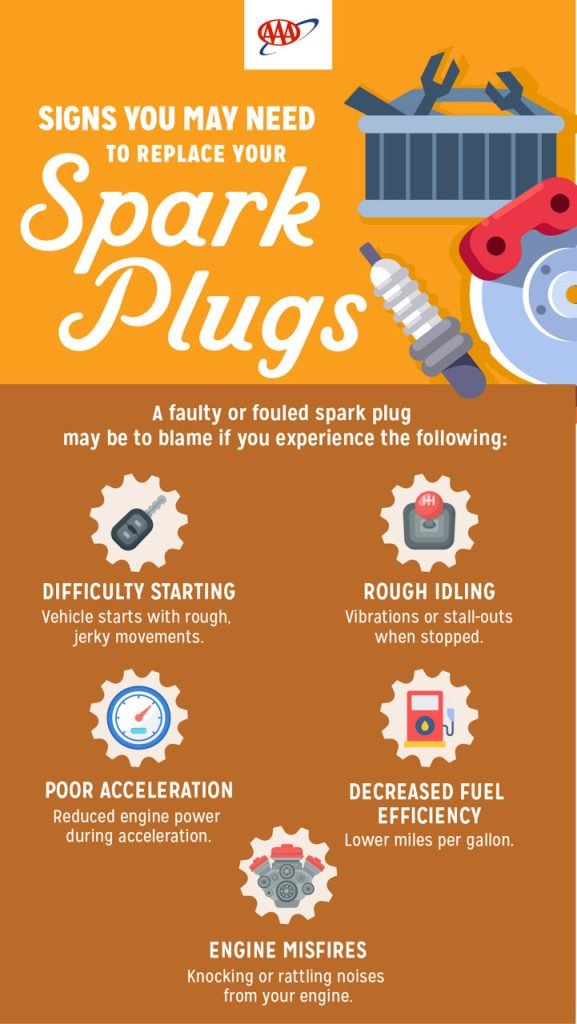
Are you noticing your car behaving a little strangely? Perhaps it’s not accelerating as smoothly as it used to, or maybe the engine is misfiring or idling roughly.
These could be signs that your spark plugs need attention. Spark plugs might be small, but they play a crucial role in keeping your car running efficiently. Ignoring them can lead to decreased performance and even costly repairs. But how do you know if it’s time to replace them?
We’ll guide you through the telltale signs that your spark plugs might need replacing, helping you keep your car in top shape and save money in the long run. Let’s dive in and make sure you’re not caught off guard by a small part that makes a big difference.
Credit: www.youtube.com
Role Of Spark Plugs
Spark plugs play a crucial role in your vehicle’s engine. They ignite the air-fuel mixture that powers the engine, making them essential for smooth operation. Understanding their role helps you recognize when they need attention.
How Spark Plugs Work
Spark plugs create a small but powerful spark inside the engine’s combustion chamber. This spark ignites the fuel and air mixture, causing an explosion that pushes the piston down and generates power.
Each spark plug is connected to an ignition system that delivers high voltage at the precise moment. Without this spark, your engine won’t start or run efficiently.
Impact On Engine Performance
Worn or faulty spark plugs can cause misfires, rough idling, and difficulty starting your car. You might notice a drop in fuel efficiency or less power when accelerating.
Pay attention to signs like engine hesitation or unusual vibrations. These often indicate your spark plugs aren’t firing properly, affecting overall performance and potentially damaging your engine.
Have you experienced sluggish acceleration or a rough ride recently? It might be time to check your spark plugs before the problem worsens.
Common Signs Of Worn Spark Plugs
Worn spark plugs affect how your engine runs. They cause problems that you can notice easily. Knowing these signs helps you avoid bigger engine issues. It also saves money on repairs. Here are some common signs of worn spark plugs.
Engine Misfires
Engine misfires happen when spark plugs fail to ignite fuel properly. This causes the engine to jerk or hesitate. You may feel a sudden loss of power while driving. Misfires also make your car shake. They can lead to rough rides and potential damage over time.
Poor Fuel Efficiency
Worn spark plugs burn fuel less efficiently. Your car uses more gas than usual. This leads to more frequent trips to the pump. Poor fuel efficiency can also increase emissions. Replacing spark plugs improves mileage and saves money on fuel.
Difficulty Starting The Engine
Hard starts often point to spark plug issues. The engine struggles to catch and run smoothly. You may need several tries before the engine starts. This happens because worn plugs fail to create strong sparks. Fixing them makes starting easier and faster.
Rough Idling
Rough idling means your engine runs unevenly when stopped. The car may shake or vibrate more than usual. You might hear unusual noises from the engine. Worn spark plugs cause this by misfiring during idle. New plugs help the engine run smoother and quieter.
Visual Spark Plug Inspection
Visual spark plug inspection helps find signs of wear or damage. It shows if spark plugs need replacement. This check saves time and money by spotting problems early.
Checking For Carbon Deposits
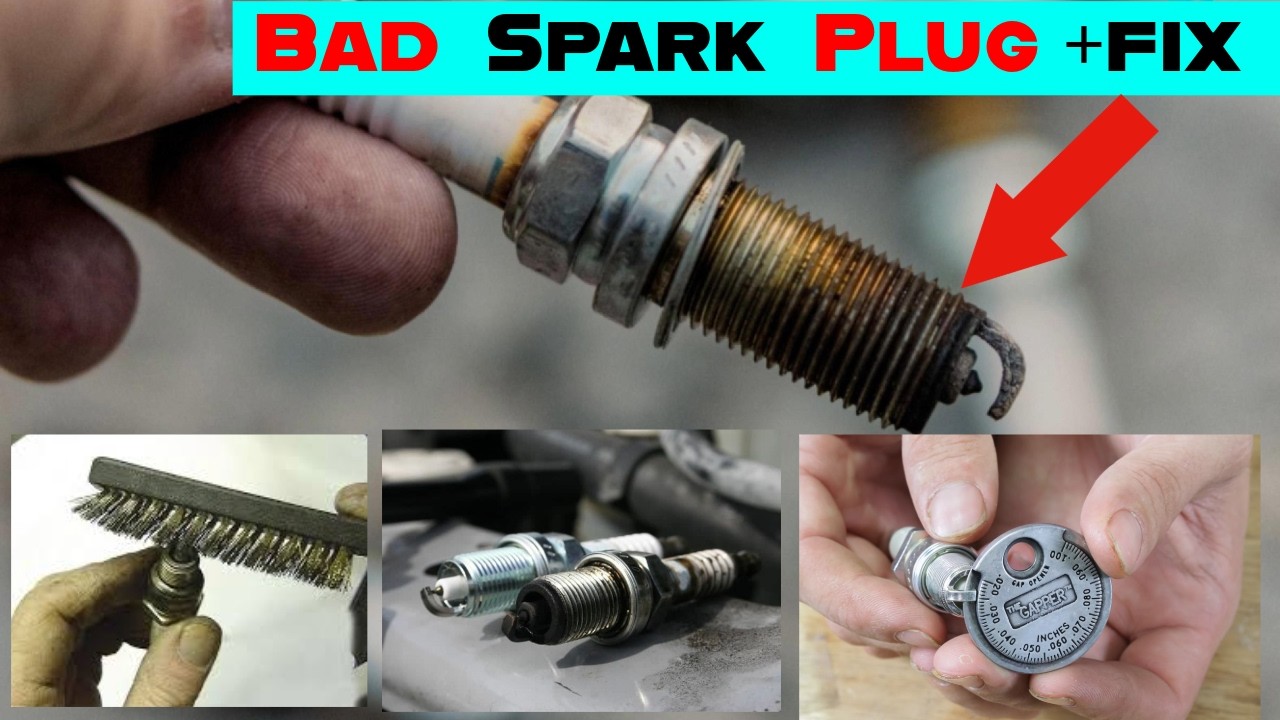
Look at the spark plug tip for black, dry soot. This carbon buildup can cause misfires and poor engine performance. It often means the engine runs too rich or the air filter is dirty.
Examining Electrode Wear
Inspect the electrodes for rounded or worn edges. Sharp edges help create a strong spark. Worn electrodes reduce spark strength and cause rough idling or hard starts.
Detecting Oil Or Fuel Fouling
Check for wet, oily, or shiny deposits on the spark plug. Oil fouling indicates leaking seals or worn piston rings. Fuel fouling shows unburned fuel, often from a weak ignition or flooding.
Consequences Of Ignoring Spark Plug Issues
Ignoring spark plug issues in your vehicle can lead to several serious problems that affect both performance and longevity. Many drivers overlook early warning signs, thinking the car will manage on its own. But neglecting spark plugs can cause costly repairs and unexpected breakdowns.
Reduced Engine Power
Worn or faulty spark plugs fail to ignite the fuel properly. This results in incomplete combustion, which directly reduces your engine’s power.
You might notice your car struggles to accelerate or feels sluggish, especially when going uphill or carrying heavy loads. Have you ever experienced your car hesitating just when you need that extra boost? That hesitation could be a sign your spark plugs are failing.
Increased Emissions
Bad spark plugs cause inefficient fuel burning, which leads to higher emissions from your vehicle. This means more harmful gases are released into the environment.
If you’ve ever failed an emissions test, old or damaged spark plugs might be the hidden culprit. Addressing spark plug problems can help your car run cleaner and save you from fines or failed inspections.
Potential Engine Damage
Ignoring spark plug issues for too long can cause serious damage to your engine’s internal parts. Misfires can stress components like the catalytic converter, leading to expensive repairs.
Think about the last time you skipped a small repair and it turned into a big problem. Preventive maintenance on your spark plugs avoids these costly headaches and keeps your engine running smoothly.
When To Replace Spark Plugs
Knowing the right time to replace spark plugs helps keep your engine smooth. Spark plugs wear out over time and cause poor engine performance. Replacing them at the right time avoids engine problems and saves money.
Manufacturer Recommendations
Car makers provide guidelines for spark plug replacement. These are found in the owner’s manual. Following these helps maintain engine health and fuel efficiency. Most manufacturers suggest changing spark plugs every 30,000 to 100,000 miles. Using the recommended plugs ensures the best fit and performance.
Mileage And Time Intervals
Mileage is the main factor to replace spark plugs. Typical intervals range from 30,000 to 100,000 miles. Older cars may need changes more often. Time also affects spark plugs, even if mileage is low. Most experts advise replacing them every 3 to 5 years. This prevents wear from heat and deposits.
Signs For Immediate Replacement
- Engine misfires or runs rough
- Hard starting or no start
- Poor fuel economy
- Loss of power during acceleration
- Unusual engine noises
- Check engine light is on
These signs mean spark plugs may be failing. Replacing them quickly avoids bigger engine issues. Regular checks help catch problems early.
Choosing The Right Spark Plugs
Choosing the right spark plugs can make a noticeable difference in your vehicle’s performance and fuel efficiency. Picking the wrong type might lead to misfires, poor acceleration, or even engine damage. Understanding the options and what fits your vehicle ensures you get the best out of every drive.
Types Of Spark Plugs
Spark plugs come in several types, each designed for different needs and engines:
- Copper:Basic and affordable, copper plugs conduct heat well but wear out faster.
- Platinum:Last longer than copper and provide better performance in modern engines.
- Iridium:Known for durability and strong sparks, ideal for high-performance vehicles.
- Double Platinum or Double Iridium:Feature electrodes on both sides, offering extended life and consistent firing.
Which type suits your driving style and vehicle age? Consider how often you drive and the conditions you face.
Compatibility With Your Vehicle
Your vehicle’s manual is the best guide for spark plug compatibility. It specifies the correct size, heat range, and gap needed for optimal performance.
Using plugs that don’t match these specs can cause poor ignition or damage. If you don’t have the manual handy, many online tools and auto parts stores offer lookup services by make, model, and year.
Have you checked your current plugs? Noticing wear or deposits can hint that it’s time for a replacement with the right fit.
Quality And Brand Considerations
Not all spark plugs are created equal. Cheaper options might save money upfront but could cost more in repairs later.
Trusted brands invest in quality materials and precise manufacturing. Brands like NGK, Bosch, and Denso are popular for reliability and performance.
Think about your vehicle’s value and how long you plan to keep it. Investing in quality spark plugs can save headaches and improve your car’s lifespan.
Diy Spark Plug Maintenance
Maintaining your spark plugs yourself can save you time and money. It also gives you a deeper understanding of your vehicle’s health. If you’ve noticed rough idling or decreased fuel efficiency, checking your spark plugs might be the answer.
Tools You’ll Need
- Spark plug socket:A deep socket designed to fit spark plugs snugly.
- Ratchet wrench:For loosening and tightening spark plugs with ease.
- Socket extension:Helps reach plugs located deep in the engine.
- Torque wrench:Ensures the spark plugs are tightened to the manufacturer’s specifications.
- Gap gauge:To measure and adjust the spark plug gap accurately.
- Anti-seize compound:Prevents spark plugs from sticking in the cylinder head.
Step-by-step Replacement Guide
First, make sure your engine is cool to avoid burns. Locate your spark plugs by removing any covers or wires gently.
Use the spark plug socket and ratchet to carefully unscrew each plug. Don’t rush this step; cross-threading can damage the threads.
Check each old plug for signs of wear or carbon buildup. Compare the gap using your gap gauge and adjust the new plugs as needed.
Apply a small amount of anti-seize compound on the threads of the new plugs. Screw them in by hand first, then tighten with the torque wrench to the recommended setting.
Reconnect any wires or covers you removed and start your engine to test the new plugs. Does it run smoother? That’s a good sign you did it right.
Tips For Better Longevity
- Keep the spark plug gap within the manufacturer’s specs; too wide or narrow gaps reduce efficiency.
- Use anti-seize sparingly; too much can cause incorrect torque readings.
- Replace spark plugs every 30,000 to 50,000 miles, but check your owner’s manual for specific intervals.
- Inspect ignition wires and coils during replacement to prevent future misfires.
- Consider the type of spark plug best suited for your vehicle—iridium plugs last longer but cost more upfront.
Have you ever felt unsure about tackling car maintenance? Taking control of your spark plug care can boost your confidence and keep your engine running strong. Ready to give it a try?

Credit: www.reddit.com

Credit: beachautomotive.com
Frequently Asked Questions
How Do I Know If Spark Plugs Are Failing?
Worn spark plugs cause rough idling, poor acceleration, and engine misfires. Check for decreased fuel efficiency and difficulty starting. Inspect plugs for carbon buildup or damage. These signs indicate it’s time to replace your spark plugs.
When Should Spark Plugs Be Replaced?
Spark plugs typically need replacement every 30,000 to 100,000 miles. Refer to your vehicle’s owner manual for exact intervals. Early replacement may be needed if you notice performance issues. Regular checks help maintain engine efficiency and prevent damage.
Can Bad Spark Plugs Cause Engine Problems?
Yes, faulty spark plugs lead to engine misfires, rough idling, and reduced power. They increase fuel consumption and emissions. Ignoring bad plugs can cause long-term engine damage. Timely replacement ensures smooth engine performance and better fuel economy.
What Happens If I Ignore Spark Plug Issues?
Ignoring spark plug problems leads to poor engine performance and higher fuel costs. It can cause engine misfires and damage ignition components. Prolonged neglect may result in costly repairs. Regular maintenance helps avoid these issues and keeps your car running well.
Conclusion
Knowing when spark plugs need attention keeps your car running well. Watch for signs like rough starts, poor fuel economy, or engine misfires. Regular checks can save you time and money on repairs. Clean or replace spark plugs as needed to maintain smooth driving.
Simple steps prevent bigger car troubles down the road. Stay alert to your vehicle’s performance and act when something feels off. Your engine will thank you with better power and efficiency. Taking care of spark plugs helps your car last longer and run stronger.





