Have you noticed your car acting a bit strange lately? Maybe it’s not starting as smoothly as it used to, or you’re hearing odd noises from the engine.
These could be signs that your spark plugs need attention. Spark plugs are small but mighty components in your vehicle that can significantly impact performance. Ignoring them might lead to bigger, more expensive issues down the road. But how can you be sure they’re the culprit?
We’ll reveal the telltale signs of bad spark plugs and how to check them, so you can keep your car running smoothly. Stick around to learn how a simple check-up could save you time, money, and a lot of frustration.

Credit: www.reddit.com
Common Spark Plug Issues
Recognizing common spark plug issues can save you from unexpected engine trouble and costly repairs. Spark plugs play a crucial role in igniting your car’s fuel-air mixture, so any problem with them directly impacts performance. Knowing what to look for can help you decide when it’s time for a replacement or professional check-up.
Worn Electrodes
Over time, the electrodes on spark plugs wear down due to constant sparking. This wear causes a wider gap, making it harder for the spark to jump across. You might notice rough idling, poor acceleration, or trouble starting your engine as a result.
Have you ever experienced a sudden loss of power while driving uphill? That could be a sign your electrodes are too worn to ignite fuel properly.
Carbon Deposits
Black, sooty buildup on spark plugs usually points to carbon deposits. These form when the air-fuel mixture is too rich or the engine runs cold frequently. Carbon deposits can cause misfires and reduce fuel efficiency.
Check your spark plugs if your car smells like gasoline or if fuel economy drops unexpectedly. Cleaning or replacing spark plugs might restore smooth engine performance.
Oil Fouling
Oil fouling happens when oil leaks into the combustion chamber and coats the spark plugs. This leaves them wet and blackened, preventing proper sparking. Common causes include worn piston rings or valve seals.
If you notice your spark plugs look oily, ask yourself: Is my engine burning oil? Ignoring this can lead to serious engine damage.
Overheating Signs
Overheated spark plugs often show signs like blistered or melted electrodes and white, ashy deposits. This usually results from engine overheating, incorrect spark plug heat range, or lean fuel mixture. Overheating reduces spark plug lifespan and can cause engine knocking.
Has your engine been running hotter than usual? Inspecting your spark plugs could reveal overheating issues before they escalate.

Credit: www.reddit.com
Performance Symptoms
Noticing changes in your car’s performance can be a clear sign that your spark plugs might be failing. These tiny components play a big role in how smoothly your engine runs. If you start feeling your vehicle isn’t quite right, it’s worth checking if the spark plugs are the cause.
Engine Misfires
Have you ever felt your car jerk or hesitate during acceleration? That’s a classic sign of engine misfires, often caused by worn-out spark plugs. Misfires happen when the spark plug doesn’t ignite the fuel-air mixture properly, leading to incomplete combustion.
You might notice a sudden loss of power or hear unusual noises. If this happens frequently, it can damage other engine parts, so don’t ignore it.
Poor Fuel Economy
Are you filling up the gas tank more often than usual? Bad spark plugs can make your engine burn fuel less efficiently. When the spark plugs don’t fire correctly, your engine compensates by using more fuel to maintain performance.
Tracking your mileage can help you spot this early. A drop in fuel economy is a direct hit to your wallet and a red flag for spark plug issues.
Difficulty Starting
Does your engine struggle to start or take longer to turn over? Faulty spark plugs can cause weak or inconsistent sparks, making ignition harder. This can be especially noticeable in cold weather or after your car has been sitting for a while.
Pay attention if your car needs several attempts to start. It might be time to inspect those spark plugs before the problem worsens.
Rough Idling
When your car is idling, the engine should run smoothly and quietly. If you feel vibrations or hear uneven sounds, rough idling might be the culprit. Bad spark plugs can cause cylinders to misfire at idle, leading to this uncomfortable experience.
Have you noticed your dashboard lights flicker or your RPM needle jump while idling? These subtle hints often point to spark plug issues that need immediate attention.
Visual Inspection Tips
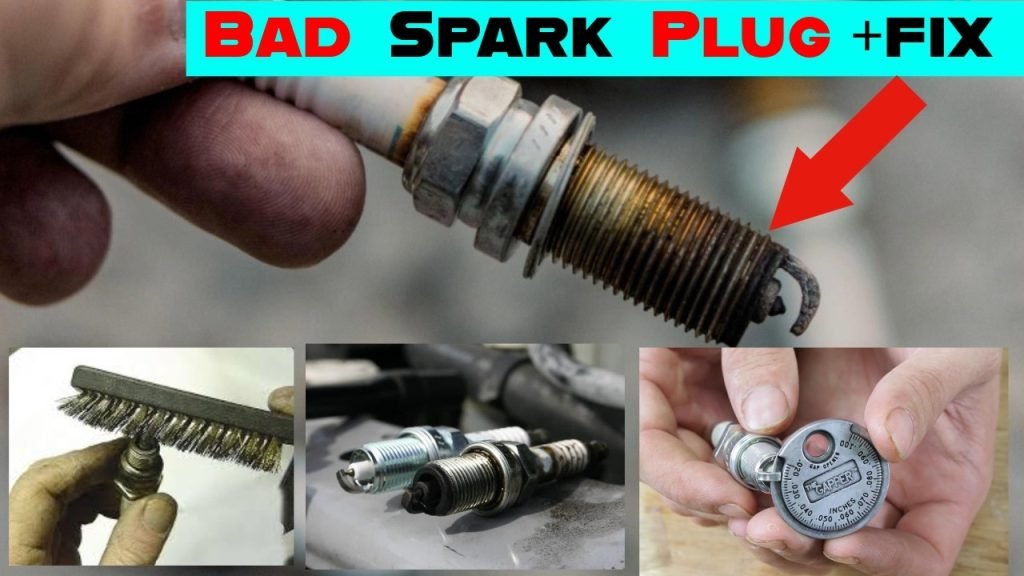
Visual inspection of spark plugs helps detect engine problems early. It reveals wear, dirt, or damage affecting performance. This quick check can save time and money on repairs. Follow safe steps to remove plugs and identify signs of trouble. Comparing used plugs to new ones highlights common issues clearly.
Removing Spark Plugs Safely
First, let the engine cool down completely. Hot parts can cause burns. Use a spark plug socket and ratchet for easy removal. Turn counterclockwise gently to avoid breaking the plug. Clean the area around the plug to stop dirt from entering the cylinder. Handle plugs carefully to protect their delicate parts.
What To Look For
- Carbon Deposits:Black, dry soot means rich fuel or weak spark.
- Oil Fouling:Wet, oily plugs signal oil leaks or worn rings.
- Burnt Electrodes:Rounded or melted tips show overheating.
- Cracks or Chips:Damaged insulator or electrodes need replacing.
- Gap Wear:Enlarged gap reduces spark strength and efficiency.
Comparing To New Plugs
New spark plugs have clean white insulators and sharp edges. Electrodes appear intact with a small, precise gap. Comparing old plugs side-by-side helps spot wear easily. Differences in color and shape reveal spark plug health. Replace worn plugs to improve fuel economy and engine power.
Testing Spark Plug Health
Knowing if your spark plugs are in good shape is key to keeping your engine running smoothly. Testing their health doesn’t require a trip to the mechanic every time. You can check them yourself with a few simple tools and some careful observation.
Using A Spark Tester
A spark tester is a handy tool that lets you see if your spark plugs are firing correctly. Connect the tester between the spark plug wire and the plug itself. When you crank the engine, watch for a strong, blue spark inside the tester’s window.
If the spark is weak or flickering, it’s a sign your spark plugs might be worn out or dirty. No spark at all means there’s likely a bigger problem with the ignition system or the plug. Testing this way saves you time and guesswork.
Multimeter Readings
You can also use a multimeter to check the resistance of your spark plugs. Set the multimeter to the ohms setting and touch the leads to the terminal and the electrode of the plug. A typical healthy spark plug will have resistance between 4,000 to 8,000 ohms.
Readings outside this range suggest the plug is failing and may cause misfires or poor fuel economy. I once found a spark plug showing infinite resistance—completely dead—just by doing this simple test. It helped me avoid a costly engine problem.
Signs From Ignition System
Sometimes your car’s ignition system gives you clues about spark plug health. Pay attention if your engine struggles to start, idles roughly, or hesitates during acceleration. These symptoms often point to spark plugs that need attention.
Check your dashboard for the check engine light—it can indicate misfires caused by faulty plugs. Listening to your engine can also help; a sudden drop in power or strange noises might mean it’s time for a spark plug check.
When To Replace Spark Plugs
Knowing exactly when to replace your spark plugs can save you time, money, and frustration. Waiting too long can cause engine misfires, poor fuel economy, and even damage to your catalytic converter. But how do you determine the right moment to swap them out?
Manufacturer Recommendations
Your vehicle’s manual is the first place to check for spark plug replacement intervals. Manufacturers test and set guidelines based on your engine’s design and typical driving conditions. Following these recommendations helps you avoid guesswork and keeps your engine running smoothly.
Keep in mind, some modern spark plugs, like iridium or platinum types, last longer than traditional copper ones. So, if your manual suggests a 100,000-mile interval, using a different spark plug type might mean adjusting your schedule accordingly.
Mileage Guidelines
Mileage is a practical way to track when spark plugs need replacing, especially if you don’t have access to the manufacturer’s manual. Most spark plugs require replacement between 30,000 and 100,000 miles depending on their material and your driving habits.
If you drive mostly in stop-and-go traffic or short trips, your spark plugs may wear out faster. On the other hand, highway driving tends to be gentler on spark plugs, potentially extending their lifespan.
Damage Severity
Sometimes, waiting for a mileage milestone isn’t enough. If you notice rough idling, difficulty starting your car, or decreased fuel efficiency, inspect your spark plugs immediately. Physical damage like worn electrodes, heavy deposits, or cracks means it’s time to replace them, regardless of mileage.
Have you ever ignored a warning sign only to face a costly repair later? Taking a few minutes to check your spark plugs can prevent bigger problems down the road.

Credit: www.subaruoutback.org
Preventive Measures
Taking preventive measures can save you from the hassle of dealing with bad spark plugs. These small components play a huge role in your engine’s performance. By staying proactive, you can avoid costly repairs and keep your car running smoothly.
Regular Maintenance
Check your spark plugs regularly, especially if you notice rough idling or poor fuel economy. Cleaning or replacing them every 30,000 miles can prevent buildup and wear. Don’t wait for a warning light; a quick inspection during oil changes can reveal early signs of trouble.
Fuel Quality Impact
Using low-quality fuel can cause deposits on spark plugs that reduce their efficiency. Have you ever noticed your engine misfiring after filling up at a cheaper gas station? Choosing high-quality fuel helps keep the spark plugs clean and improves overall engine health.
Proper Installation
Even the best spark plugs won’t perform well if installed incorrectly. Make sure you follow the manufacturer’s torque specifications to avoid damage. If you’re unsure, getting a professional to install them can save you from costly mistakes and ensure optimal performance.
Frequently Asked Questions
What Are Common Symptoms Of Bad Spark Plugs?
Bad spark plugs cause engine misfires, rough idling, and poor fuel efficiency. You may notice difficulty starting your car or reduced acceleration. These symptoms indicate the spark plugs need inspection or replacement.
How Can I Test If My Spark Plugs Are Bad?
You can test spark plugs by visually inspecting for wear or deposits. Using a spark plug tester helps check spark strength. If spark is weak or inconsistent, replacement is necessary.
How Often Should Spark Plugs Be Replaced?
Spark plugs typically last 30,000 to 100,000 miles, depending on type. Check your vehicle’s manual for specific intervals. Regular replacement prevents engine issues and maintains optimal performance.
Can Bad Spark Plugs Cause Poor Fuel Economy?
Yes, bad spark plugs reduce combustion efficiency, leading to increased fuel consumption. Replacing worn plugs improves fuel economy and lowers emissions.
Conclusion
Bad spark plugs can cause many car problems. Watch for rough idling, slow starts, and poor fuel use. These signs mean it’s time to check your spark plugs. Regular car care helps avoid costly repairs later. Keep your engine running smooth and strong.
Knowing the signs helps you act fast and save money. Stay alert and maintain your vehicle well. Good spark plugs mean better driving every day.





