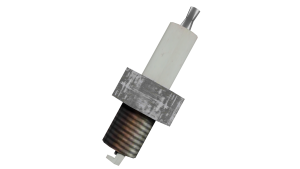
Are you wondering if your car’s spark plugs need replacing? Spark plugs play a key role in keeping your engine running smoothly.
When they start to wear out, you might notice your car misfiring, struggling to start, or losing power. But how can you be sure it’s time for new spark plugs? You’ll discover simple signs to watch for and easy ways to check your spark plugs.
By the end, you’ll know exactly when to take action—saving you time, money, and hassle on the road. Keep reading to find out if your spark plugs are ready for a change.
Symptoms Of Worn Spark Plugs
Worn spark plugs can cause many car problems. They affect engine performance and fuel use. Knowing the symptoms helps you decide when to replace them. Watch for signs that show spark plugs need attention.
Engine Misfires
Engine misfires feel like a sudden jerk or pause. The engine may run rough or lose power. This happens because spark plugs fail to ignite fuel properly. Misfires can damage other parts if ignored.
Poor Fuel Efficiency
Worn spark plugs cause your car to use more fuel. The engine burns fuel unevenly, wasting gas. You might notice more frequent trips to the gas station. This lowers your car’s overall efficiency.
Difficulty Starting
The car may struggle to start or take longer to turn on. Weak sparks from worn plugs make ignition harder. This issue is more common in cold weather or after long stops.
Rough Idle
A rough idle means the engine shakes or vibrates when stopped. The car may sound uneven or choppy. This happens because the spark plugs don’t fire consistently. It can make driving uncomfortable.
Reduced Acceleration
Your car may feel slow when pressing the gas pedal. Acceleration can be sluggish or delayed. Worn spark plugs reduce engine power and responsiveness. This affects overall driving performance.
Credit: www.youtube.com
Visual Inspection Tips
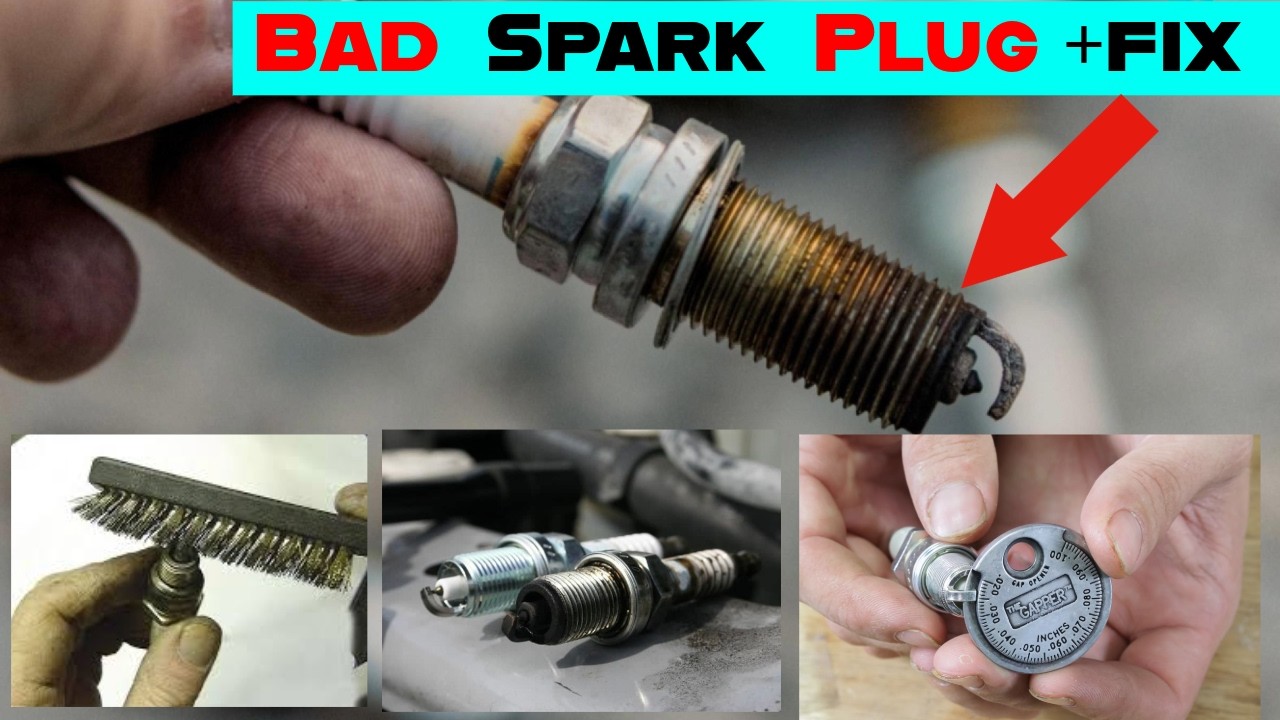
Visual inspection is an easy way to check the health of spark plugs. It reveals signs of wear or damage that affect engine performance. You only need a flashlight, a socket wrench, and a clean cloth. Take out each spark plug carefully and look closely. Here are key points to focus on during inspection.
Checking For Deposits
Look for black, oily, or white deposits on the spark plug tip. Black soot usually means a rich fuel mixture or weak spark. Oily deposits suggest oil leaks inside the engine. White or light gray deposits may indicate overheating. Clean deposits reduce spark effectiveness.
Inspecting Electrode Wear
Check the center and ground electrodes for rounded or worn edges. Sharp edges help create a strong spark. Worn electrodes cause weak sparks and misfires. Uneven wear can mean engine problems or poor fuel quality.
Assessing Gap Size
Measure the gap between the center and ground electrodes with a feeler gauge. The gap affects spark strength and timing. A gap too wide or too narrow harms engine performance. Compare the gap to your vehicle’s manual specifications.
Signs Of Corrosion Or Damage
Look for rust, cracks, or chips on the spark plug body and insulator. Corrosion weakens electrical connections and causes misfires. Cracks allow combustion gases to escape. Damaged spark plugs need replacement immediately.
When To Replace Spark Plugs
Knowing when to replace spark plugs is key to keeping your engine running smoothly. Spark plugs wear out over time and can cause poor engine performance or trouble starting your car. Replacing them at the right time helps maintain fuel efficiency and prevents engine misfires.
Recommended Mileage Intervals
Most spark plugs need replacement between 30,000 and 100,000 miles. The exact interval depends on the plug type and your vehicle. Copper spark plugs usually last about 30,000 miles. Platinum and iridium plugs last longer, often up to 100,000 miles. Check your vehicle’s maintenance schedule for guidance.
Manufacturer Guidelines
Follow your car maker’s instructions for spark plug replacement. The owner’s manual provides specific recommendations. These guidelines consider engine design and plug material. Sticking to them ensures optimal engine performance and fuel economy. Ignoring these recommendations can lead to engine damage.
Impact Of Driving Conditions
Driving habits affect spark plug life. Short trips, stop-and-go traffic, and dusty roads wear plugs faster. High engine temperatures or towing heavy loads also reduce spark plug life. Adjust replacement intervals if your driving is tough on the engine. Regular inspections help spot early wear and tear.
Credit: modernautoparts.co.za
Testing Spark Plugs
Testing your spark plugs is a straightforward way to understand if they need replacement. It can save you time and money by pinpointing the problem early. You don’t need to be a mechanic to perform some basic tests that reveal the health of your spark plugs.
Using A Spark Tester
A spark tester is a handy tool that shows whether your spark plugs are firing properly. You simply connect it to the spark plug wire, crank the engine, and watch for a bright, consistent spark. If the spark is weak, intermittent, or absent, it’s a clear sign your spark plugs may be failing.
One time, I used a spark tester on my car before a long trip. The tester revealed a weak spark on one plug, saving me from a breakdown hours away from home. Have you ever felt stranded because of a sudden engine misfire?
Multimeter Checks
A multimeter can measure the resistance of your spark plugs, helping you spot internal damage. To do this, set the multimeter to the ohms setting and touch the probes to the plug’s terminals. A very high or infinite reading means the plug’s insulation is damaged, signaling the need for replacement.
Remember, each spark plug has a specific resistance range noted in your vehicle’s manual. Testing this way gives you a precise way to check the plug’s condition without guesswork. Have you checked your spark plugs’ resistance before?
Professional Diagnostics
If you want a thorough check, professional diagnostics can reveal issues beyond spark plugs. Mechanics use advanced scan tools to monitor engine performance and detect misfires or other ignition problems. This approach can save you from replacing parts unnecessarily.
Booking a diagnostic session gives you expert insight and often includes a spark plug inspection. It’s a smart choice if you notice rough idling or reduced fuel efficiency but aren’t sure what’s wrong. When was the last time your car had a full diagnostic checkup?
Benefits Of New Spark Plugs
New spark plugs play a key role in your car’s engine health. They help ignite the fuel-air mix in the engine cylinders. Over time, spark plugs wear out and lose efficiency. Replacing them brings several clear benefits. These benefits improve how your car drives and how much fuel it uses.
Improved Engine Performance
Fresh spark plugs create a strong spark for better combustion. This makes the engine run smoother and more powerfully. You may notice faster acceleration and less engine misfires. The car responds better to the gas pedal.
Better Fuel Economy
New spark plugs burn fuel more efficiently. This means the engine uses less fuel for the same distance. You save money on gas and reduce trips to the pump. Efficient combustion also helps your engine last longer.
Lower Emissions
Clean spark plugs reduce harmful exhaust gases. They help the engine burn fuel fully and cleanly. This lowers the amount of pollution released into the air. It also helps your car pass emissions tests more easily.
Smoother Starts
Worn spark plugs cause hard or slow starts. New ones provide a reliable spark right away. Your engine starts faster and with less effort. This makes cold mornings and stop-and-go traffic less frustrating.

Credit: www.acg.aaa.com
Choosing The Right Spark Plugs
Choosing the right spark plugs matters a lot for your engine’s health and performance. The right plugs can improve fuel efficiency and reduce emissions. Wrong plugs can cause poor engine running and even damage. Understanding different types, heat ranges, and vehicle compatibility helps make the best choice. Let’s explore these key points.
Types Of Spark Plugs
Spark plugs come in several types, each with unique features. Copper plugs are common and affordable but wear out faster. Platinum plugs last longer and offer better performance. Iridium plugs provide the best durability and strong sparks but cost more. Choose based on your driving needs and budget.
Heat Range Importance
Heat range shows how fast a spark plug can remove heat from the combustion chamber. A plug with a proper heat range prevents overheating and fouling. Too hot plugs can cause engine knocking. Too cold plugs may foul quickly. Always select a heat range suitable for your engine and driving style.
Compatibility With Your Vehicle
Not all spark plugs fit every car. Check your vehicle’s manual for recommended spark plug types and sizes. Using incompatible plugs can lead to poor engine performance or damage. Match the plug’s thread size, reach, and gap to your engine’s specifications. This ensures safe and efficient operation.
Frequently Asked Questions
How Do I Know If Spark Plugs Need Replacing?
You may notice engine misfires, rough idling, or poor acceleration. Inspect spark plugs for wear, deposits, or damage. Regular maintenance schedules also recommend replacement every 30,000 to 100,000 miles depending on your vehicle.
What Are Common Signs Of Worn Spark Plugs?
Signs include difficulty starting the engine, decreased fuel efficiency, and engine misfires. Additionally, rough idling and reduced power can indicate worn spark plugs needing replacement.
How Often Should Spark Plugs Be Replaced?
Spark plug replacement depends on type and vehicle but generally ranges from 30,000 to 100,000 miles. Consult your owner’s manual for specific recommendations to maintain engine performance.
Can Bad Spark Plugs Cause Engine Problems?
Yes, bad spark plugs can cause misfires, poor fuel economy, and rough idling. They affect engine performance and can lead to more serious issues if ignored.
Conclusion
Spark plugs are crucial for your car’s performance. Recognizing signs of wear can save you time and money. Misfires, rough idling, or poor fuel economy suggest spark plug issues. Regular maintenance ensures your vehicle runs smoothly. Consider replacing spark plugs if these symptoms persist.
It’s an easy task that enhances engine efficiency. Keep your car in top shape by checking spark plugs regularly. This simple step boosts engine health and reliability. Remember, a well-maintained vehicle provides better performance and safety on the road. Stay proactive and keep your car running smoothly.