Have you ever wondered why your car is suddenly running rough or struggling to start? The problem might be right under your nose—your spark plugs.
Knowing how to spot a bad spark plug can save you from costly repairs and keep your engine running smoothly. You’ll discover simple signs to look for and easy ways to check your spark plugs. By the end, you’ll feel confident in diagnosing this common issue and keeping your vehicle in top shape.
Keep reading to learn how to protect your car and avoid unexpected breakdowns.

Credit: m.youtube.com
Common Spark Plug Issues
Common spark plug issues affect engine performance and fuel efficiency. Recognizing these problems helps keep your vehicle running smoothly. Spark plugs work hard, and wear is natural over time. Some issues are visible and easy to spot.
Here are the main problems that indicate a bad spark plug.
Worn Electrodes
Electrodes wear down after long use. This causes a bigger gap between them. A larger gap makes sparks weaker. The engine may misfire or run rough. Worn electrodes reduce fuel efficiency and power.
Carbon Deposits
Carbon deposits form from incomplete fuel burning. These black, dry deposits cover the spark plug tip. They block sparks and cause misfires. Carbon buildup often happens with rich fuel mixtures. Cleaning or replacing the spark plug fixes this issue.
Oil Fouling
Oil fouling occurs when oil leaks into the combustion chamber. Oil coats the spark plug, causing poor ignition. The plug looks wet and dark. This problem leads to rough engine running and hard starts. Oil fouling means an engine repair might be needed.
Cracked Insulator
The insulator is the white ceramic part of the plug. Cracks in the insulator cause spark leaks. This leads to weak sparks and engine misfires. Cracked insulators often happen from overheating or physical damage. Replace the spark plug immediately if cracks appear.

Credit: www.toyotanation.com
Engine Performance Symptoms
Engine performance changes often signal spark plug issues. These symptoms show how a bad spark plug affects your car’s running. Watch for unusual engine behavior that could mean it needs checking or replacing.
Rough Idle
A bad spark plug can cause your engine to idle roughly. The engine may shake or vibrate more than usual while stopped. This happens because the spark plug isn’t firing correctly. The combustion process becomes uneven, causing roughness.
Misfiring Engine
Engine misfires occur when the spark plug fails to ignite the fuel. You might feel jerks or pauses during acceleration. This can reduce power and make driving unsafe. Misfires also lead to higher emissions and engine damage over time.
Difficulty Starting
Starting your car can become hard with a failing spark plug. The engine may crank longer or not start at all. Weak sparks make it tough to ignite the air-fuel mixture. This symptom is clear evidence of spark plug trouble.
Reduced Fuel Efficiency
Bad spark plugs reduce fuel efficiency by causing incomplete combustion. Your car uses more fuel to maintain the same speed. You may notice more frequent visits to the gas station. This wastes money and harms the environment.
Visual Inspection Tips
Visual inspection is a simple way to check if a spark plug needs replacement. It reveals signs of wear and damage without special tools. A careful look can tell a lot about the spark plug’s condition and the engine’s health.
Removing The Spark Plug
Start with the engine cool to avoid burns. Use a spark plug socket and ratchet for easy removal. Turn the spark plug counterclockwise to loosen it. Handle the plug gently to avoid breaking it. Keep track of each plug’s position for reinstallation.
Checking For Damage
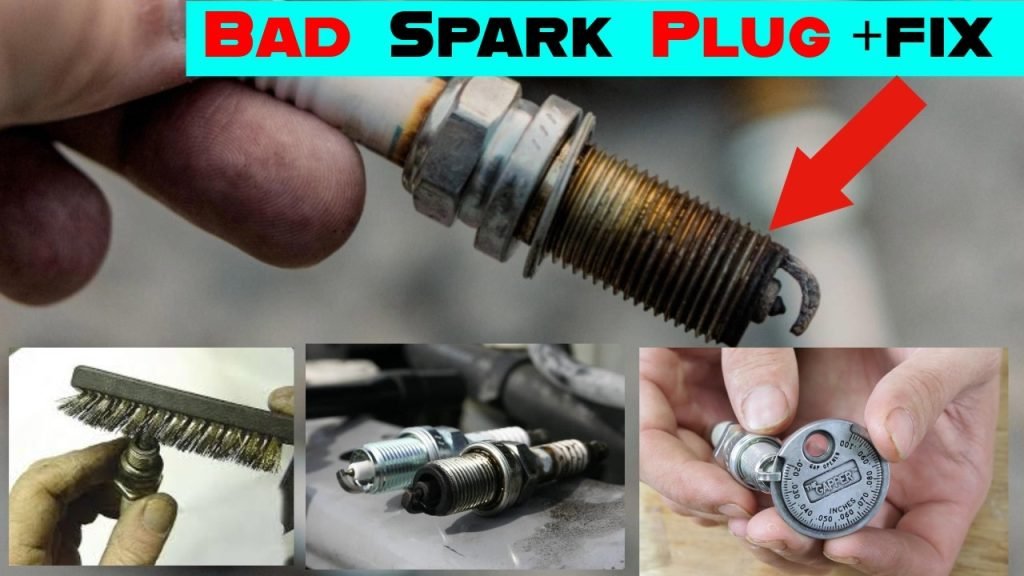
Look for cracks or chips on the ceramic insulator. Check the metal parts for corrosion or rust. Bent or worn electrodes reduce spark efficiency. Broken or melted electrodes mean the plug is bad. Physical damage usually requires immediate replacement.
Assessing Color And Deposits
Normal spark plugs show light tan or gray deposits. Black, sooty deposits often mean a rich fuel mixture. White deposits may indicate overheating or lean fuel. Oily deposits suggest oil leaks in the engine. Heavy buildup reduces spark and causes misfires.
Diagnostic Tools And Tests
Testing your spark plugs helps find problems early. Diagnostic tools make this task easier and more accurate. These tools check spark plug function and engine health. Simple tests reveal if plugs need cleaning or replacement.
Using A Spark Plug Tester
A spark plug tester shows if the spark plug fires correctly. Connect the tester between the spark plug and ignition wire. Watch for a strong, bright spark inside the tester. A weak or no spark means the plug is bad. This test is quick and safe for most vehicles.
Measuring Gap With A Gauge
Check the spark plug gap with a feeler gauge or gap tool. The gap is the space between the center and ground electrode. Correct gap size ensures proper spark and engine performance. Too wide or too narrow gaps cause misfires or poor fuel use. Adjust the gap carefully or replace the plug if needed.
Performing Compression Tests
Compression tests measure engine cylinder pressure. Low pressure can mean bad spark plugs or other engine issues. Use a compression gauge in the spark plug hole. Crank the engine and read the pressure value. Compare results to the manufacturer’s specifications. Low or uneven pressure suggests a deeper engine problem.
When To Replace Spark Plugs
Knowing when to replace spark plugs is crucial for keeping your vehicle running smoothly. Spark plugs wear out over time and can cause poor engine performance or even damage. Paying attention to the right signs and guidelines can save you from unexpected breakdowns and costly repairs.
Manufacturer Recommendations
Every car manufacturer provides a recommended interval for spark plug replacement. This information is usually found in your vehicle’s owner manual. Following these guidelines ensures your engine performs optimally and maintains fuel efficiency.
Ignoring the manufacturer’s schedule can lead to gradual loss of power or increased emissions. Have you checked your manual lately? It might be time to schedule a spark plug check based on those recommendations.
Mileage Considerations
Generally, spark plugs need replacement between 30,000 to 100,000 miles, depending on the type. Copper plugs wear out faster, while platinum and iridium plugs last longer.
If you drive mostly in stop-and-go traffic, your spark plugs may wear out sooner. Do you often find yourself stuck in traffic? Consider replacing your plugs earlier than the standard mileage.
Signs Of Irreparable Damage
Some spark plug problems are obvious and mean immediate replacement is necessary. Look for cracked insulators, heavy carbon buildup, or burnt electrodes.
If you notice your engine misfiring, rough idling, or poor acceleration, bad spark plugs could be the cause. Have you experienced any of these symptoms lately? Don’t wait—inspect your plugs or have a mechanic do it for you.
Preventive Maintenance Tips
Maintaining spark plugs is key to your engine’s smooth running. Preventive care helps avoid sudden breakdowns and costly repairs. Small steps can extend spark plug life and keep your vehicle efficient.
Regular Inspection Schedule
Check spark plugs every 30,000 miles or as your vehicle manual suggests. Look for signs like worn electrodes, carbon buildup, or cracks. Clean or replace spark plugs to keep ignition strong. Use a gap gauge to ensure proper spacing.
Proper Installation Techniques
Always install spark plugs carefully to avoid damage. Tighten plugs to the correct torque to prevent loosening or thread damage. Use anti-seize compound on threads if recommended by the manufacturer. Handle plugs gently to protect the ceramic insulator.
Choosing The Right Spark Plug
Select spark plugs that match your engine’s specifications exactly. Consider heat range, size, and material for best performance. Using the wrong plug can cause misfires and reduce fuel efficiency. Consult your vehicle manual or a trusted mechanic for guidance.

Credit: www.reddit.com
Frequently Asked Questions
How Do I Check If My Spark Plug Is Bad?
Inspect the spark plug for wear, deposits, or damage. Look for fouling, cracks, or corrosion on the electrode. A bad spark plug often causes engine misfires and rough idling.
What Are Common Signs Of A Failing Spark Plug?
Signs include poor acceleration, rough engine idle, misfires, and decreased fuel efficiency. Your vehicle might also have trouble starting or exhibit increased emissions.
Can A Bad Spark Plug Cause Engine Problems?
Yes, faulty spark plugs can cause misfires, loss of power, and poor fuel economy. They disrupt the ignition process, leading to inefficient engine performance.
How Often Should Spark Plugs Be Replaced?
Typically, spark plugs should be replaced every 30,000 to 100,000 miles. Check your vehicle’s manual for the recommended interval specific to your model.
Conclusion
Recognizing bad spark plugs is crucial for vehicle health. Listen for engine misfires. Watch for sluggish acceleration. Notice any rough idling. Regular inspections help catch issues early. Replace worn plugs to maintain efficiency. Improved performance and fuel economy result. Remember, healthy spark plugs equal a happy engine.
Keep your vehicle running smoothly. Regular maintenance saves you time and money. Stay attentive to signs of wear. Your car will thank you. Drive safely with confidence, knowing your engine is in good shape. Pay attention to these small but mighty components.
They play a big role in your car’s performance.