Is your mower sitting idle because the battery won’t start? You’re not alone, and the good news is—you don’t have to wait or call for help.
Knowing how to jump start your mower with a dead battery can save you time, money, and frustration. Imagine getting your mower up and running in minutes, ready to tackle your yard without hassle. Keep reading, and you’ll learn simple, step-by-step tips that anyone can follow, even if you’ve never handled a battery before.
Your mower—and your lawn—will thank you.

Credit: www.youtube.com
Safety Precautions
Jump-starting a mower with a dead battery requires careful attention to safety. Batteries hold power that can cause sparks or acid leaks. Taking the right precautions protects you and your mower from harm. Always prepare before starting the process.
Wear Protective Gear
Wear safety goggles to protect your eyes from sparks or acid splashes. Use gloves to keep your hands safe from battery acid and sharp parts. Avoid loose clothing that could catch on moving parts or cables. Proper gear reduces the risk of injury during the jump-start.
Work In A Well-ventilated Area
Perform the jump-start outside or in an open space. Batteries release gases that can be harmful if inhaled. Good ventilation prevents gas buildup and lowers the risk of explosions. Avoid working near open flames or sparks.
Check For Battery Damage
Inspect the battery for cracks, leaks, or corrosion before starting. Damaged batteries can leak acid or catch fire during jump-starting. Do not attempt to jump-start if you see any damage. Replace the battery or consult a professional for help.
Gather Necessary Tools
Before jump starting a mower with a dead battery, gather all necessary tools. Having the right equipment makes the process safe and quick. Prepare your workspace and check each item carefully.
Jumper Cables
Jumper cables are essential for transferring power from another battery. Choose cables with thick insulation for safety. Make sure the clamps are clean and free of rust.
Second Vehicle Or Portable Jump Starter
A second vehicle with a good battery works well for jump starting. Park it close but avoid touching the mower. A portable jump starter is a great alternative. It offers convenience without needing another vehicle.
Gloves And Safety Glasses
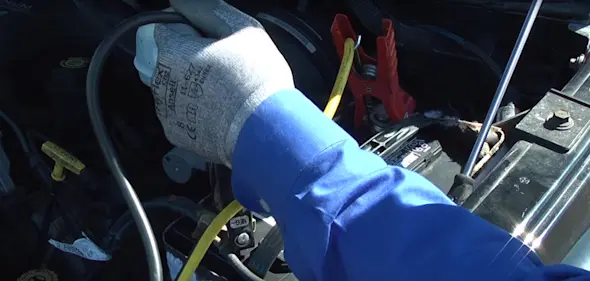
Wear gloves to protect your hands from sparks and dirt. Safety glasses shield your eyes from any debris or acid splashes. These simple protections reduce the risk of injury during the jump start.
Locate The Battery
Locating the battery is the first step to jump-start a mower with a dead battery. Knowing where the battery sits helps you connect jumper cables safely. Mower batteries are usually easy to find but can vary by model.
Some batteries sit under the mower seat. Others may be inside a compartment near the engine. Take a moment to check your mower’s manual if the battery is not obvious.
Find Battery Position
Most riding mowers have the battery below the seat or in front near the engine. Push or lift the seat to check underneath. For push mowers, the battery may be in a small box near the engine or handlebar.
Look for a rectangular or square box with two cables attached. It might have a cover or clip holding it in place. Remove any cover carefully to avoid damage.
Identify Positive And Negative Terminals
The battery has two terminals: positive and negative. The positive terminal usually has a red cover or a “+” sign. The negative terminal is often black or marked with a “-” sign.
Check the terminals for dirt or corrosion before jump-starting. Clean terminals help a better connection. Always connect the positive cable first and remove it last for safety.
Connect Jumper Cables
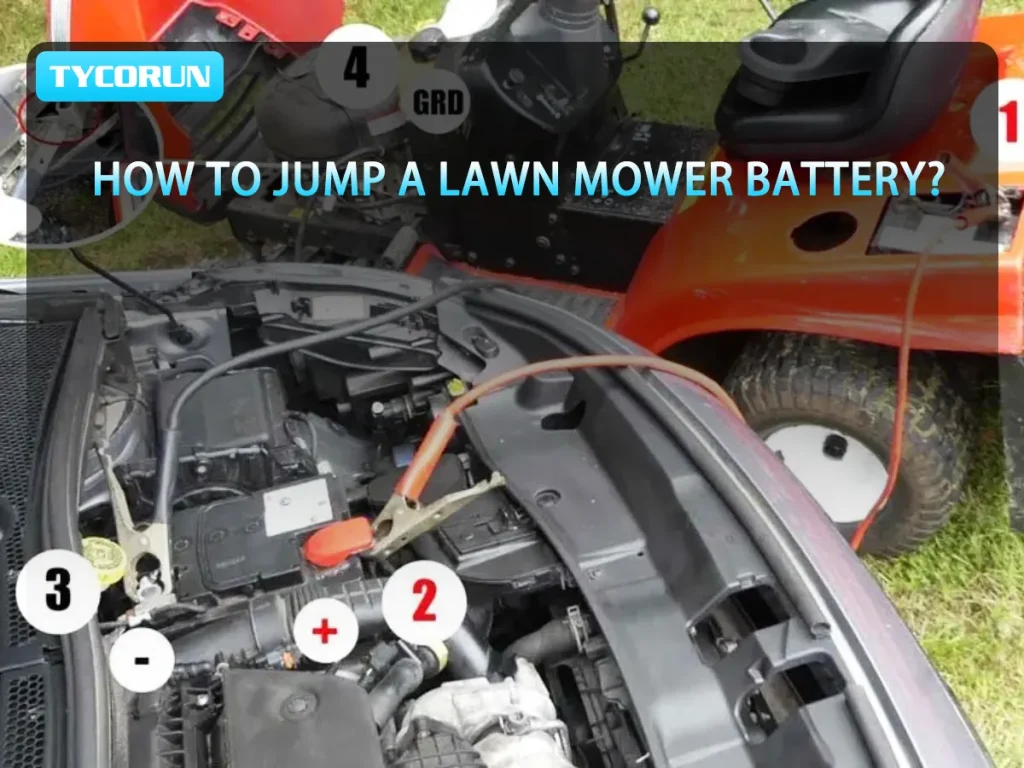
Connecting jumper cables is a crucial step to jump start your mower with a dead battery. It’s important to attach the cables correctly to avoid sparks or damage. Take your time and follow the order carefully to get your mower running again quickly and safely.
Attach Red Clamp To Dead Battery
Start by attaching the red clamp to the positive terminal of the dead battery on your mower. The positive terminal usually has a “+” sign or is marked in red. Make sure the clamp is firmly connected to avoid slipping during the jump start.
Attach Red Clamp To Live Battery
Next, connect the other red clamp to the positive terminal of the live battery on another vehicle or a charged battery pack. This connection provides the power your mower battery needs. Double-check that both red clamps are secure before moving to the black clamps.
Attach Black Clamp To Live Battery
Now, attach one black clamp to the negative terminal of the live battery. The negative terminal is often marked with a “-” sign or colored black. This completes the positive and negative connections on the live battery side.
Attach Black Clamp To Ground On Mower
Instead of connecting the last black clamp directly to the dead battery’s negative terminal, attach it to an unpainted metal surface on the mower frame. This grounding point helps prevent sparks near the battery. Look for a clean, rust-free spot to ensure a good connection and your safety.
Start The Mower
Dead mower batteries can be jump-started safely with a car battery and jumper cables. Connect cables carefully, start the car, then the mower to bring it back to life. Always follow safety steps to avoid damage or injury.
Starting your mower with a dead battery can seem daunting. But with the right steps, it’s manageable. Here’s a guide to get your mower up and running. Follow these simple instructions to ensure a smooth process.Start The Donor Vehicle Or Activate Portable Starter
Begin with a donor vehicle or a portable starter. Ensure your vehicle is close enough to the mower. Attach jumper cables to the battery. Make sure connections are secure. If using a portable starter, switch it on.Attempt To Start The Mower
Now, try to start your mower. Turn the key in the ignition. Listen for the engine sound. It should start running. If not, check connections again. Ensure cables are attached properly. Repeat the process if needed.Let The Mower Run To Charge Battery
Once started, let the mower run. This charges the battery. Keep it running for at least 15 minutes. It helps restore power. This ensures the battery is ready for future use. Regularly maintain your mower to avoid dead batteries.
Credit: www.tycorunenergy.com
Disconnect Jumper Cables
After successfully jump-starting your mower, disconnecting the jumper cables safely is crucial. Doing this in the right order prevents sparks and protects both batteries. Take your time and follow each step carefully for a smooth disconnection process.
Remove Black Clamp From Mower
Start by removing the black clamp from the mower’s battery. This is the negative connection. Hold the clamp firmly and pull it straight off. Avoid touching metal parts with the clamp to prevent sparks.
Remove Black Clamp From Donor Vehicle
Next, take off the black clamp from the donor vehicle’s battery. This is also a negative connection. Pull the clamp away carefully and keep it from touching any metal surfaces.
Remove Red Clamp From Donor Vehicle
Now, remove the red clamp from the donor vehicle’s battery. This is the positive connection. Grip the clamp securely and pull it off without letting it touch the black clamps or any metal parts.
Remove Red Clamp From Mower
Finally, take off the red clamp from the mower’s battery. This is the last clamp to remove. Pull it straight off and place all cables away from the batteries and moving parts.
Post-jump Start Tips
After you successfully jump start your mower with a dead battery, the work doesn’t end there. Taking the right steps post-jump can save you from future breakdowns and keep your mower running smoothly. Paying attention to your battery’s condition and maintenance will make a noticeable difference in performance and reliability.
Check Battery Health
Once your mower is running, check the battery’s health as soon as possible. A quick way is to use a multimeter to measure the voltage; a healthy battery should read around 12.6 volts when fully charged. If the voltage is lower, it might mean the battery is struggling to hold a charge and needs closer inspection.
Look out for corrosion on the terminals or any physical damage to the battery casing. These signs often point to underlying problems that can cause recurring issues even after a jump start. Have you noticed your mower struggling to start more than usual? That’s a clear sign your battery health is compromised.
Consider Battery Replacement
If your battery shows signs of wear or fails to maintain a charge after a jump start, it might be time to replace it. Batteries don’t last forever; most mower batteries have a lifespan of about 3 to 5 years. Replacing an old battery can save you from repeated frustrations and unexpected stops during your yard work.
When choosing a new battery, match the specifications recommended by your mower’s manufacturer. Using the wrong type can lead to poor performance or even damage. Have you checked the age and condition of your battery recently? It might be more urgent than you think.
Regular Battery Maintenance
Prevent future dead batteries by adopting simple maintenance habits. Keep your battery terminals clean and tight—dirt and corrosion can block the flow of electricity. Wipe the terminals with a mixture of baking soda and water if you see white or green buildup.
Run your mower regularly during the season to keep the battery charged. If you store the mower for long periods, consider using a trickle charger to maintain battery health. How often do you check your mower battery before starting a project? Making it a routine can save you time and hassle.
Credit: www.searspartsdirect.com
Frequently Asked Questions
How Do I Jump Start A Mower With A Dead Battery?
To jump start a mower, connect jumper cables from a charged battery to the dead one. Ensure proper polarity, then start the mower. Remove cables carefully after it runs.
What Tools Are Needed To Jump Start A Mower Battery?
You need jumper cables and a fully charged 12V battery, like a car battery. Optionally, safety gloves and goggles for protection are recommended.
Can I Use A Car Battery To Jump Start My Mower?
Yes, a car battery can jump start a mower. Ensure the voltage matches (usually 12V) and connect cables correctly to avoid damage.
How Long Should I Run The Mower After Jump Starting?
Run the mower for at least 15-20 minutes after jump starting. This helps recharge the mower’s battery for future starts.
Conclusion
Jump-starting a mower with a dead battery is simple and safe. Always follow the right steps to avoid damage. Use jumper cables carefully and check connections twice. Keep your mower battery charged to prevent problems. Regular maintenance helps your mower start easily every time.
Now, you can handle a dead battery without stress or confusion. Ready to get your mower running again?