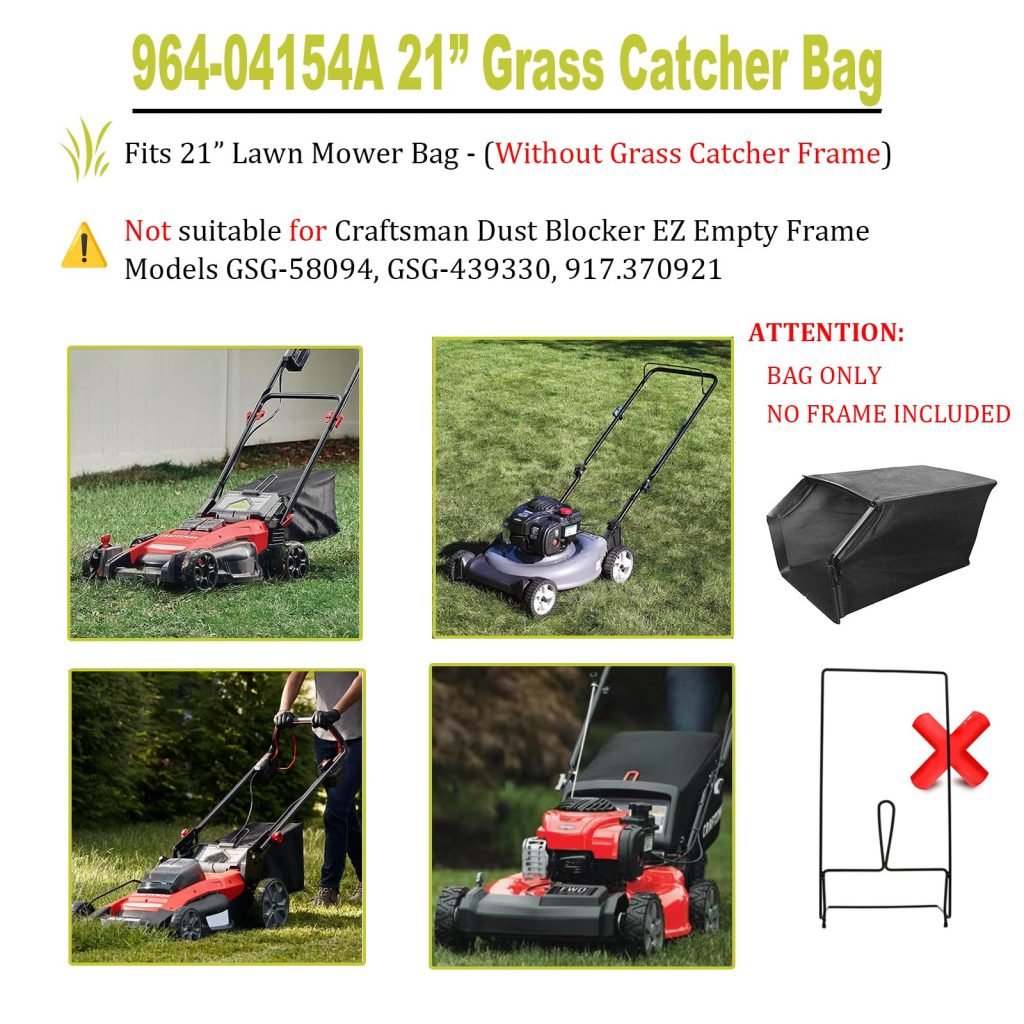
Are you tired of chasing loose grass clippings every time you mow your lawn? Installing a lawn mower grass catcher can save you time and keep your yard looking neat and clean.
But if you’re unsure how to set it up, don’t worry—you’re in the right place. In this guide, you’ll learn simple, step-by-step instructions to install your grass catcher quickly and correctly. By the end, you’ll be ready to enjoy a tidier lawn without the extra hassle.
Let’s get started!

Credit: www.amazon.com
Choosing The Right Grass Catcher
Choosing the right grass catcher helps keep your lawn clean and neat. There are three main types:
- Bag Catchers:Attach to the mower and collect clippings.
- Hard Box Catchers:Durable and easy to empty.
- Mulching Catchers:Chop grass finely and collect it.
Check the compatibilityof the grass catcher with your mower model. Not all catchers fit all mowers. Look for the model number or brand to match them.
Materialmatters for durability. Heavy-duty fabric or hard plastic catchers last longer. Choose one that can handle wet or thick grass without tearing or breaking.
Preparing Your lawn mower
Always wear glovesand eye protectionbefore starting. Make sure the mower is offand the spark plug wire is disconnected. This prevents accidental starts and keeps you safe. Check the mower’s manual for any specific safety tips.
Remove any grass, dirt, or debris from under the mower deck. Use a brush or cloth to clean hard-to-reach areas. A clean deck helps the catcher attach properly and improves mower performance.
- Socket wrench or screwdriver (check the catcher kit)
- Work gloves
- Cleaning brush or cloth
- Flashlight (optional for better visibility)
- Owner’s manual for reference
Step-by-step Installation Process
Remove any old attachments from the mower. This clears space for the grass catcher.
Attach the frame to the mower’s back area. Make sure it fits tightly and doesn’t move.
Place the grass catcher bag onto the frame. Secure it using the provided clips or straps.
Check the fit by gently shaking the bag. It should stay firm without wobbling or falling.
Testing The Grass Catcher
After installing the grass catcher, test it by mowing a small patch. Check if grass clippings collect properly without clogging. Adjust the catcher’s position for a secure fit and smooth operation.
Starting The Mower
Ensure the mower is on a flat surface. Hold the handle firmly. Pull the starter rope gently. Make sure the engine starts smoothly. Keep a safe distance from the blades.Observing Grass Collection
Check if the grass catcher is attached correctly. As you mow, watch the catcher. Make sure it collects grass well. If grass spills, stop the mower. Reattach the catcher securely.Adjusting For Optimal Performance
Look at the collection bag. Is it filling evenly? If not, adjust the mower’s speed. Too fast may leave grass clippings. Too slow can cause clogging. Balance is key. Make small adjustments until performance improves. `Maintenance Tips
Emptying the grass catcheroften keeps the mower working well. Check the catcher after every use. Avoid letting grass build up inside. This helps stop clogs and keeps the mower light.
Cleaning and dryingthe catcher is important. Remove all grass clippings. Wash it with water to clear dirt and dust. Let it dry fully before storing. Wet catcher parts can cause mold and smell bad.
Storage recommendationsprotect the catcher from damage. Store it in a dry, cool place. Keep it away from direct sunlight and moisture. This helps the catcher last longer and work better next time.

Credit: www.amazon.com
Troubleshooting Common Issues
Grass catcher not fitting properlycan cause grass to spill out. Check if the catcher is aligned with the mower’s hooks. Sometimes, dirt or debris blocks the latch. Clean these areas for a better fit. Using the wrong model catcher also causes fitting issues.
Clogging problemshappen when wet or long grass clumps inside the catcher. Empty the catcher often to avoid build-up. Use a rake or stick to clear blockages. Grass dries faster when cut in the morning or late afternoon, reducing clogging.
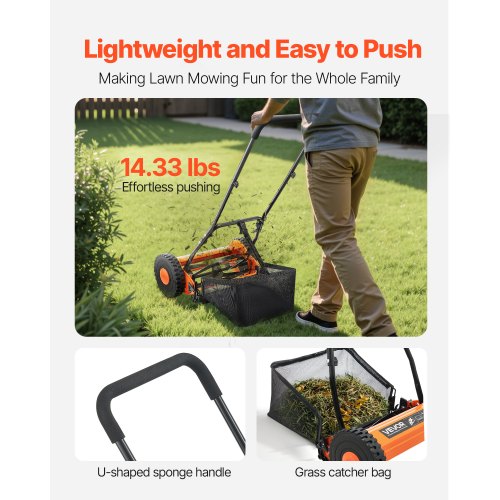
Signs of wear and tearinclude holes, loose stitching, or torn mesh. These reduce the catcher’s efficiency. Regularly inspect the catcher for damage. Replace worn parts or the entire catcher if needed to keep the mower working well.
Credit: www.vevor.com
Frequently Asked Questions
How Do I Attach A Grass Catcher To My Lawn Mower?
To attach a grass catcher, first turn off the mower. Then, hook the catcher frame onto the mower’s rear discharge. Secure it firmly, ensuring the catcher aligns with the discharge chute for efficient grass collection.
What Tools Are Needed To Install A Grass Catcher?
Most grass catchers require no special tools. Some models may need a screwdriver or wrench to tighten clamps or bolts. Always check your mower and catcher manual for specific tool requirements before installation.
Can Any Lawn Mower Use A Grass Catcher?
Not all mowers fit grass catchers. Check your mower’s model and compatibility before buying a catcher. Most riding mowers and many push mowers have specific catcher designs tailored for them.
How To Maintain A lawn mower grass Catcher?
Empty the catcher regularly to avoid clogs. Clean the mesh or fabric to prevent grass buildup. Check for tears or damage and repair or replace the catcher as needed for optimal performance.
Conclusion
Installing a lawn mower grass catcher is simple and quick. Follow the steps carefully for the best fit. A properly attached catcher keeps your yard clean and saves time. Check the catcher regularly for any damage or blockages. Use your mower safely and enjoy a tidier lawn.
Small efforts bring big results in lawn care. Now, your mower is ready for easy grass collection. Keep your lawn neat without extra work.





