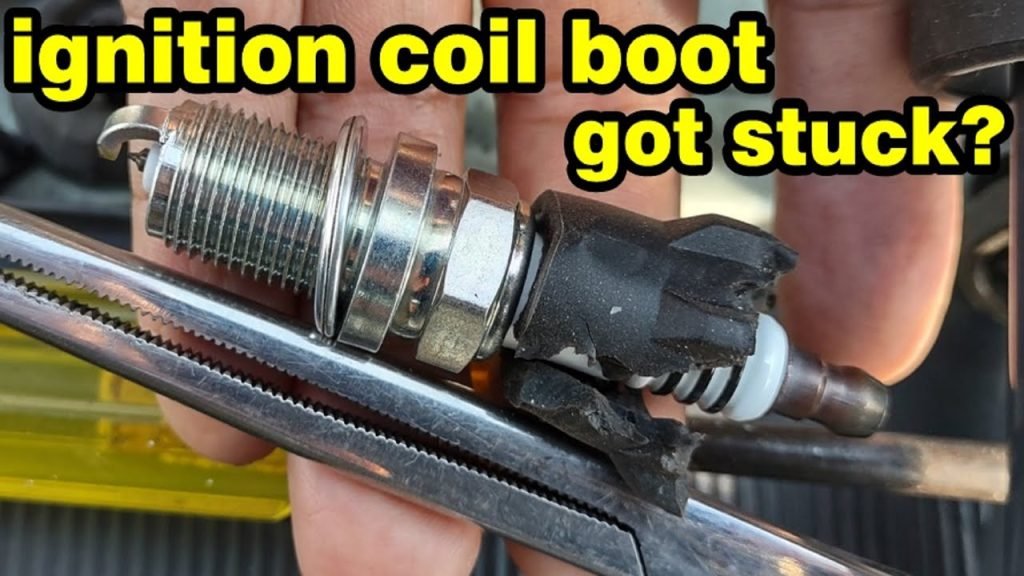
Struggling with stuck spark plugs can be incredibly frustrating, especially when you’re in the middle of routine maintenance or repairs. You might feel that your car has turned against you, but don’t worry—you’re not alone.
This common automotive issue can happen to anyone, and the good news is that you can tackle it with confidence. Imagine the relief and satisfaction you’ll feel once those stubborn plugs are finally out. In this guide, you’ll discover practical tips and tricks to safely and effectively remove stuck spark plugs, saving both your time and money.
Let’s dive into the steps that will empower you to conquer this challenge and get your car running smoothly again.
Signs Of Stuck Spark Plugs
Stuck spark plugs can cause many car problems. Recognizing the signs early helps fix the issue quickly. This section covers common symptoms that show spark plugs may be stuck.
Engine Misfires And Rough Idling
The engine may misfire or run roughly at idle. This happens because stuck spark plugs fail to ignite fuel properly. You might feel vibrations or hear unusual sounds from the engine.
Difficulty Starting The Engine
Your car may take longer to start or fail to start. Stuck spark plugs cause weak or no spark. This disrupts the combustion process needed to start the engine smoothly.
Reduced Fuel Efficiency
Fuel consumption may increase noticeably. Stuck spark plugs prevent efficient burning of fuel. Your car uses more gas to maintain normal power, lowering miles per gallon.
Poor Acceleration And Power Loss
The vehicle may struggle to accelerate or feel less powerful. Stuck spark plugs limit engine performance. This results in slower response and weaker power output.
Visible Damage Or Corrosion On Spark Plugs
Inspect the spark plugs for visible signs of damage. Rust, corrosion, or deposits can cause them to stick. This physical evidence confirms the need for removal and replacement.

Credit: www.reddit.com
Tools Needed For Removal
Removing stuck spark plugs requires the right tools to avoid damage and save time. Using proper equipment makes the task easier and safer. Below is a list of essential tools needed for removing stuck spark plugs effectively.
Spark Plug Socket
A spark plug socket fits snugly around the plug. It has a rubber insert to grip the plug securely. This tool prevents slipping and breaking the plug inside the engine.
Ratchet Wrench
A ratchet wrench provides the torque needed to loosen tight plugs. It allows smooth turning in tight spaces. Choose a wrench that fits the spark plug socket size.
Extension Bar
An extension bar adds reach when plugs are deep in the engine. It helps apply steady force without straining your hands. Extensions come in different lengths to suit various engines.
Penetrating Oil
Penetrating oil loosens rust and corrosion around the spark plug threads. Spray it on and wait a few minutes before removal. This reduces the risk of breaking the plug.
Breaker Bar
A breaker bar offers extra leverage for very tight or stuck plugs. It is stronger than a ratchet wrench and helps avoid sudden movements. Use it carefully to prevent damage.
Torque Wrench
A torque wrench ensures the spark plug is reinstalled with the correct tightness. Proper torque avoids engine damage and ensures good performance. It measures the turning force precisely.
Spark Plug Gap Tool
A spark plug gap tool checks and adjusts the gap before installation. Correct gap improves engine efficiency and fuel economy. It is a small, simple gauge or feeler tool.
Preparing The Engine
Before you attempt to remove stuck spark plugs, getting the engine ready is crucial. This step can save you time and prevent damage to your engine components. A well-prepared engine makes the extraction process smoother and reduces frustration.
Cool Down The Engine
Never try to remove spark plugs from a hot engine. The metal parts expand when heated, which can make the plugs even harder to loosen. Let your engine cool down completely—this usually takes at least 30 minutes after driving.
Clean The Area Around The Spark Plugs
Dirt and debris around the spark plug can fall into the cylinder when you remove the plug, causing engine problems. Use a soft brush or compressed air to clean the area thoroughly. This small step protects your engine from costly damage.
Gather The Right Tools
Having the correct tools is key to avoiding stripped or broken spark plugs. You’ll need a spark plug socket, a ratchet, and possibly an extension bar. Consider adding a torque wrench to your toolkit for reinstallation to ensure proper tightening.
Apply Penetrating Oil
If the spark plugs have been in place for a long time, they might be rusted or seized. Spray some penetrating oil around the base of each plug. Let it sit for at least 10-15 minutes to loosen the rust and make turning easier.
Disconnect The Battery
Safety first: disconnect your car battery before working on the engine. This prevents accidental electrical shorts and protects you from shocks. It’s a quick step that can prevent serious injury or damage.
Applying Penetrating Oil
Applying penetrating oil is a key step to loosen stuck spark plugs. This oil seeps into tight spaces and breaks rust and grime. It makes removing spark plugs easier and reduces the risk of damage.
Penetrating oil works by softening rust and corrosion around the spark plug threads. It also lubricates the metal parts, helping the plug turn smoothly. Using the right oil and giving it time to work is important.
Choosing The Right Penetrating Oil
Select an oil designed to penetrate rust and corrosion. Look for products labeled as penetrating or rust remover oils. Avoid heavy oils, as they don’t seep into small gaps well.
How To Apply Penetrating Oil To Stuck Spark Plugs
- Clean the area around the spark plug with a brush or cloth.
- Spray or drip the penetrating oil directly onto the spark plug threads.
- Allow the oil to soak in for at least 10 to 15 minutes.
- For stubborn plugs, repeat the application and wait longer, even overnight.
Precautions While Using Penetrating Oil
- Wear gloves to protect your skin from chemicals.
- Use the oil in a well-ventilated area to avoid fumes.
- Do not apply excessive amounts; a small amount is enough.
- Keep oil away from hot engine parts to prevent fire risks.
Using The Right Socket And Ratchet
Using the right socket and ratchet is essential when dealing with stuck spark plugs. These tools provide the grip and leverage you need to loosen tight plugs without causing damage. Choosing the correct size and type can save you time and frustration during the removal process.
Choosing The Correct Socket Size
Always select a spark plug socket that matches the size of your spark plug’s hex. Most spark plugs require a 5/8-inch or 13/16-inch socket. Using the wrong size can strip the plug or damage the threads, making removal harder.
Look for sockets with a rubber insert or a magnetic feature. These hold the plug securely, preventing it from falling once loosened. Have you ever dropped a spark plug into a hard-to-reach spot? Using the right socket minimizes that risk.
Using A Ratchet With The Proper Drive Size
Pair your socket with a ratchet that fits its drive size—commonly 3/8-inch for spark plugs. A ratchet with a comfortable grip and smooth operation helps you apply steady torque. Avoid using a wrench or pliers, as they don’t provide the control needed for delicate spark plugs.
Consider a ratchet with a quick-release button. This feature speeds up socket changes and keeps you focused on the task. How much easier would your spark plug removal be with a ratchet made for this job?
Adding Extensions For Better Reach
Sometimes spark plugs sit deep inside the engine, making access tricky. Extensions give you the extra length needed to reach without forcing the ratchet or socket. Using an extension also helps maintain the right angle for loosening stubborn plugs.
Choose a sturdy extension to avoid bending or snapping under pressure. Have you checked if your toolkit has the right extension length before starting? It can make all the difference in getting that plug out smoothly.

Credit: www.reddit.com
Techniques To Loosen The Plug
Removing a stuck spark plug can be tough. It needs patience and the right technique to avoid damage. Using proper methods helps loosen the plug safely. This section explains key ways to free a stuck spark plug.
Gentle Rocking Motion
Start by turning the spark plug back and forth gently. This motion helps break the rust or grime holding it tight. Avoid using too much force to prevent thread damage.
Use a spark plug socket with a ratchet for better control. Move slowly and steadily, giving the metal time to relax. Sometimes small movements over several minutes do the trick.
Heat Application
Applying heat can expand the metal and loosen the spark plug. Use a heat gun or propane torch carefully around the area.
Heat the cylinder head, not the spark plug itself. Let the heat work for a few minutes, then try loosening again. Be cautious to avoid overheating or damaging parts.
Using Impact Tools
Impact tools deliver quick, strong bursts to loosen stuck plugs. An impact wrench or impact driver works well for this.
These tools apply force without continuous turning, reducing risk of stripping threads. Use low torque settings to start and increase if needed. Always wear safety glasses during use.
Avoiding Common Mistakes
Removing stuck spark plugs can be frustrating, especially if you make common mistakes that make the job harder or cause damage. Avoiding these errors saves time, effort, and money. Let’s look at some key pitfalls and how you can steer clear of them to get your spark plugs out smoothly.
Using Excessive Force
It’s tempting to crank the wrench harder when a spark plug won’t budge. But pushing too hard can break the plug or damage the threads in the cylinder head. Instead, apply steady, controlled pressure and try penetrating oil to loosen the plug gently.
Have you ever snapped a spark plug because you rushed? Taking your time pays off.
Skipping Penetrating Oil
Many skip this simple step and regret it later. Spraying penetrating oil and letting it soak for at least 15-20 minutes helps break down rust and carbon buildup. This makes the spark plug easier to turn without forcing it.
Remember, patience here reduces the risk of costly repairs.
Not Using The Right Tools
Using the wrong socket or a worn-out wrench can strip the spark plug’s hex or damage the plug. Always use a spark plug socket with a rubber insert that grips the plug firmly. A torque wrench is also helpful to avoid overtightening on reinstallation.
Ignoring Proper Spark Plug Gap And Torque
After removal, don’t overlook checking the spark plug gap and tightening the new plug to the correct torque. Too tight, and you risk thread damage; too loose, and you can get poor engine performance or leaks.
Do you know your vehicle’s recommended torque specs? They’re often in the owner’s manual or online forums.
Forgetting To Clean Around The Spark Plug
Before removal, clean the area around the spark plug to prevent dirt from falling into the cylinder. Even a small speck of debris can cause serious engine issues. Use compressed air or a soft brush for the best results.
Neglecting Safety Precautions
Working on an engine can be risky if you skip safety steps. Always disconnect the battery to avoid electrical shocks and work in a well-ventilated area. Wearing gloves and safety glasses protects your hands and eyes from injury.
Cleaning And Inspecting The Threads
Cleaning and inspecting the threads of stuck spark plugs is a crucial step that many overlook. The threads are where your spark plug connects securely with the engine, so any dirt, rust, or damage can cause serious problems when reinstalling or replacing the plug.
Before you try to put a new spark plug in, take a close look at the threads. Are they clean and free of debris? Are there any signs of cross-threading or damage? Identifying these issues early can save you from stripping the threads or damaging the cylinder head, which can be costly to fix.
Removing Dirt And Debris
Use a wire brush or a thread chaser to gently clean the threads. These tools remove carbon buildup, dirt, and rust without damaging the metal. Avoid using excessive force, as this can worsen the condition of the threads.
If you don’t have a thread chaser, a tap of the correct size can help realign threads, but be very careful not to go too deep or apply too much pressure.
Checking For Thread Damage
After cleaning, inspect the threads closely for any signs of stripping or deformation. Damaged threads can make it difficult to tighten the spark plug properly, leading to leaks or poor engine performance.
Try threading the spark plug in by hand first. If it feels rough or tight, that’s a red flag. You may need professional help to repair the threads or use a thread repair kit to avoid bigger engine issues.
Using Anti-seize Compound Correctly
Many people wonder if they should apply anti-seize on the spark plug threads. The answer depends on your vehicle’s specifications, but if you do use it, apply a very thin layer.
Too much anti-seize can cause the spark plug to over-tighten, damaging the threads. Remember, a clean, well-inspected thread is the best foundation for a secure and lasting spark plug installation.
Installing New Spark Plugs
Installing new spark plugs is a key part of maintaining your vehicle’s engine. Good spark plugs help the engine run smoothly and improve fuel efficiency. Before installation, ensure the engine is cool to avoid burns and damage.
Use the correct spark plug type recommended for your car. Check the gap size and adjust if needed. Proper gap ensures the spark ignites the fuel-air mix efficiently.
Preparing The Spark Plugs
Inspect the new spark plugs before installation. Remove any dirt or oil from the threads. Apply a small amount of anti-seize compound to the threads to prevent future sticking.
Inserting The Spark Plugs
Carefully thread the spark plug into the cylinder head by hand. Avoid cross-threading which can damage the threads. Tighten the spark plug with a torque wrench to the manufacturer’s specifications.
Reconnecting The Ignition Components
Attach the spark plug wires or coil packs firmly. Ensure the connections are secure to prevent misfires. Double-check all connections before starting the engine.

Credit: www.odyclub.com
Frequently Asked Questions
How Do I Safely Remove Stuck Spark Plugs?
To safely remove stuck spark plugs, apply penetrating oil and let it sit for 15 minutes. Use a proper spark plug socket and turn slowly. Avoid excessive force to prevent thread damage.
What Tools Are Needed To Extract Stuck Spark Plugs?
You need a spark plug socket, ratchet wrench, penetrating oil, and possibly a breaker bar. A torque wrench helps when reinstalling to avoid overtightening.
Can Heat Help Loosen Stuck Spark Plugs?
Yes, applying moderate heat with a heat gun can expand the metal and loosen stuck plugs. Avoid open flames to prevent damage or fire hazards.
Why Do Spark Plugs Get Stuck In The Cylinder Head?
Spark plugs get stuck due to corrosion, carbon buildup, or overtightening during installation. Moisture and age also cause threads to seize.
Conclusion
Stuck spark plugs can cause engine problems and need quick action. Use the right tools and gentle force to avoid damage. Applying lubricant helps loosen tight spark plugs easily. Take your time and stay patient during the process. If you face difficulty, ask a mechanic for advice.
Regular maintenance prevents spark plugs from getting stuck again. Keep your engine running smooth with these simple steps. Now you can handle stuck spark plugs with confidence.





