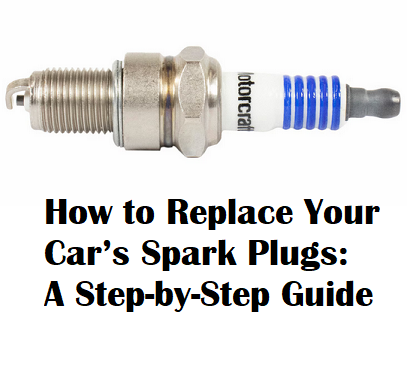
Do you ever find yourself staring at your car’s engine, dreading the daunting task of removing a stubborn spark plug? You’re not alone.
Many car owners face this challenge, and it can often feel overwhelming. But what if I told you there’s a simple, stress-free way to tackle this problem? Imagine the satisfaction of popping that spark plug out with ease, knowing that you’ve just saved yourself time and money.
In this guide, we’ll walk you through each step, ensuring you have the confidence and know-how to get that spark plug out in no time. Ready to dive in and discover the secrets? Let’s get started!
Tools Needed
Having the right tools makes removing a spark plug easier and safer. Prepare tools that fit your vehicle and the task. Using proper equipment prevents damage and saves time.
Basic Tools
- Spark plug socket: Fits snugly over the plug for easy turning.
- Ratchet wrench: Provides leverage to loosen or tighten the plug.
- Extension bar: Reaches deep spark plugs in tight engine spaces.
- Torque wrench: Ensures correct tightness when reinstalling the plug.
- Dielectric grease: Protects spark plug boots and makes removal easier.
Specialized Equipment
- Magnetic spark plug socket: Holds the plug securely during removal.
- Compressed air or air blower: Clears dirt around the plug before removal.
- Spark plug gap tool: Checks and adjusts the gap for optimal performance.
- Anti-seize compound: Prevents the plug from sticking in the engine.
- Inspection mirror: Helps see hard-to-reach spark plugs clearly.

Credit: www.reddit.com
Safety Precautions
Removing spark plugs can be risky without the right safety steps. Taking precautions prevents injuries and protects your vehicle. Always prepare carefully before starting the task.
Protective Gear
- Wear safety glasses to shield your eyes from debris.
- Use gloves to protect your hands from sharp parts and heat.
- Choose long sleeves to prevent skin scratches and burns.
- Wear closed-toe shoes to guard your feet against dropped tools.
Engine Cooling Tips
- Let the engine cool completely before touching spark plugs.
- Wait at least 30 minutes after turning off the engine.
- Check the engine surface temperature carefully before starting.
- Work in a well-ventilated area to avoid inhaling fumes.
Preparation Steps
Getting your spark plug out starts well before you touch the tool. Preparation is key to avoid damage and make the process smooth. Taking a few moments to prepare can save you time and frustration later on.
Disconnecting The Battery
Safety should be your top priority. Disconnecting the battery cuts off electrical power, preventing shocks or accidental engine starts while you work.
Locate your car’s battery and use a wrench to loosen the negative terminal clamp. Remove it and secure it away from the battery post. This simple step protects both you and your vehicle’s electrical system.
Cleaning The Area Around The Plug
Dirt and debris around the spark plug can fall into the cylinder once the plug is removed. This can cause engine problems later on.
Use a clean cloth or compressed air to remove dust and grime from the spark plug area. If the area is oily, a mild degreaser can help. Taking this extra care prevents contamination and ensures the new plug fits perfectly.

Credit: www.acg.aaa.com
Loosening The Spark Plug
Loosening a spark plug can be tricky, especially if it’s been in place for years. You need to treat it gently but firmly to avoid damaging the threads or breaking the plug. Knowing the right techniques and tools makes the process smoother and safer.
Applying Penetrating Oil
Start by spraying a good amount of penetrating oil onto the spark plug threads. This helps break down rust and buildup that may have stuck the plug in place.
Let the oil sit for at least 10 to 15 minutes to soak in properly. If the plug looks really stuck, consider applying the oil the night before you plan to loosen it.
Have you noticed how a little patience with penetrating oil often saves hours of frustration later? It’s a simple step that can prevent stripped threads and snapped plugs.
Using The Correct Socket
Using the right socket size is crucial. Most spark plugs require a deep, 5/8-inch or 13/16-inch spark plug socket with a rubber insert to grip the plug securely.
A standard socket might slip and damage the plug’s porcelain or metal casing. The rubber insert cushions the plug and prevents it from spinning inside the socket.
Before you start turning, check your socket fits snugly. Have you ever tried loosening a plug with the wrong tool? It’s frustrating and often leads to more repairs.
Removing Stuck Plugs
Removing stuck spark plugs can test your patience and tools. These plugs often seize due to heat, corrosion, or overtightening. Knowing how to gently and effectively free them can save you from damaging your engine or the spark plug itself.
Gentle Tapping Techniques
Before applying strong force, try gently tapping the spark plug with a small hammer or the handle of a screwdriver. This can help break up rust or debris that’s locking the plug in place.
Tap around the plug’s base with light, controlled hits. Avoid heavy blows that could crack the porcelain insulator or damage threads.
Have you ever tried this simple trick and found the plug loosened right away? Many forget that a little vibration can do wonders.
Using Heat To Loosen
Heat expands metal, which can help break the bond holding the spark plug tight. Use a heat gun or a propane torch carefully to warm the area around the plug.
Heat the metal for a minute or two, then try loosening the plug again with your wrench. Remember, don’t overheat plastic or rubber components nearby to avoid damage.
Applying heat can feel risky, but controlled warmth often saves you from stripping threads or breaking plugs. What’s your experience with using heat on stuck bolts or plugs?

Credit: www.bmwlt.com
Handling Common Problems
Removing a spark plug can sometimes lead to tricky problems. These issues can slow you down or cause damage if not handled well. Knowing how to tackle common problems makes the job easier and safer. Below are solutions to two frequent challenges: cross-threading and broken plugs.
Dealing With Cross-threading
Cross-threading happens when the spark plug screws in unevenly. It can damage the threads in the cylinder head. To avoid this, always start threading by hand. Turn the plug slowly and feel for resistance. If it feels tight too soon, back out and try again.
If cross-threading occurs, do not force the spark plug. Use a thread chaser tool to clean and realign the threads. This tool helps restore the damaged area. Apply some anti-seize lubricant before reinstalling the plug. This prevents future cross-threading and eases removal.
Addressing Broken Plugs
Broken spark plugs can be frustrating to remove. The tip may remain stuck inside the engine. Start by spraying penetrating oil around the broken plug. Let it sit for 10 to 15 minutes to loosen rust and debris.
Use a spark plug extractor socket or a special removal tool. Tap gently with a hammer if needed. Avoid using excessive force to prevent further damage. If the plug is deeply stuck, professional help may be necessary. Patience and care are key to removing broken plugs safely.
Reinstalling Spark Plugs
Reinstalling spark plugs correctly is just as important as removing them safely. A poorly reinstalled spark plug can lead to engine misfires, poor fuel economy, or even damage to the engine. Paying attention to details like the gap size and how tightly you tighten the plug can save you from costly repairs down the road.
Checking Gap Size
The gap between the spark plug’s electrodes affects how well your engine ignites the fuel-air mixture. If the gap is too wide or too narrow, your engine might run rough or lose power.
Use a spark plug gap tool to measure the space. You can easily adjust the gap by gently bending the ground electrode until it matches the manufacturer’s recommended size. Don’t guess—small differences in gap size can have big effects on performance.
Proper Torque Application
Over-tightening a spark plug can crack the ceramic insulator or strip the threads in the cylinder head. Under-tightening can cause poor sealing and lead to compression loss or leaks.
Use a torque wrench to apply the exact amount of torque specified for your spark plugs. If you don’t have a torque wrench, tighten the plug by hand until it’s snug, then give it an extra quarter turn. Too loose or too tight—have you ever wondered how that little twist can make such a big difference?
Maintenance Tips
Proper maintenance keeps spark plugs working well and easy to remove. Small habits prevent damage and save money on repairs. Follow these tips for smooth spark plug care.
Regular Inspection
Check spark plugs every 10,000 miles or as your car manual says. Look for:
- Signs of wear or damage
- Carbon buildup or oil deposits
- Cracks in the ceramic part
- Corrosion on the metal threads
Clean any dirt gently with a wire brush. Replace plugs if they look worn or damaged.
Preventing Future Stuck Plugs
Apply a small amount of anti-seize compound on the spark plug threads before installation. This stops rust and keeps plugs from sticking.
Do not over-tighten plugs. Use a torque wrench to match the manufacturer’s specs. Over-tightening can cause damage and make plugs hard to remove.
Change spark plugs on schedule. Old plugs corrode and seize in the cylinder head.
Frequently Asked Questions
How Do I Safely Remove A Spark Plug?
First, disconnect the battery to avoid shocks. Use a spark plug socket and ratchet for removal. Turn counterclockwise gently to avoid damage. Clean around the plug before removal to prevent debris from falling in.
What Tools Are Needed To Get A Spark Plug Out?
You need a spark plug socket, ratchet, and extension bar. A torque wrench helps when reinstalling. Optionally, use a spark plug gap tool and anti-seize lubricant for maintenance.
How To Loosen A Stuck Spark Plug?
Apply penetrating oil and let it sit for 10-15 minutes. Use a breaker bar for extra leverage. Turn slowly to avoid breaking the plug or damaging the threads.
Can I Remove A Spark Plug Without A Socket?
It’s not recommended as it risks damage. A proper spark plug socket ensures a secure grip and prevents rounding off the plug. Use the correct tools for safety and efficiency.
Conclusion
Removing a spark plug can seem tough at first. Take your time and use the right tools. Remember to keep the area clean and work carefully. Avoid forcing the plug to prevent damage. With patience, you will succeed in removing it safely.
Practice makes the task easier each time. Now, you can maintain your engine better and save money on repairs. Simple steps lead to great results. Give it a try and see the difference yourself.





