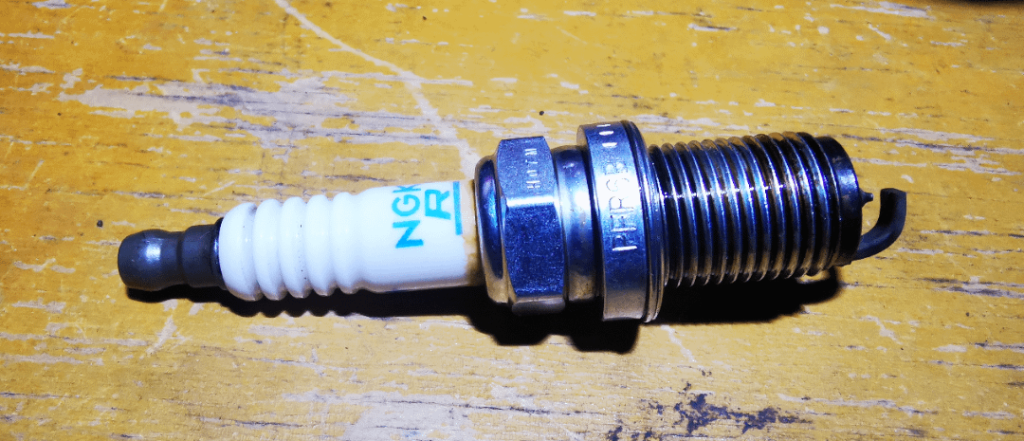
Are you noticing oil in your spark plug well? It might seem like a small issue, but it can lead to bigger problems if left unchecked.
A little oil can disrupt your engine’s performance, leading to misfires, reduced efficiency, and even damage. You don’t want that, right? Understanding how to effectively remove oil from the spark plug well is crucial for maintaining your vehicle’s health and ensuring a smooth ride.
In this guide, you’ll discover simple steps to tackle this problem. Stick around to learn how you can save time, money, and avoid unnecessary stress by keeping your engine in top shape. Let’s dive into the details so you can get back on the road with confidence.
Causes Of Oil In Spark Plug Well
Oil in the spark plug well can cause engine problems and misfires. It often indicates a leak or damage in engine components. Understanding the causes helps to find the right fix quickly.
Worn Valve Cover Gasket
The valve cover gasket seals the valve cover to the engine head. Over time, heat and pressure can wear it out. A worn gasket allows oil to leak into the spark plug well. This is a common cause of oil contamination.
Damaged Spark Plug Tube Seal
Spark plug tube seals prevent oil from entering the spark plug wells. Damage or wear to these seals allows oil to seep in. This can happen due to age or poor installation. Replacing the seals often stops the leak.
Cracked Valve Cover
A cracked valve cover can let oil escape and reach the spark plug wells. Cracks may form from engine heat or physical damage. Even small cracks cause oil to leak. Inspecting the valve cover is important in this case.
Other Potential Leaks
Oil leaks can also come from nearby engine parts. Loose bolts, damaged gaskets, or worn seals in other areas may cause oil to pool in the spark plug well. Checking all surrounding parts helps find hidden leaks.

Credit: www.e46fanatics.com
Tools And Materials Needed
Getting oil out of a spark plug well requires the right tools and materials to do the job safely and effectively. Having everything ready before you start saves you time and reduces frustration. Let’s go over what you’ll need so you can tackle the task with confidence.
Basic Hand Tools
- Socket wrench set:A ratchet with the correct spark plug socket size is essential to remove the spark plugs without damaging them.
- Extension bar:Helps reach deep spark plug wells easily, especially in tight engine compartments.
- Screwdrivers:Both flathead and Phillips for removing any covers or clips around the spark plug wells.
- Pliers:Useful for gripping and pulling out stubborn parts or wires carefully.
Imagine trying to get a spark plug out without the right socket—it’s like trying to open a locked door without the key. Having these basic tools makes the job smoother and prevents accidental damage.
Cleaning Supplies
- Shop towels or rags:For wiping away oil and dirt around the spark plug well.
- Brake cleaner or carburetor cleaner:These sprays dissolve oil and grime quickly.
- Compressed air:Blows out loose dirt and debris before cleaning, preventing anything from falling into the cylinder.
- Small brushes:Nylon or brass brushes help scrub off stubborn oil residues.
Have you noticed how oil can hide in tiny crevices? Using compressed air before wiping can make a surprising difference, keeping dirt from causing bigger problems inside your engine.
Replacement Parts
- New spark plugs:Oil contamination often damages spark plugs, so having replacements ready is smart.
- Spark plug well gaskets or seals:These prevent oil from leaking back into the well after cleaning.
- Anti-seize compound:Applying this to spark plug threads helps prevent them from sticking in the future.
Skipping new gaskets or neglecting to replace worn parts can cause oil to return and create the same problem again. Investing a little time now saves headaches later.
Step-by-step Cleaning Process
Removing oil from a spark plug well is important to keep your engine running smoothly. This step-by-step cleaning process helps you clear oil safely and prevent engine issues. Follow the steps carefully to avoid damage.
Remove Engine Components
Start by disconnecting the battery to avoid electric shocks. Remove any covers or parts blocking access to the spark plug wells. Use the right tools to avoid breaking bolts or plastic parts.
Extract Spark Plugs
Use a spark plug socket and ratchet to carefully loosen and remove the spark plugs. Keep them in a safe place. Avoid dropping or damaging the plugs during removal.
Clean Oil From Wells
Use a clean, absorbent cloth or paper towel to soak up oil inside the wells. A small vacuum or a syringe can help remove hard-to-reach oil. Avoid pushing oil deeper into the engine.
Inspect Spark Plugs
Check the spark plugs for oil residue, damage, or wear. Clean them gently with a wire brush if needed. Replace plugs if they show signs of heavy wear or oil fouling.
Fixing The Leak
Fixing the leak that causes oil to pool in your spark plug well is crucial for maintaining your engine’s performance and preventing further damage. Ignoring this issue can lead to misfires, poor fuel efficiency, and costly repairs. Identifying and repairing the source of the leak quickly will save you time and money in the long run.
Replacing Valve Cover Gasket
The valve cover gasket often causes oil leaks around the spark plug wells. Over time, this gasket can become brittle or cracked, allowing oil to seep through. Replacing it is a straightforward fix that seals the area tightly and prevents future leaks.
Make sure to clean the surface before installing the new gasket. Tighten the valve cover bolts evenly to avoid warping. This simple change restored my car’s performance after a persistent oil leak.
Installing New Spark Plug Tube Seals
Spark plug tube seals are small but essential components that stop oil from dripping into the wells. If these seals wear out or break, oil can easily leak in. Swapping them out requires removing the valve cover and carefully replacing the old seals with new ones.
Choose high-quality seals that fit your engine model. Proper installation ensures a snug fit and long-lasting protection. Have you checked these seals during your last tune-up? It might be the hidden culprit.
Sealing Cracks
Cracks in the valve cover or spark plug wells themselves can also cause oil leaks. These cracks may result from engine heat or physical damage. Applying a high-temperature silicone sealant can temporarily stop the leak if a replacement part isn’t immediately available.
Inspect the area closely under good lighting to spot even the smallest cracks. While sealing is a quick fix, plan to replace the damaged part soon. Would you prefer a quick patch or a permanent solution to keep your engine leak-free?
Preventive Tips
Preventing oil from leaking into the spark plug well saves time and costly repairs. Simple habits and checks keep your engine running smoothly. Early action helps avoid damage to spark plugs and wiring.
Regular Engine Maintenance
Keep the engine clean and check all parts often. Change the oil and filters on schedule. Clean or replace spark plugs regularly. Proper maintenance reduces wear and stops leaks from forming.
Timely Gasket Replacement
Gaskets seal the spark plug wells and engine parts. Old or damaged gaskets allow oil to seep in. Replace gaskets as soon as signs of wear appear. Use quality parts to ensure a tight seal and long life.
Checking For Early Signs
Look for oil stains or moisture around the spark plugs. Notice any rough engine running or misfires. Early detection helps fix small problems before they grow. Check spark plug wells during routine engine inspections.

Credit: www.reddit.com
When To Seek Professional Help
Knowing when to call a professional can save you time, money, and frustration. Oil in the spark plug well is a sign that something deeper might be wrong with your engine. While some fixes are simple, others need expert eyes and tools.
Persistent Oil Leaks
If you’ve cleaned the oil out of the spark plug well but it keeps coming back, it’s a warning sign. Persistent leaks often mean the valve cover gasket or spark plug tube seals are damaged. Trying to fix this without experience can lead to more oil spills and engine damage.
Ask yourself: Have you cleaned the area multiple times only to see oil return? That’s a clear indicator to seek professional help. A mechanic can properly inspect and replace the faulty seals to stop leaks for good.
Complex Engine Issues
Sometimes, oil in the spark plug well isn’t just a leak—it might signal bigger engine problems. Issues like worn piston rings or damaged cylinder walls allow oil to seep where it shouldn’t. These problems need specialized diagnostic tools and skills to fix.
Attempting to handle complex engine repairs without the right knowledge can cause more harm than good. If your engine is misfiring, running rough, or showing warning lights along with oil leaks, it’s time to visit a mechanic. Professionals can run tests to pinpoint the issue and recommend the best solution.
Credit: www.cruzetalk.com
Frequently Asked Questions
How Do I Remove Oil From A Spark Plug Well?
Use a clean rag or paper towel to soak up the oil. Then, spray brake cleaner into the well. Let it dry before reinstalling the spark plug. This prevents misfires and engine issues.
What Causes Oil In Spark Plug Wells?
Oil usually leaks due to a damaged valve cover gasket. It allows oil to seep into the spark plug wells. Timely gasket replacement can prevent this problem and protect your engine.
Can I Drive With Oil In Spark Plug Wells?
Driving is possible but not recommended. Oil can cause misfires and reduce engine efficiency. Fix the leak promptly to avoid costly engine damage and maintain performance.
How Often Should I Check Spark Plug Wells For Oil?
Inspect spark plug wells during regular maintenance, every 30,000 miles or as recommended. Early detection prevents engine problems and costly repairs. Regular checks ensure optimal engine performance.
Conclusion
Removing oil from a spark plug well helps your engine run better. Clean the area carefully to avoid damage. Use simple tools and take your time. Regular checks stop oil buildup early. Keep your engine healthy with small, steady steps.
This way, you avoid bigger problems later. Easy to do and worth the effort. Your car will thank you.





