Are you ready to unlock the secrets of gap adjustments for your spark plugs, all without needing a specialized tool? Imagine saving time and money while boosting your car’s performance.
You don’t need to be an auto expert to make this happen. With just a few simple techniques and items you likely already have at home, you can achieve optimal spark plug gaps. This isn’t just another car maintenance task; it’s a way to ensure your vehicle runs smoothly and efficiently.
Dive into this guide, and discover how you can enhance your engine’s performance effortlessly. Ready to get started? Let’s dive in!
Why Spark Plug Gap Matters
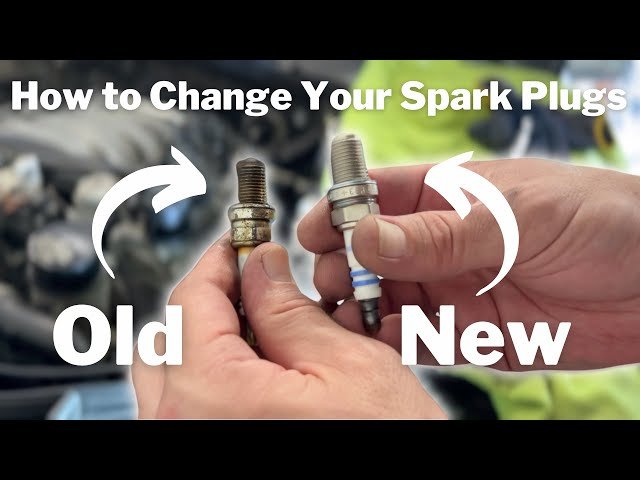
The spark plug gap is the small space between the center and ground electrode. This tiny space controls the spark that ignites the fuel-air mix in the engine. The correct gap ensures the spark is strong and consistent. A wrong gap size can reduce engine efficiency and cause problems.
Impact On Engine Performance
The spark plug gap affects how well the engine runs. A proper gap helps the engine start easily. It also improves fuel burning and power output. A gap that is too wide or too narrow can cause misfires. Misfires lower engine power and increase fuel use. A good gap keeps the engine smooth and responsive.
Signs Of Incorrect Gap
- Hard starting or no start at all
- Engine misfires or runs rough
- Poor fuel economy
- Loss of power during acceleration
- Increased exhaust emissions
These signs may point to a wrong spark plug gap. Checking and adjusting the gap helps avoid these issues.

Credit: www.f150ecoboost.net
Tools You Can Use Instead
Finding the right tool to gap spark plugs can be tricky if you don’t have a specialized gauge on hand. But don’t worry—there are simple household items that can help you achieve the right gap with surprising accuracy. Using everyday objects not only saves you a trip to the store but also gives you a quick, practical way to keep your engine running smoothly.
Using A Coin Or Washer
Coins and washers come in various thicknesses, making them handy for measuring spark plug gaps. You can stack washers or select a coin of known thickness to match the gap specification for your spark plugs.
Start by gently sliding the coin or washer between the electrodes. If it fits snugly without forcing, you’ve got the right gap. This method is quick and surprisingly precise if you know the thickness of your makeshift gauge.
Employing A Thin Piece Of Wire
A thin wire can double as a gap gauge if you know its diameter. Stranded wire from old cables or electronic devices often works well.
Measure the wire’s thickness with a ruler or compare it to the recommended gap size. Bend it carefully and slide it into the spark plug gap. Adjust the gap until the wire fits snugly without bending or breaking.
Using A Paper Clip
Paper clips are flexible and easy to shape, making them a surprisingly useful tool for gapping spark plugs. Straighten out a paper clip and use it like a wire gauge to measure the gap.
By folding or trimming the paper clip, you can fine-tune the size to match your spark plug’s requirements. This approach requires patience but can give you a precise gap in a pinch.
Preparing The Spark Plug
Preparing the spark plug properly is crucial before you attempt to gap it without a specialized tool. Taking the time to clean and inspect the spark plug ensures accurate gapping and extends the life of the plug. If you skip this step, you might end up with a faulty spark or even damage your engine.
Cleaning The Electrodes
First, check the electrodes for any dirt, grease, or carbon buildup. Use a clean rag or an old toothbrush to gently scrub the metal parts. Avoid harsh chemicals; a bit of soapy water often does the trick.
If the deposits are stubborn, try dipping the electrodes briefly in a mix of baking soda and water. This can help break down grime without harming the metal. Dry the spark plug completely before moving on.
Inspecting For Damage
Look closely at the electrodes and the ceramic insulator for cracks, chips, or excessive wear. Even a small crack in the insulator can cause misfires and poor engine performance.
Check if the electrodes are bent or eroded. If you notice any serious damage, gapping won’t fix the issue—you’ll need a replacement. Have you ever tried to gap a spark plug only to find it was already too damaged to use?
Credit: www.bmwlt.com
Measuring The Gap Without A Tool
Measuring the gap on a spark plug usually needs a special tool. Without it, you can still get a close estimate. This helps keep your engine running well. Careful measurement avoids problems like misfires or poor fuel economy.
Using simple items around you, it is possible to check the gap size. This section shows easy ways to do this without a tool. The focus is on accuracy and safety.
Using A Paper Strip As A Gauge
Take a thin strip of paper, like from a notebook. Cut a small piece about 2 inches long and 1/8 inch wide. Fold it carefully to match the spark plug gap size you want.
Slide the folded paper between the electrodes on the spark plug. It should fit snugly, not too tight or loose. Adjust the paper fold to match the gap target, usually about 0.03 to 0.05 inches.
If the paper fits well, your gap is close to correct. If it’s too thick or thin, gently bend the electrode to adjust. Repeat the test until the paper fits just right.
Visual Estimation Techniques
Look closely at the spark plug gap under good light. Use a ruler with millimeter marks if available. Estimate the gap by comparing it to the ruler’s smallest lines.
Another way is to compare the gap to a known object. A credit card edge is about 0.03 inches thick. A business card is slightly thicker. Use these as rough guides.
Shine a flashlight to see the gap clearly. Make small adjustments by bending the ground electrode gently. Use your eyes and steady hands for the best result.
Adjusting The Gap Manually
Adjusting the gap on spark plugs without a tool requires a gentle and careful touch. The goal is to set the gap to the correct distance so the spark ignites the fuel properly. This process can be done by hand using simple techniques. It helps to understand the parts of the spark plug involved in the adjustment.
Bending The Ground Electrode
The ground electrode is the small metal arm over the center electrode. It controls the gap size. Use your fingers or a small flat object to bend it slightly. Move it slowly to avoid breaking the electrode. Bending outward increases the gap. Bending inward decreases it. Make small adjustments and check the gap often.
Ensuring Even Spacing
Check that the gap is even along the electrode edges. Uneven gaps can cause weak sparks or misfires. Use a thin object like a business card or a piece of paper to measure the gap roughly. The paper should slide in with slight resistance. Adjust by bending the electrode again until spacing feels uniform and matches the needed gap size.
Testing The Gap Fit
Testing the gap fit is a key part of gapping spark plugs without a tool. The gap must be just right for the spark to ignite the fuel efficiently. A gap too wide or too narrow affects engine performance and fuel use. You can check and adjust the gap carefully using simple household items.
Rechecking With Improvised Gauge
Use a thin, flat object as a makeshift gauge. Items like a piece of paper, a business card, or a thin metal strip work well. Slide the item gently between the spark plug electrodes.
- If it fits snugly but can still move, the gap is close to correct.
- If it is too tight or won’t fit, the gap is too small.
- If it slides too easily or the object falls through, the gap is too wide.
Recheck several times to ensure accuracy. Adjust the gap bit by bit until the fit feels right with your improvised gauge.
Avoiding Over-gapping
Do not widen the gap too much. Over-gapping can cause misfires or weak sparks. It also increases engine strain and fuel consumption. Adjust the gap slowly and check often.
Small changes matter. A slight bend of the electrode with a flat tool can fix the gap. Use gentle pressure to avoid damaging the spark plug.
Tips For Safe And Effective Diy
Working on spark plugs without special tools requires care and attention. Follow simple safety tips to avoid damage and injury. Keep your workspace tidy and organized. Handle spark plugs gently to prevent breaking or bending them. These tips help make DIY spark plug gapping safe and effective.
Working In A Clean Area
Choose a well-lit, flat surface to work on. Remove any dust, dirt, or grease from the area. Lay down a clean cloth or paper towel. This keeps the spark plugs free from contaminants. Avoid working near water or moisture. Clean areas reduce the risk of losing small parts. Clean surroundings help you focus and work faster.
Handling Spark Plugs Carefully
Hold spark plugs by the metal body, not the ceramic tip. Avoid dropping them; they can crack easily. Use gentle pressure when bending the electrode. Check the gap often to prevent over-bending. Keep spark plugs away from children and pets. Store them in a safe, dry place if not in use. Careful handling ensures proper spark plug function and engine performance.

Credit: www.youtube.com
Frequently Asked Questions
How Can I Gap Spark Plugs Without A Gap Tool?
You can use a thin feeler gauge, a small screwdriver, or a folded business card to estimate the gap. Be gentle to avoid damaging the electrode. Measure carefully for the recommended gap size specified by your vehicle’s manufacturer.
What Household Items Help Gap Spark Plugs Accurately?
Items like a feeler gauge, a small flathead screwdriver, or a business card can help. These items allow you to adjust the gap by gently bending the ground electrode. Always check the gap size after adjustment to ensure accuracy.
Is It Safe To Gap Spark Plugs Without A Specialized Tool?
Yes, it’s safe if done carefully. Avoid excessive force that may damage the electrode. Using common items like a business card or screwdriver requires patience and precision to achieve the correct gap size.
Why Is Gapping Spark Plugs Important For Engine Performance?
Proper spark plug gaps ensure efficient ignition and combustion. Incorrect gaps can cause misfires, poor fuel economy, and engine hesitation. Gapping plugs correctly improves overall engine performance and longevity.
Conclusion
Gapping spark plugs without a tool is simple and doable at home. Use a small, flat object like a feeler gauge or a thin metal strip. Check the gap carefully, and adjust it by bending the ground electrode gently. Take your time to avoid damage.
This method saves money and gets the job done fast. With practice, you can keep your engine running smoothly. Try it yourself and see how easy spark plug gapping can be.





