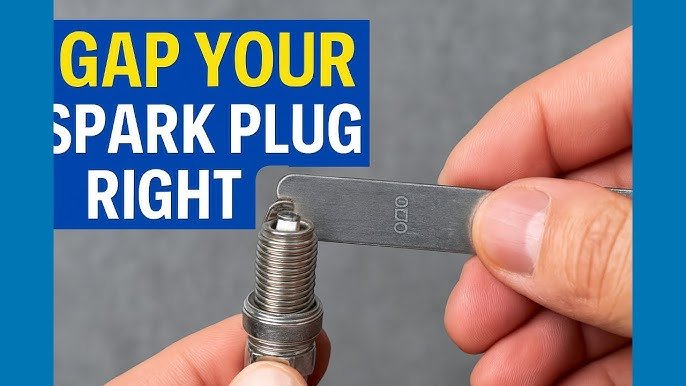
Are you ready to unlock the full potential of your engine? Discovering how to gap iridium spark plugs might just be the secret you’ve been missing.
Perfectly gapped spark plugs are crucial for maximizing engine performance and efficiency. Yet, many overlook this simple yet vital step. Imagine driving with an engine that purrs effortlessly, offering you a smooth ride with improved fuel efficiency. Doesn’t that sound appealing?
In this guide, we’ll walk you through the straightforward process of gapping iridium spark plugs, ensuring you can tackle it with confidence and precision. Stick with us, and by the end of this article, you’ll be equipped with the knowledge to enhance your vehicle’s performance. Let’s dive in!

Credit: www.toyotanation.com
Why Gap Matters
Understanding why the gap on your iridium spark plugs matters can save you from many engine headaches. The gap controls how the spark jumps and ignites the fuel-air mix in the cylinder. If it’s off, even by a tiny amount, your engine won’t run as smoothly or efficiently as it should.
Role Of Spark Plug Gap
The spark plug gap is the distance between the center and ground electrode. This space must be just right to create a strong, consistent spark. Too narrow a gap weakens the spark, while too wide a gap can cause misfires or harder starts.
Think of the gap like a gatekeeper. It controls the spark’s strength and timing, impacting how well your engine burns fuel.
Effects On Engine Performance
A wrong gap can lead to rough idling, reduced power, and lower fuel efficiency. You might notice your car hesitating or stalling during acceleration. This happens because the spark isn’t igniting the fuel properly, wasting fuel and causing emissions.
Adjusting the gap to the recommended size can improve throttle response and save you money at the pump. Have you ever felt your car lag after a tune-up? Check the gap—it’s often the hidden culprit.
Iridium Plug Specifics
Iridium plugs differ from standard ones due to their fine wire center electrode. This design needs a precise gap to perform well. Iridium’s durability means you can run a slightly smaller gap compared to traditional plugs, but it still must match your vehicle’s specs.
Using a gapper tool designed for iridium plugs helps avoid damage to the delicate electrode. Remember, a tiny adjustment can make a big difference in your engine’s spark quality and lifespan.
Tools Needed
Gapping iridium spark plugs accurately is essential for your engine’s performance and fuel efficiency. To get the job done right, you need the proper tools at hand. Without the right equipment, you risk damaging the delicate iridium tip or setting the gap incorrectly, which could lead to misfires or poor combustion.
Gathering the right tools before you start saves time and helps you avoid frustration. Have you ever tried adjusting spark plugs without a proper gauge? It’s tricky, and you might end up guessing. Let’s look at the essential tools you need to get a precise and safe gap.
Gap Gauge Types
Choosing the right gap gauge makes all the difference. There are several types available, each with its own pros and cons:
- Feeler Gauges:Thin metal strips of different thicknesses. You slide them between the electrodes to measure the gap. They provide precise readings but require a careful touch.
- Wire-Type Gap Gauges:Consist of wires with specific diameters. You feel resistance as you slide the wire through the gap, which tells you if the gap is correct. These are simple and popular among mechanics.
- Coin-Style Gauges:Flat, round discs with cutouts of various sizes. You match the cutout to the gap. They’re less precise but easy for quick checks.
Personally, I prefer wire-type gauges for iridium plugs because they minimize the risk of damaging the electrode while still giving an accurate measurement. What type do you think would suit your comfort and accuracy needs?
Additional Equipment
Besides the gauge, a few other tools can make the process smoother and safer:
- Gap Tool or Adjuster:A tool designed to gently bend the ground electrode without scratching the iridium tip. This prevents damage that could affect spark quality.
- Magnifying Glass or Headlamp:Iridium electrodes are tiny and hard to see clearly. Good lighting or magnification helps you see the gap better and avoid errors.
- Clean Cloth or Compressed Air:Before gapping, clean the spark plug to remove any dust or debris that could affect the measurement.
Using the right tools is not just about accuracy; it’s about protecting your investment. Iridium plugs are more expensive than regular ones, so handling them carefully with proper tools saves you money in the long run. Have you considered how much a simple tool upgrade could improve your spark plug maintenance?
Preparing Your Spark Plugs
Preparing your spark plugs is a crucial step before gapping iridium spark plugs. Proper preparation ensures accurate gaps and better engine performance. Clean and inspect each spark plug carefully. This prevents issues and extends the life of your plugs.
Cleaning Tips
Remove dirt and deposits gently. Use a soft brush or compressed air to clean the spark plug. Avoid harsh chemicals that can damage the iridium tip. Wipe the plug with a clean cloth to remove any residue. Keep the electrodes free from grease and oil.
Inspecting For Damage
Check the spark plug for cracks or chips. Look closely at the ceramic insulator and electrode. Bent or broken electrodes affect spark quality. Replace any spark plug showing physical damage. Ensure the threads are clean and undamaged for proper installation.
Measuring The Gap
Measuring the gap on your iridium spark plugs is a crucial step to ensure optimal engine performance. The gap controls how the spark jumps between the electrodes, affecting ignition quality and fuel efficiency. Getting this measurement right can save you from misfires and poor fuel economy down the road.
Using A Gap Gauge
A gap gauge is a simple tool designed to measure the distance between the center and ground electrodes on your spark plug. You can find wire-type, coin-type, or feeler gauge versions, each offering an easy way to check the gap with precision.
Slide the gauge between the electrodes gently. If it’s too tight or too loose, you’ll know the gap needs adjustment. Keep in mind, pushing too hard can damage the delicate iridium tip, so handle the plug carefully.
Have you ever tried adjusting the gap without a proper gauge? It often leads to guesswork and inconsistent results. Using the right tool means you’re working with exact measurements, not estimations.
Checking Manufacturer Specs
Every vehicle or spark plug manufacturer provides specific gap measurements for their plugs. These specs are usually found in your vehicle’s owner manual or on the packaging of the spark plugs themselves.
Make sure to cross-check these numbers before making any adjustments. A gap that’s too wide or too narrow can cause engine knocking or weak sparks, affecting your car’s performance.
Why guess the ideal gap when the exact specs are readily available? Following the manufacturer’s recommendations ensures your spark plugs operate exactly as intended, giving you smoother starts and better fuel economy.
Adjusting The Gap
Adjusting the gap on iridium spark plugs is a delicate process that can significantly impact your engine’s performance. The gap needs to be precise to ensure efficient combustion and avoid misfires. You’ll need to handle the spark plugs carefully while making tiny adjustments to the gap.
Bending The Ground Electrode
The ground electrode is the small metal arm that extends over the center electrode. To adjust the gap, you gently bend this arm closer or further away from the center electrode. Use a spark plug gap tool or a feeler gauge to measure the gap accurately before and after bending.
Apply slow and steady pressure when bending. If you push too hard, the electrode may snap or bend unevenly. A small, controlled movement is all it takes to create the perfect gap.
Avoiding Damage
Iridium spark plugs are more delicate than conventional plugs due to their fine wire center electrode. Avoid touching the iridium tip with pliers or other tools to prevent damage. Even a tiny nick can reduce the lifespan and performance of the plug.
Never force the electrode or use excessive bending. If the gap is too wide or too narrow beyond adjustment, consider replacing the plug instead of risking damage. Maintaining the integrity of the electrode is essential for your engine’s health.

Credit: www.youtube.com
Verifying The Adjustment
Verifying the adjustment of your iridium spark plug gap is a crucial step to ensure optimal engine performance. An incorrect gap can lead to misfires, poor fuel economy, and reduced power. Taking the time to double-check your work guarantees that your engine runs smoothly and efficiently.
Re-measuring The Gap
After adjusting the gap, use a feeler gauge to re-measure it carefully. Slide the gauge between the electrodes without forcing it. The gauge should fit snugly but still move with light resistance.
If the gap feels too tight or loose, make small adjustments and measure again. This process might seem tedious, but it ensures precision. Have you ever skipped this step and noticed rough idling or engine hesitation?
Final Inspection
Once the gap is correct, inspect the spark plug visually. Look for any damage or bending caused during adjustment. The iridium tip should remain intact and undistorted.
Also, check for cleanliness—any dirt or debris can affect performance. Taking a moment to do this final check saves you from future engine issues and costly repairs.
Installing The Spark Plugs
Installing iridium spark plugs correctly is key to getting the best performance and longevity from your engine. It’s not just about placing them in the cylinder head; it’s about how you handle and secure them. A careful installation ensures a good seal and prevents damage that could lead to engine misfires or poor fuel economy.
Before you start, make sure the spark plug gap is set as specified for your vehicle. This small adjustment can make a big difference in how your engine runs. Now, let’s focus on the actual installation process and how to tighten those plugs properly.
Proper Tightening Techniques
Over-tightening spark plugs can strip the threads or damage the plug itself. On the other hand, under-tightening can cause poor sealing and lead to compression leaks. So, how do you find the right balance?
First, always screw the plug in by hand to avoid cross-threading. This simple step can save you from costly repairs later. Once it’s hand-tight, use a torque wrench for the final tightening to ensure even pressure.
Many people skip the torque wrench and rely on “feel,” but that can be risky. If you don’t have a torque wrench, tighten the plug until it’s snug, then give it an extra quarter turn. However, this method isn’t as reliable as using the correct tool.
Torque Specifications
Every vehicle manufacturer specifies a torque value for spark plugs. These values usually range between 15 to 30 Nm (Newton-meters), but you should always check your vehicle’s manual. Following these specs is crucial to avoid damage and ensure the spark plug seats properly.
| Vehicle Type | Torque Range (Nm) | Torque Range (ft-lbs) |
|---|---|---|
| Passenger Cars | 20 – 25 | 15 – 18 |
| Light Trucks | 25 – 30 | 18 – 22 |
| Motorcycles | 15 – 20 | 11 – 15 |
If you’re unsure about the exact torque, ask yourself: is it worth risking damage by guessing? Investing in a good torque wrench pays off in the long run. It’s a small tool that protects your engine and your wallet.
Credit: www.f650.co.uk
Maintenance Tips
Proper maintenance keeps iridium spark plugs working well and lasting longer. Checking the gap regularly helps avoid engine problems and keeps performance steady. Small adjustments to the gap can improve fuel efficiency and reduce emissions. Careful handling during maintenance prevents damage to the delicate iridium tip.
Regular Gap Checks
Use a feeler gauge to check the spark plug gap often. The ideal gap size depends on your vehicle’s manual. Clean the spark plug before measuring to get an accurate reading. Adjust the gap gently by bending the ground electrode only. Avoid touching the iridium tip to keep it intact.
When To Replace Plugs
Replace spark plugs if the gap is too wide or too narrow repeatedly. Worn iridium tips cause misfires and rough engine starts. Look for signs like poor fuel economy and engine hesitation. Follow the manufacturer’s recommended replacement interval for best results. Always replace plugs in sets for balanced engine performance.
Frequently Asked Questions
What Is The Ideal Gap For Iridium Spark Plugs?
The ideal gap for Iridium spark plugs is usually between 0. 028 and 0. 032 inches. Check your vehicle’s manual for exact specifications. Proper gapping ensures efficient combustion and optimal engine performance.
How Do I Measure The Gap On Iridium Spark Plugs?
Use a feeler gauge to measure the gap. Insert the gauge between the center and ground electrode. Adjust the gap carefully without damaging the electrodes for accurate measurement.
Can I Adjust The Gap On Iridium Spark Plugs?
Yes, you can adjust the gap, but do it gently. Use a spark plug gap tool to bend the ground electrode slightly. Avoid excessive force to prevent electrode damage.
Why Is Proper Gapping Important For Iridium Plugs?
Proper gapping ensures a strong spark and efficient fuel combustion. Incorrect gaps can cause misfires, poor fuel economy, and engine performance issues. Always set the gap as per manufacturer guidelines.
Conclusion
Gapping iridium spark plugs helps your engine run smoothly. Use a feeler gauge to check the gap size. Adjust carefully to match your car’s manual. Too wide or too narrow gaps can cause problems. Small changes make a big difference in performance.
Take your time and be gentle with the plugs. Properly gapped plugs improve fuel efficiency and power. This simple step saves money on repairs later. Keep your engine healthy with regular spark plug checks. It’s a small task that makes driving better.





