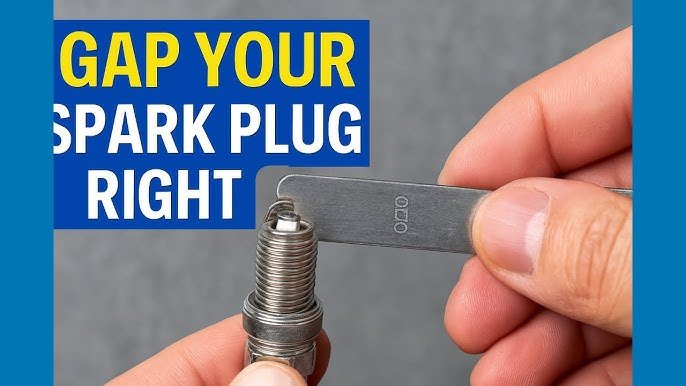
Are you ready to supercharge your vehicle’s performance with a simple tweak? Learning how to gap a spark plug might just be the secret sauce you need.
This small adjustment can make a significant difference in your engine’s efficiency and power. Whether you’re a seasoned car enthusiast or just starting out with DIY vehicle maintenance, mastering this skill is crucial. You might be wondering why it matters or if it’s really necessary.
Well, imagine saving money on repairs, boosting your car’s performance, and extending the life of your engine—all by spending just a few minutes on this task. Intrigued? Let’s dive into the details and empower you with the knowledge you need to make your vehicle run smoother than ever.
Why Spark Plug Gap Matters
Understanding why the spark plug gap matters is crucial for anyone who wants their engine running smoothly. The gap affects how the spark ignites the air-fuel mixture in the combustion chamber. Even a small mistake in the gap size can lead to noticeable changes in engine behavior.
Impact On Engine Performance
The spark plug gap controls the strength and size of the spark that ignites the fuel. If the gap is too wide, the spark may be weak or fail to jump across, causing misfires. A gap that is too narrow can result in a weak spark, leading to incomplete combustion.
When your engine misfires, you might notice reduced power, poor fuel efficiency, or rough idling. I once adjusted the gap on my motorcycle’s spark plugs and immediately felt a smoother acceleration and better throttle response. This shows how precise adjustments can improve performance without expensive upgrades.
Signs Of Incorrect Gap
How can you tell if your spark plug gap is off? Watch for:
- Hard starting or engine hesitation
- Reduced fuel efficiency or increased emissions
- Engine misfires or rough idling
- Excessive spark plug wear or fouling
Noticing these signs early can save you from costly repairs. Have you ever experienced sudden engine trouble that disappeared after replacing or gapping spark plugs? These real-life moments highlight the importance of checking the gap regularly.

Credit: www.amazon.ca
Tools Needed For Gapping
Gapping a spark plug requires specific tools to ensure the gap is correct. Using the right tools makes the process simple and accurate. It helps your engine run smoothly and saves fuel. Preparing these tools before starting will make the job easier and faster.
Types Of Gap Gauges
Gap gauges measure the space between the spark plug electrodes. Several types exist to fit different needs:
- Feeler Gauge:Thin metal strips of various thicknesses slide between electrodes.
- Coin-Style Gauge:Flat metal discs marked with gap sizes; easy to use and carry.
- Wire-Style Gauge:Wire loops of different thicknesses that slide through the gap.
- Plastic Gap Gauge:Flexible plastic tools that bend to check the gap size.
Choose a gauge that fits your spark plug type and your comfort level. Accuracy matters most in selecting the right gauge.
Additional Helpful Tools
Besides gap gauges, other tools help in gapping spark plugs:
- Gap Adjuster Tool:Used to bend the electrode gently to widen or close the gap.
- Pliers:Needle-nose pliers work well for careful bending without damage.
- Cleaning Brush:Removes dirt and debris from the spark plug before gapping.
- Magnifying Glass:Helps see the small gap area clearly for precise adjustments.
Having these tools ready improves the accuracy and ease of gapping spark plugs.
Measuring The Spark Plug Gap
Measuring the spark plug gap is a key step in ensuring your engine runs smoothly. The gap controls the spark’s size and strength, directly affecting engine performance and fuel efficiency. If the gap is off, your engine might misfire or use more fuel than necessary.
Locating The Gap
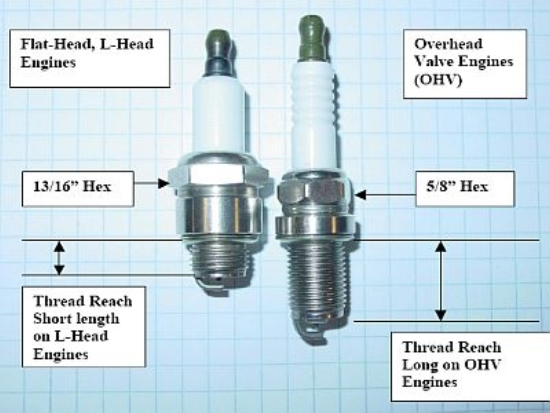
The spark plug gap is the small space between the center electrode and the ground electrode. It might look tiny, but it plays a huge role in ignition. To find it, hold your spark plug with the threaded end facing up and look at the tip where two metal pieces almost touch.
Make sure you have good lighting and, if needed, use a magnifying glass to see the gap clearly. It helps to clean the electrodes gently with a wire brush before measuring, especially if the plug is used. Have you ever tried measuring a gap without proper light? It’s tricky and leads to inaccurate readings.
Using A Gap Gauge Correctly
A gap gauge is a tool designed to measure and adjust the spark plug gap precisely. These gauges come in different types: wire, coin, and feeler gauges. Each works well but requires a steady hand and attention to detail.
- Wire gauge:Slide the correct thickness wire through the gap. The wire should fit snugly without forcing it.
- Coin gauge:Insert the coin between the electrodes. If it fits too loosely or not at all, adjust the gap accordingly.
- Feeler gauge:Use the blade that matches your vehicle’s recommended gap. The blade should slide in with slight resistance.
Don’t rush this process. Gently bend the ground electrode to increase or decrease the gap. Small changes make a big difference, so check the gap repeatedly. Have you noticed how tiny adjustments can improve engine start-up and idle?

Credit: www.youtube.com
Adjusting The Spark Plug Gap
Adjusting the spark plug gap is a crucial step to ensure your engine runs smoothly and efficiently. The gap affects how the spark ignites the air-fuel mixture, so getting it right matters a lot. Here’s how you can fine-tune that gap with care and precision.
Increasing The Gap
If your spark plug gap is too narrow, increasing it can improve the spark’s reach and combustion. Use a spark plug gap tool or a feeler gauge to gently widen the gap.
Carefully slide the tool between the electrodes and slowly bend the ground electrode outward. Make small adjustments and measure frequently to avoid overshooting the ideal gap size.
Have you noticed how a slightly larger gap can sometimes improve engine performance? Just be mindful not to go beyond the manufacturer’s recommended range.
Decreasing The Gap
When the gap is too wide, the spark may be weak or inconsistent. To decrease the gap, carefully tap the ground electrode inward using the flat side of your gap tool or a small, non-metallic hammer.
Check the gap often as you make adjustments to avoid squashing the electrode too much. A snug, precise fit promotes better ignition and fuel efficiency.
Think about how a perfectly set gap can reduce misfires and rough idling — it’s worth the extra patience.
Avoiding Damage
Handling spark plugs requires a gentle touch. Avoid applying too much force on the electrodes as they are fragile and can break or deform easily.
Never use pliers or metal tools that can scratch or damage the electrodes. Instead, stick to specialized gap tools designed for this purpose.
Remember, a damaged spark plug can lead to poor engine performance and costly replacements. Have you ever tried to force a gap adjustment and ended up with a broken plug? Learning from that experience makes all the difference.
Checking The Gap After Adjustment
Checking the gap after adjustment is a vital step in spark plug maintenance. It ensures the spark plug performs efficiently and prolongs engine life. A correct gap helps the engine ignite the fuel-air mix properly. An improper gap can cause poor engine performance or hard starts.
After adjusting the gap, always verify the spacing carefully. This confirms the spark plug meets the manufacturer’s specifications. Use the right tools and methods to avoid errors. Accurate checking prevents future engine issues and costly repairs.
Ensuring Accurate Measurement
Use a feeler gauge or a gap tool for measurement. These tools provide precise readings in thousandths of an inch or millimeters. Insert the gauge gently between the electrode and the ground strap. The tool should fit snugly but move with slight resistance.
Measure the gap at several points along the electrode. This checks for any uneven spacing. Adjust again if the gap is too wide or too narrow. Repeat measurement until the exact gap is confirmed.
Common Mistakes To Avoid
- Using worn or incorrect tools can cause wrong readings.
- Applying too much force may damage the electrode.
- Measuring the gap on a dirty or oily spark plug leads to errors.
- Not checking multiple points of the gap misses uneven spacing.
- Skipping the final check after adjustment risks engine problems.
Tips For Maintaining Optimal Spark Plug Gap
Maintaining the optimal gap on your spark plug is key to keeping your engine running smoothly and efficiently. A correctly gapped spark plug ensures a strong spark, better combustion, and improved fuel economy. Let’s dive into practical tips that will help you keep your spark plug gap in check and avoid unnecessary engine troubles.
When To Re-gap
Have you noticed rough idling or decreased fuel efficiency? These could be signs that your spark plug gap needs adjustment. It’s a good idea to check the gap whenever you replace your spark plugs or if your engine starts showing performance issues.
Also, if you’ve changed your vehicle’s ignition system or noticed unusual engine misfires, re-gapping might be necessary. Keep in mind that some spark plugs come pre-gapped, but they can still shift during shipping or installation.
Routine Inspection Practices
Regular inspection is essential for maintaining the correct spark plug gap. Use a feeler gauge to measure the gap accurately—don’t guess or eyeball it. Even a small deviation can affect engine performance.
Make it part of your routine vehicle maintenance to check the gap every 10,000 to 15,000 miles. Also, clean the spark plugs to remove carbon deposits, which can alter the gap and reduce spark efficiency.
- Always consult your vehicle’s manual for the manufacturer’s recommended gap size.
- Handle spark plugs carefully to avoid bending the electrodes.
- Adjust the gap by gently bending the ground electrode with a gap tool—never force it.
Have you checked your spark plug gap recently? Small adjustments can prevent big engine headaches down the road.
Credit: www.vanguardpower.com
Frequently Asked Questions
What Tools Do I Need To Gap A Spark Plug?
You need a spark plug gap tool or feeler gauge. These tools measure and adjust the gap accurately. Using the right tool ensures proper engine performance and fuel efficiency.
How Do I Measure The Spark Plug Gap Correctly?
Place the gap tool between the electrodes gently. The tool should fit snugly without forcing. Adjust the gap until it matches the manufacturer’s recommended size for optimal ignition.
Why Is The Correct Spark Plug Gap Important?
The right gap ensures efficient combustion and engine performance. Too wide or narrow gaps cause misfires or poor fuel economy. Proper gapping helps your engine run smoothly and last longer.
How Often Should I Check Spark Plug Gaps?
Check spark plug gaps during every spark plug replacement or tune-up. Regular inspection prevents engine issues and maintains optimal performance. This simple step saves time and repair costs.
Conclusion
Gapping a spark plug helps your engine run smoothly and saves fuel. Use the right tool and check the gap carefully. A correct gap boosts performance and prevents engine problems. Take your time and follow the steps closely. Small adjustments make a big difference.
Keep your spark plugs clean and well-gapped for best results. This simple task can improve your vehicle’s life and efficiency. Try it yourself and see the change. Regular maintenance keeps your engine healthy and strong.





