Have you ever found yourself ready to tune up your engine, only to realize you don’t have the specific tool to gap your spark plugs? You’re not alone.
The good news is, you can still get the job done without that specialized tool. Imagine saving time, avoiding frustration, and feeling empowered as you master this DIY skill. You’ll discover simple and effective methods to gap a spark plug using everyday items you probably already have at home.
By the end, you’ll not only have a perfectly gapped spark plug but also a new trick up your sleeve. Ready to dive in and learn how to do it yourself? Let’s get started!

Credit: www.youtube.com
Why Spark Plug Gap Matters
Spark plug gap is the distance between the center and ground electrodes. This small space controls the spark needed to ignite the air-fuel mixture. The right gap ensures proper combustion and smooth engine running. A wrong gap can cause engine problems and reduce fuel efficiency. Understanding why spark plug gap matters helps maintain engine health and performance.
Effects On Engine Performance
The correct spark plug gap creates a strong spark for ignition. A gap too wide makes the spark weak or inconsistent. This leads to rough idling, poor acceleration, and low power. A gap too narrow causes incomplete combustion. This wastes fuel and increases emissions. Proper gap improves fuel economy and reduces engine misfires. It also helps the engine start easily and run quietly.
Signs Of Incorrect Gap
Detecting an incorrect gap is easy by watching engine behavior. Common signs include:
- Engine misfires or hesitation during acceleration
- Hard starting, especially in cold weather
- Poor fuel economy and increased fuel consumption
- Rough or uneven engine idle
- Increased exhaust emissions or smell of unburned fuel
Checking and adjusting the spark plug gap can solve these issues. This simple step keeps the engine running strong and efficient.
Common Spark Plug Gap Sizes
Knowing the common spark plug gap sizes helps ensure your engine runs smoothly. The gap affects the spark strength and fuel combustion. Too small or too large a gap can cause poor engine performance and fuel waste. Each vehicle needs a specific gap size to work well.
Manufacturer Recommendations
Manufacturers provide exact spark plug gap sizes for each engine model. These sizes match the engine’s design and fuel type. Most manuals list the gap in thousandths of an inch (e.g., 0.028 inches). Following these specs keeps your engine efficient and prevents damage.
Variations By Vehicle Type
Different vehicles require different spark plug gaps. Small cars often use gaps between 0.028 and 0.044 inches. Trucks and SUVs may need larger gaps for stronger sparks. Motorcycles and lawnmowers usually have smaller gaps for quick ignition. Always check the recommended gap for your specific vehicle type.
Tools You Can Use Instead
Gapping a spark plug without a special tool is easier than it sounds. Many common items around the house can help adjust the spark plug gap precisely. Using these tools saves time and avoids extra costs. Keep the spark plug safe while working and check the gap often for accuracy.
Household Items That Work
Several household items fit perfectly for gapping spark plugs. Thin metal objects or flat tools help measure and adjust the gap. Items like a small flathead screwdriver or a thin strip of metal can gently bend the electrode. Always work slowly to avoid damaging the spark plug.
- Small flathead screwdriver
- Needle or safety pin
- Thin metal strip or nail file
- Plastic ruler or business card (for measurement)
Use a plastic ruler or a thin card to roughly measure the gap size. Metal tools help carefully widen or narrow the gap by bending the ground electrode.
Using A Coin Or Paperclip
A coin or paperclip can also serve as a gapping tool. The edge of a coin can slide between the electrodes to check the space. A paperclip, straightened and flattened, works well to adjust the gap gently.
- Choose a coin with a thin, flat edge
- Straighten a paperclip carefully
- Use the coin edge to measure the gap
- Gently bend the electrode with the paperclip
Work slowly and check the gap frequently. This prevents bending the electrode too far, which can harm the spark plug’s performance.

Credit: www.bmwlt.com
Step-by-step Gapping Without A Tool
Gapping a spark plug without a specialized tool might seem tricky, but it’s definitely doable with a bit of patience and care. You’ll rely on everyday items and a keen eye to measure and adjust the gap precisely. The key is to stay gentle and accurate to avoid damaging the spark plug.
Measuring The Gap Manually
Start by finding a thin, flat object that can act as a feeler gauge. A business card, a piece of paper, or even a credit card can work if you know their approximate thickness.
- Check the thickness of your chosen item by stacking multiple pieces and measuring with a ruler.
- Compare the spark plug gap to the thickness of your makeshift gauge by sliding it gently into the gap.
- If it fits snugly with slight resistance, the gap is close to correct. Too tight or too loose? You’ll need to adjust.
Have you ever tried measuring something without the right tool? It forces you to be more precise and creative.
Adjusting The Gap Safely
Use a small flathead screwdriver or a similar tool to carefully bend the ground electrode. Apply light pressure to avoid cracking the ceramic insulator or bending the electrode too far.
- To widen the gap, gently push the electrode away from the center electrode.
- To narrow the gap, carefully tap the electrode closer to the center.
After each adjustment, re-measure with your makeshift gauge to check the gap.
Remember, the spark plug is delicate. Rushing or forcing the adjustment can lead to damage that affects engine performance.
Tips For Accurate Gapping
Getting the spark plug gap right is key for engine performance. Accurate gapping helps the spark jump properly and keeps your engine running smooth. Without the right tools, you can still achieve a good gap with care and patience. Use these tips to make sure your spark plug gap is precise and safe.
Avoiding Damage To The Electrode
Handle the spark plug gently to protect the electrode. The electrode is delicate and bends easily. Never use excessive force when adjusting the gap. Use a flat, smooth object like a small screwdriver or a thin piece of metal. Avoid scraping or scratching the electrode surface. Keep the electrode clean and free from dirt. Damaged electrodes can cause poor engine performance or misfires.
Checking The Gap Consistently
Measure the gap several times for accuracy. Use a thin piece of paper or a business card to check the space. Slide the paper between the electrodes and feel the resistance. The paper should fit snugly but not be forced. Adjust the gap slowly and re-check after each bend. Repeat the process until the desired gap is reached. Consistency ensures your engine gets the right spark every time.

Credit: www.youtube.com
When To Replace Spark Plugs
Knowing when to replace your spark plugs can save you time, money, and frustration. Spark plugs wear down over time, affecting your engine’s performance. Paying attention to the right signs can help you decide if it’s time for a replacement, even if you don’t have a specialized tool on hand.
Signs Of Wear And Tear
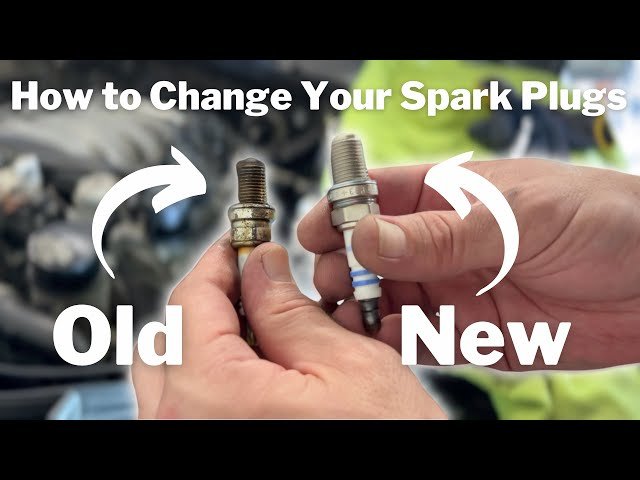
Look closely at your spark plugs for physical damage or buildup. If you notice heavy carbon deposits, worn electrodes, or cracks in the ceramic insulator, these are clear signals that replacement is overdue.
Another common sign is engine misfires or rough idling. If your car hesitates when accelerating or the engine feels sluggish, worn spark plugs might be the culprit.
Impact On Fuel Efficiency
Worn spark plugs can seriously reduce your fuel efficiency. When plugs don’t ignite the fuel-air mixture properly, your engine burns more fuel to compensate.
Have you checked your mileage lately? A sudden drop could mean your spark plugs aren’t firing correctly. Replacing them promptly can improve your gas mileage and save you money at the pump.
Frequently Asked Questions
How Can I Gap A Spark Plug Without A Tool?
You can use a feeler gauge substitute like a folded paper or a business card. Carefully bend the ground electrode to adjust the gap. Check by sliding the paper or card between electrodes until you feel slight resistance.
What Household Items Help Measure Spark Plug Gaps?
Common items like a folded paper, business card, or thin cardboard work well. These can simulate feeler gauges to estimate the gap size. Use gentle bending to adjust until the item fits snugly but without force.
Why Is Spark Plug Gap Important For Engine Performance?
Correct spark plug gap ensures proper spark strength and combustion. Too wide or narrow gaps cause misfires and poor fuel efficiency. Adjusting the gap improves engine start, power, and smoothness.
Can I Risk Damaging The Spark Plug When Gapping It Myself?
Yes, improper handling can damage the electrode or insulator. Always bend the ground electrode gently and avoid touching the ceramic part. Use steady, small adjustments to prevent breaks or cracks.
Conclusion
Gapping a spark plug without a tool is simple and saves money. Use a coin or a ruler to measure the gap. Adjust the gap gently to avoid damage. Correct spark plug gaps help engines run smoothly and save fuel.
Practice a few times to feel confident. This skill comes handy during emergencies or when tools are unavailable. Keep your engine healthy with proper spark plug care. Small steps make a big difference in car performance. Try it yourself and see the results.





