If you want your engine to run smoothly and efficiently, one small detail can make a big difference: the gap on your iridium spark plugs. You might not realize it, but the right gap helps your engine ignite fuel properly, boosting performance and saving fuel.
Getting this gap just right isn’t as tricky as it sounds. You’ll discover simple, step-by-step instructions to gap your iridium spark plugs like a pro. By the end, you’ll have the confidence to do it yourself and keep your engine firing perfectly every time.
Keep reading—your car will thank you!

Credit: www.youtube.com
Why Gap Matters
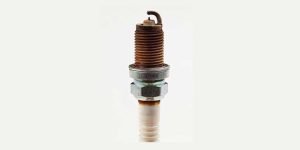
Understanding why the gap on your iridium spark plug matters can save you from costly engine problems and improve your vehicle’s overall performance. The gap is the distance between the center and ground electrode, and even a small difference can change how well your engine runs. Getting this gap right ensures a strong spark, which is essential for efficient combustion and smooth engine operation.
Impact On Engine Performance
The spark plug gap directly affects how well your engine ignites the air-fuel mixture. A gap that is too wide may cause weak sparks or misfires, leading to rough idling and poor fuel economy. On the other hand, a gap that is too narrow can reduce the spark’s intensity, causing incomplete combustion and lower power output.
Imagine trying to light a fire with a spark that’s too weak or too far apart—it just won’t catch properly. The right gap balances spark strength and reliability, helping your engine start quickly and run smoothly.
Differences In Iridium Plugs
Iridium spark plugs differ from traditional plugs in their construction and durability. Because iridium is a harder and more heat-resistant metal, these plugs often come with a finer electrode that needs a precise gap setting. Unlike regular plugs, the gap on iridium plugs doesn’t wear out as quickly but still requires accurate adjustment to work at peak efficiency.
Have you ever assumed all spark plugs are the same? Iridium plugs can withstand higher temperatures and provide more consistent sparks, but only if you maintain the correct gap. Adjusting the gap on iridium plugs ensures you get the benefits of longer life and better engine performance without unexpected issues.

Credit: www.toyotanation.com
Tools Needed
Gapping an iridium spark plug precisely requires the right set of tools. Without these, you risk damaging the delicate electrode or setting an incorrect gap that affects your engine’s performance. Gathering the proper equipment ensures you get the job done efficiently and correctly.
Gap Gauge Types
Choosing the right gap gauge is crucial. There are mainly three types you can use:
- Feeler Gauge:Thin metal strips with exact thickness measurements. They give the most accurate reading but require careful handling.
- Wire Gauge:A flexible wire loop that slides between the electrodes. It’s easier to use but less precise.
- Coin or Card Gauge:A simple plastic or metal card with notches for different gap sizes. It’s handy but less reliable for iridium plugs.
Personally, I prefer a feeler gauge for iridium plugs because even a slight gap error can impact ignition quality. Have you ever noticed your engine misfiring after a quick plug check? A precise gauge helps avoid that.
Additional Equipment
Besides the gap gauge, a few other tools make the process smoother:
- Gap Tool or Adjusting Tool:A small device to gently bend the ground electrode without breaking it. Iridium electrodes are fragile, so using the right tool prevents damage.
- Clean Cloth or Compressed Air:Dirt on the spark plug can affect your gap reading. Always clean the plug before gapping.
- Gloves:Protect your hands and keep oil off the plug. Oil contamination can harm spark plug performance.
Having these extras at hand saves frustration. Imagine adjusting the gap only to realize your plug is dirty or your fingers left grease on it—small things that can cause big headaches.
Preparing The Spark Plug
Preparing your iridium spark plug before gapping is crucial for optimal engine performance. This stage ensures the plug is clean and free from damage, which can affect the gap setting and overall function. Taking the time to properly prepare your spark plug can save you from costly repairs and improve fuel efficiency.
Cleaning The Plug
Start by removing any dirt, oil, or carbon deposits from the spark plug surface. Use a soft brush or a spark plug cleaner to gently scrub the electrodes and insulator. Avoid using harsh chemicals that could damage the iridium tip, as it’s delicate and designed to last longer than standard plugs.
Cleaning ensures accurate gapping and prevents misfires caused by contaminants. Have you ever noticed rough idling or poor acceleration? Dirty plugs might be the reason behind those issues.
Inspecting For Damage
After cleaning, closely examine the spark plug for cracks, chips, or worn electrodes. The iridium tip should be intact and smooth, without any signs of erosion. Even a small nick can affect the spark’s strength and lead to engine problems.
Check the ceramic insulator for hairline cracks and ensure the threads are not stripped or damaged. If you spot any defects, replacing the plug is often more cost-effective than risking engine damage.
Measuring The Gap
Measuring the gap on an iridium spark plug is a crucial step to ensure your engine runs smoothly and efficiently. The gap affects the spark’s strength and consistency, which directly impacts combustion. Getting this measurement right can save you from misfires and poor fuel economy.
Correct Gap Size For Iridium
Each engine has a specific gap size recommended by the manufacturer. Iridium spark plugs typically require a smaller gap than traditional plugs because the iridium tip produces a stronger spark. Check your vehicle’s manual or the spark plug packaging to find the exact measurement—usually between 0.028 and 0.040 inches.
Using the wrong gap size can cause starting problems or rough idling. Have you ever noticed your car hesitating when you accelerate? That might be due to an incorrect spark plug gap.
Using The Gap Gauge
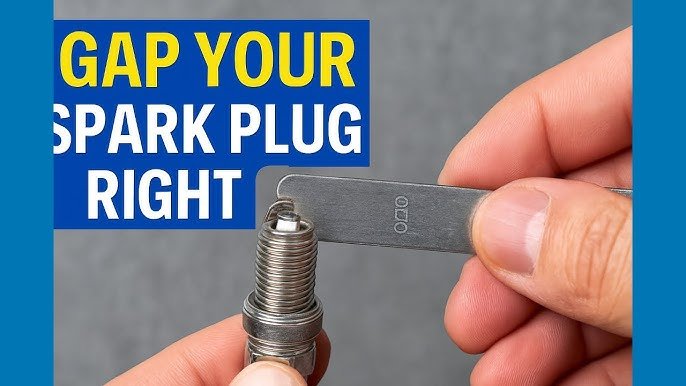
A gap gauge is a simple tool to measure and adjust the spark plug gap accurately. It can be a wire-type or a feeler gauge, and both work well if you use them carefully.
- Insert the gauge between the center and ground electrode.
- Slide it gently to check the clearance without forcing it.
- If the gauge fits snugly with slight resistance, the gap is correct.
If the gap is too small, carefully bend the ground electrode outward. If it’s too wide, gently tap it inward. Avoid applying too much force, which can damage the iridium tip or the electrode itself.
Have you ever tried to gap a spark plug without a gauge? It’s like trying to measure length with your fingers. Invest in a good gap gauge—it makes the process precise and hassle-free.
Adjusting The Gap
Adjusting the gap on an iridium spark plug is a delicate task that can significantly impact your engine’s performance. The gap needs to be just right to ensure the spark fires properly. Too wide or too narrow, and you risk poor combustion or misfires.
Bending The Ground Electrode
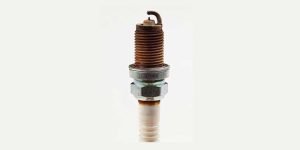
The ground electrode is the small metal arm that arches over the center electrode. To adjust the gap, you’ll gently bend this arm closer or farther away from the center. Using a spark plug gap tool or a feeler gauge is essential to measure the gap accurately.
Place the gauge between the electrodes and carefully bend the ground electrode with slight pressure. Avoid using pliers directly on the electrode because it can cause uneven bending. Instead, use a dedicated tool or a small flat-head screwdriver to nudge it gently.
Have you noticed how even a tiny change in the gap can alter the spark? That’s why patience and precision are key here. Check the gap repeatedly as you adjust—it’s better to bend little by little than to overdo it.
Avoiding Damage
Iridium spark plugs are delicate, so it’s crucial to handle them with care. The center electrode is very thin and fragile; applying too much force can crack or break it. Never touch the iridium tip directly when adjusting the gap.
Also, avoid dropping the spark plug or hitting it against hard surfaces. Even a small chip can compromise the plug’s effectiveness. If you feel resistance when bending the ground electrode, stop and reassess—forcing it could cause permanent damage.
Think about the last time you adjusted a plug—did you handle it gently enough? Taking a slow and careful approach protects your investment and ensures your engine runs smoothly.
Final Checks
Final checks are crucial after gapping an iridium spark plug. These steps ensure the gap is precise and ready for use. Proper final checks help avoid engine misfires and poor performance. Take your time to verify everything carefully.
Re-measuring The Gap
Use a feeler gauge to re-measure the spark plug gap. Insert the gauge gently between the electrodes. The gauge should fit snugly without forcing it. Check the measurement twice to confirm accuracy. Adjust the gap slightly if it is off by even a small amount.
Ensuring Consistency
Check multiple spark plugs for the same gap size. Consistent gaps ensure all cylinders fire evenly. Uneven gaps can cause engine problems and reduce efficiency. Use the same tool for all plugs to maintain uniformity. Keep the spark plug surface clean during the process to avoid errors.
Tips For Long-term Performance
Keeping your iridium spark plugs in top shape is key to maintaining your engine’s efficiency and performance. Small actions over time can make a big difference in how your vehicle runs and how long your spark plugs last. Let’s look at some practical tips that help you get the best out of your spark plugs for the long haul.
Regular Inspection
Checking your spark plugs regularly helps catch problems before they get worse. Look for signs like buildup on the electrode, cracks in the ceramic, or uneven wear. These can tell you if your plugs are still working well or if something in your engine needs attention.
Set a schedule to inspect your spark plugs every 10,000 to 15,000 miles. This way, you can monitor changes gradually instead of waiting for a failure. Have you ever noticed your engine misfiring or running rough? Regular inspections might have helped avoid those issues.
When To Replace The Plug
Knowing when to replace your iridium spark plugs saves you from wasted fuel and poor performance. Generally, iridium plugs last longer than regular ones—often up to 60,000 to 100,000 miles—but they don’t last forever.
Replace your plugs if you see persistent fouling, heavy electrode wear, or if your vehicle starts showing signs of poor ignition like hesitation or difficulty starting. Ignoring these can lead to bigger engine problems. Think about the last time you noticed a dip in your car’s responsiveness—could it have been time for a spark plug change?

Credit: www.theengineeringchoice.com
Frequently Asked Questions
How Do You Gap An Iridium Spark Plug Correctly?
To gap an iridium spark plug, use a precise feeler gauge. Avoid forcing the electrode, as iridium is delicate. Adjust the gap gently by bending the ground electrode only. Check the manufacturer’s specified gap for your engine. Accurate gapping ensures optimal performance and fuel efficiency.
Why Is Gapping Iridium Spark Plugs Important?
Proper gapping ensures a strong spark and efficient combustion. Iridium plugs have fine electrodes that require precise gaps. Incorrect gaps cause misfires, poor fuel economy, and engine issues. Maintaining the recommended gap extends plug life and improves engine performance.
What Tools Are Needed To Gap Iridium Spark Plugs?
You need a high-quality spark plug gap tool or feeler gauge. Avoid using pliers or makeshift tools that can damage electrodes. A gap gauge with adjustable measurement is best. Using correct tools ensures accurate, safe adjustment without harming the plug.
Can I Reuse Iridium Spark Plugs After Gapping?
Yes, iridium spark plugs can be reused if in good condition. Always inspect for wear or damage before reinstallation. Proper gapping maintains performance during reuse. Replace plugs if electrodes are worn or if gaps cannot be adjusted correctly.
Conclusion
Gapping iridium spark plugs isn’t difficult with the right steps. It ensures optimal engine performance. Always use a feeler gauge for accurate measurement. Remember to handle the plug carefully to avoid damage. Proper gapping can enhance fuel efficiency and engine life.
Regular checks and adjustments keep your vehicle running smoothly. Now, you’re ready to gap your spark plugs confidently. A small effort leads to long-term benefits. Happy driving!