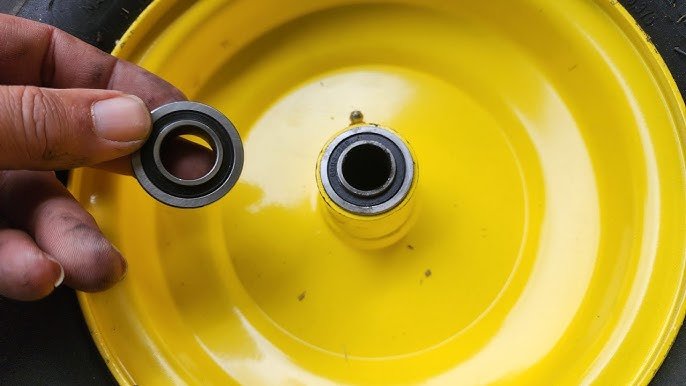
Is your mower making strange noises or not rolling smoothly? The problem might be your wheel bearings.
Fixing mower wheel bearings might sound tricky, but with the right steps, you can do it yourself and save time and money. In this guide, you’ll learn simple, clear instructions to get your mower wheels spinning like new. Keep reading, and by the end, you’ll feel confident tackling this common mower issue on your own.

Credit: www.youtube.com
Signs Of Worn Wheel Bearings
Unusual noiseslike grinding or squealing sounds often show worn wheel bearings. These sounds get louder when the mower moves.
Wobbly wheelsmean the bearings are loose or damaged. The wheel may shake or feel unstable while rolling.
Uneven movementhappens when bearings don’t spin smoothly. The mower might jerk or stop suddenly during use.
Tools And Materials Needed
Basic hand tools are essential for fixing mower wheel bearings. A wrench sethelps remove nuts and bolts. A screwdriveris needed to take off covers and guards. Plierscan hold small parts or pull out bearings. A hammermay help loosen stuck parts.
Replacement bearings must match the mower model. Check the size and type before buying. Using the correct bearingsensures smooth wheel movement and long life.
Lubricants and grease keep bearings working well. Use high-quality greasemade for wheel bearings. Grease stops rust and reduces friction. Apply it after cleaning the old parts for best results.
Removing The Mower Wheel
Always wear glovesand safety glassesbefore starting. Make sure the mower is offand the spark plug wire is disconnected. This prevents accidental starts. Work on a flat, stable surface to avoid slips.
Use a wrench to loosen the wheel nuts. Turn counterclockwise. Sometimes the nuts are tight. Use a lubricant spray if needed. Do not remove nuts completely yet.
Lift the mower using a jackor blocks. Support it securely. Then, remove the nuts fully and pull the wheel off. If the wheel sticks, tap gently with a rubber mallet. Keep all parts safe for reassembly.
Extracting The Old Bearings
To remove the wheel hub, first loosen the nuts or bolts holding it. Use a wrench or socket set for better grip. Gently pull the hub away from the mower wheel. Sometimes, tapping lightly with a rubber mallet helps to loosen stuck parts.
Pulling out the bearings requires care. Use a bearing puller tool or a flathead screwdriver to pry them out. Avoid bending or damaging the bearing housing. Old bearings can be rusty or stuck, so patience is key.
Cleaning the bearing housing is important before installing new bearings. Wipe the inside with a clean cloth. Remove dirt, grease, and rust using a wire brush or sandpaper. A clean housing helps the new bearings last longer and work better.
Installing New Bearings
Clean the new bearings with a cloth to remove any dust or oil. Check for any damage or dirt before use. Make sure the bearings match the size of the wheel hub. Use grease to lightly coat the bearings for smooth rotation and longer life.
Align the bearing carefully with the wheel hub opening. Use a press tool or a rubber mallet to push the bearing evenly into place. Avoid hitting the bearing directly with a metal hammer to prevent damage. The bearing should fit snugly without wobbling.
Place the wheel hub on the mower axle. Secure it tightly using the correct nuts or clips. Check that the wheel spins freely without noise or resistance. Tighten all parts firmly but avoid over-tightening, which can damage the bearings.

Credit: www.youtube.com
Reattaching The Wheel
Remove the wheel carefully to access the bearing. Clean the area, then place the bearing back securely before reattaching the wheel. Tighten all bolts to ensure stability.
Place the wheel on the axle. Ensure it fits snugly. Alignment is key for smooth movement. The wheel should sit straight. It should not wobble. Use a wrench to tighten the bolts. Secure them firmly. Loose bolts can cause issues. Tighten until the wheel feels stable. Avoid over-tightening. This can damage the bolts. Spin the wheel gently. Check for smooth rotation. Listen for any strange noises. Ensure it moves without resistance. A smooth wheel means success. Double-check if it feels off. `Maintenance Tips For Longevity
Keeping mower wheel bearings in good shape helps them last longer. Regular cleaning removes dirt and grass that can cause damage. Use a brush or cloth to wipe off debris after each use.
Follow a lubrication schedule to keep bearings running smoothly. Apply grease or oil as needed, usually every few months or after heavy use. This stops rust and reduces wear.
Avoid rough terrain like rocks and thick roots. Rough ground makes bearings work harder and wear out fast. Stick to smooth lawns and clear areas to protect your mower parts.

Credit: www.youtube.com
Frequently Asked Questions
How Do I Know If Mower Wheel Bearings Are Bad?
You may hear grinding noises or notice wobbling wheels. Uneven mowing and difficulty steering also indicate bad bearings. Check for rust or leakage around the wheel hub.
Can I Fix Mower Wheel Bearings Myself?
Yes, with basic tools and some mechanical knowledge, you can replace or lubricate mower wheel bearings. Follow safety steps and use proper parts.
What Tools Are Needed To Replace Mower Wheel Bearings?
You typically need a wrench, pliers, bearing puller, hammer, grease, and replacement bearings. A manual specific to your mower helps identify sizes and parts.
How Often Should Mower Wheel Bearings Be Maintained?
Inspect and lubricate bearings every mowing season or after 20-25 hours of use. Regular maintenance extends bearing life and improves mower performance.
Conclusion
Fixing mower wheel bearings keeps your mower running smoothly. Regular checks help spot problems early. Clean and grease the bearings for best results. Replace damaged parts to avoid bigger issues. Simple care saves money and extends mower life. You can do this with basic tools and patience.
Keep your mower ready for every mowing day. A little effort goes a long way. Start your repair now and enjoy a smooth ride.





