Is your mower transmission refusing to engage when you need it most? It’s frustrating, especially when you’re ready to get your lawn work done quickly.
But don’t worry—you don’t have to call a repair shop just yet. Understanding why your mower transmission won’t engage and learning a few simple fixes can save you time and money. You’ll discover easy, step-by-step solutions to get your mower back in action fast.
Keep reading, and you’ll have your mower running smoothly before you know it.
Common Causes Of Transmission Issues
Transmission problems can stop your mower from moving. Knowing common causes helps fix issues fast. Many problems come from parts wearing down or fluids running low. Dirt and damage also cause trouble. Check these areas to find the root cause of transmission failure.
Worn Or Broken Drive Belt
The drive belt connects the engine to the transmission. Over time, belts wear out or snap. A broken belt means no power reaches the wheels. Look for cracks, frays, or missing sections on the belt. Replace the belt if it looks damaged or loose.
Faulty Transmission Control Cable
The control cable moves the transmission into gear. It can stretch, break, or get stuck. A bad cable stops the transmission from engaging. Check if the cable moves smoothly and is attached firmly. Replace it if it feels loose or broken.
Low Transmission Fluid
Transmission fluid lubricates and cools parts. Low fluid causes overheating and poor shifting. Some mowers need regular fluid checks. Look for leaks under the mower. Fill or change fluid as the manual advises to keep parts working well.
Damaged Or Worn Gears
Gears transfer power inside the transmission. Worn teeth or broken gears cause slipping or no movement. Grinding noises may mean gear damage. Inspect gears for chips, cracks, or wear. Replace damaged gears to restore function.
Clogged Or Dirty Transmission Components
Dirt and debris can clog transmission parts. This stops smooth gear movement. Clean filters, vents, and fluid passages regularly. Use compressed air or cleaning solutions made for transmissions. Clean parts reduce wear and improve performance.
Tools And Materials Needed
Before you dive into fixing your mower’s transmission, gathering the right tools and materials can save you time and frustration. Having everything on hand lets you focus on the repair without constant interruptions. Let’s break down what you’ll need to get the job done efficiently and safely.
Basic Hand Tools
Your toolbox should include a solid set of hand tools. Start with:
- Screwdrivers(both flathead and Phillips) for removing panels and covers.
- Wrenches and socket setsto loosen and tighten bolts around the transmission.
- Pliersfor gripping and adjusting cables or small parts.
- Hammerto gently tap stuck components free.
Have you ever tried fixing something only to realize you’re missing a basic tool? Avoid that by checking your tools before you begin.
Replacement Parts
Identifying the faulty parts in your mower’s transmission is key. Common replacements include:
- Drive belts– these often wear out and cause engagement issues.
- Transmission clutches or gears– worn or damaged parts might need swapping.
- Cables and linkages– sometimes these get stretched or broken.
Order parts that match your mower’s model exactly. Having the right components avoids trial and error and helps your mower run smoothly again.
Lubricants And Fluids
Transmission components need proper lubrication to work well. You’ll want:
- Greasefor bearings and moving joints to reduce friction.
- Transmission oilspecified by your mower’s manual.
- Penetrating oilto loosen rusted bolts or stuck parts.
Applying the right lubricant can be a game-changer. Have you checked if your mower’s manual recommends a specific oil type?
Safety Equipment
Working on a mower’s transmission involves sharp parts and heavy components. Protect yourself with:
- Glovesto shield your hands from cuts and grease.
- Safety glassesto keep debris out of your eyes.
- Closed-toe shoesfor foot protection.
Don’t skip safety gear just to save a minute. Protecting yourself ensures you finish the job without injury.
Diagnosing The Problem
Diagnosing why a mower transmission won’t engage requires a careful check of several parts. Identifying the exact cause helps fix the problem quickly. Start with basic checks before moving to complex parts. This saves time and money. Below are key areas to inspect for common issues.
Checking The Drive Belt
The drive belt connects the engine to the transmission. A worn or broken belt stops power from reaching the transmission. Look for cracks, frays, or missing sections. The belt should be tight but not too tight. Replace the belt if it looks damaged or loose.
Inspecting The Control Cable
The control cable controls the transmission’s engagement. It can become loose or broken over time. Check if the cable moves smoothly when you pull the lever. Look for signs of rust or wear. Tighten or replace the cable if it does not respond properly.
Testing Transmission Fluid Levels
Transmission fluid lubricates and cools the moving parts inside. Low fluid can cause slipping or failure to engage. Check the fluid level with the dipstick or fill plug. Add the recommended fluid if the level is low. Change the fluid if it looks dirty or smells burnt.
Examining Gears And Components
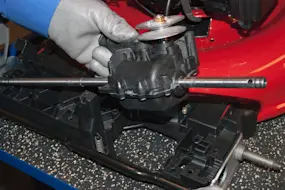
Inside the transmission, gears and parts can wear out or break. Listen for unusual noises when trying to engage. Remove the cover to inspect gears for damage or excessive wear. Replace any broken or worn parts. Clean any dirt or debris found inside the transmission.
Credit: www.searspartsdirect.com
Step-by-step Repair Procedures
Check the mower’s transmission belt and connections for damage or looseness. Clean or replace worn parts to restore proper engagement. Test the controls and adjust cable tension to ensure smooth operation.
Fixing a mower transmission that won’t engage can seem daunting, but with the right guidance, it becomes manageable. Whether you’re a seasoned DIY enthusiast or a beginner, following a step-by-step approach can save you time and frustration. Let’s dive into some practical repair procedures that can get your mower back in action.Replacing The Drive Belt
The drive belt is crucial for transferring power from the engine to the transmission. Over time, it can wear out or break. First, disconnect the spark plug to ensure safety. Locate the drive belt by removing the mower deck. Inspect the belt for any signs of damage or wear. If it’s frayed or cracked, replace it with a new one. Remember to ensure the new belt is properly aligned and tensioned to avoid future issues.Adjusting Or Replacing The Control Cable
The control cable connects your mower’s handle to its transmission. If it’s not adjusted correctly, the transmission might not engage. Check if the cable is loose or damaged. Adjust the tension by tightening or loosening the nuts at each end. If adjusting doesn’t work, consider replacing the cable entirely. This simple fix can make a significant difference in your mower’s performance.Changing Or Refilling Transmission Fluid
Low or dirty transmission fluid can cause engagement problems. Begin by locating the transmission fluid reservoir. Use the dipstick to check the fluid level and condition. If it’s low or looks dirty, drain the old fluid and refill with fresh fluid as per your mower’s specifications. Regular maintenance like this can prolong the life of your transmission.Repairing Or Replacing Gears
Worn or damaged gears can prevent your transmission from engaging. Inspect the gears for any visible damage. If they’re worn out, replacing them might be necessary. This task can be a bit tricky, so having a repair manual specific to your mower model can be helpful. Don’t hesitate to seek professional help if you’re unsure.Cleaning Transmission Parts
Dirt and debris can accumulate in your transmission, causing it to malfunction. Regular cleaning can prevent this. Use a clean cloth and a mild cleaning solution to wipe away grime from accessible parts. For deeper cleaning, carefully disassemble the transmission components. Always ensure parts are dry before reassembling to prevent rust. Regular cleaning not only improves functionality but also extends the lifespan of your mower. By tackling these tasks, you gain a better understanding of your mower’s inner workings. Have you ever considered how much money you save by doing these repairs yourself? The satisfaction of fixing something on your own is unmatched. Your mower will thank you with a smooth, efficient performance.Preventive Maintenance Tips
Keeping your mower’s transmission in good shape saves you time and money. Preventive maintenance helps avoid the frustration of a transmission that won’t engage. Small, regular efforts can keep your mower running smoothly and extend its life.
Regular Inspection Schedule
Set a consistent schedule to check your mower’s transmission and related parts. Look for worn belts, loose bolts, or fluid leaks. Catching issues early prevents bigger problems and costly repairs.
Try to inspect before and after heavy mowing sessions. Ask yourself: have I noticed any unusual noises or difficulty shifting gears? This habit can reveal hidden issues before they worsen.
Proper Lubrication Practices
Your mower’s transmission needs the right lubrication to work efficiently. Use the manufacturer-recommended oil or grease and apply it at the intervals specified in the owner’s manual.
Don’t over-lubricate, as excess grease can attract dirt and cause clogs. Think of lubrication as feeding your mower’s moving parts just enough to keep them healthy and flexible.
Avoiding Overloading
Overloading your mower stresses the transmission and can lead to failure. Avoid cutting grass that’s too tall or thick in one pass, especially if your mower isn’t designed for heavy-duty work.
Instead, mow in stages or trim the lawn more frequently. Have you noticed your mower struggling uphill or in dense patches? Let it rest or slow down to protect the transmission.
Storage And Seasonal Care
Proper storage protects your mower’s transmission during off-seasons. Clean the mower thoroughly, remove debris, and drain or stabilize fuel to prevent corrosion and gumming.
Store your mower in a dry, sheltered place. Ask yourself: did I prepare my mower to sit idle without damage? Good storage habits make startup easier and transmission issues less likely.
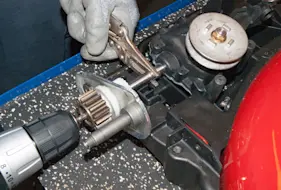
Credit: www.searspartsdirect.com
When To Seek Professional Help
Knowing when to seek professional help is key to fixing a mower transmission that won’t engage. Some issues need expert skills and tools. Trying to fix serious problems alone can cause more damage or risk injury. Understanding these signs can save time and money.
Complex Mechanical Failures
Transmission problems often involve many parts working together. If you hear strange noises or feel grinding, it might mean internal damage. Complex failures require detailed knowledge of mower mechanics. Professionals can diagnose and fix deep issues correctly.
Lack Of Proper Tools Or Experience
Fixing a mower transmission needs special tools and skills. Without them, you could worsen the problem or harm yourself. Professionals have the right equipment and training to handle repairs safely and efficiently.
Warranty And Safety Concerns
Many mowers come with warranties that may void if you repair them yourself. Repair shops follow safety rules and keep your warranty valid. Experts also ensure repairs meet safety standards to protect you during use.

Credit: www.youtube.com
Frequently Asked Questions
Why Won’t My Mower Transmission Engage Properly?
The mower transmission may not engage due to low fluid, a broken drive belt, or faulty linkage. Check fluid levels, inspect belts, and ensure all linkages are connected and functional.
How Can I Fix A Mower Transmission That Won’t Engage?
Start by checking transmission fluid and refilling if low. Inspect the drive belt for wear and replace if needed. Also, adjust or repair the transmission linkage to ensure proper connection.
What Causes A Mower Transmission To Fail Engagement?
Common causes include worn drive belts, low or dirty transmission fluid, damaged linkages, or internal transmission wear. Regular maintenance helps prevent these issues and keeps the transmission engaging smoothly.
Can Transmission Fluid Affect Mower Engagement?
Yes, low or contaminated transmission fluid can prevent engagement. Always check the fluid level and replace or refill with the manufacturer-recommended type to maintain proper transmission function.
Conclusion
Fixing a mower transmission that won’t engage takes patience and care. Start by checking the basics like cables and belts. Clean or replace parts that look worn or damaged. Test each step to see if the problem clears. Small fixes often solve the issue quickly.
Regular maintenance helps avoid future troubles. Keep tools and instructions close by for easy repair. A working mower saves time and effort on your lawn. Don’t rush; take your time to ensure safety and success.