Is your mower leaking gas from the cap? This problem can be frustrating and messy, but it’s something you can fix yourself.
If you don’t handle it, the leak can waste fuel and even cause safety issues. In this guide, you’ll discover simple steps to stop your mower’s gas cap from leaking. By the end, you’ll save money, protect your lawn mower, and get back to mowing without worries.
Keep reading to learn how to tackle this common issue quickly and easily.
Identifying Gas Cap Leaks
Spotting a gas cap leak on your mower is easier than you might think, but it requires careful attention. A leaking gas cap can cause fuel odors, reduce mower efficiency, and even pose safety risks. Knowing how to identify these leaks early helps you fix the problem before it worsens.
Common Signs Of A Leak
Look for wet spots or fuel stains around the gas cap area. You might notice a strong smell of gasoline, especially after running your mower.
Another sign is difficulty in starting the mower or inconsistent engine performance. These symptoms can signal that fuel vapors are escaping or the fuel system isn’t sealed properly.
Sometimes, small cracks or damage on the gas cap itself are visible. If the cap feels loose or doesn’t tighten properly, that’s a red flag too.
Safety Precautions
Always make sure the mower is off and cool before inspecting the gas cap. Gasoline is highly flammable, and checking a hot engine increases the risk of fire.
Work in a well-ventilated area to avoid inhaling harmful fumes. Wearing gloves can protect your hands from fuel exposure.
Keep sparks, flames, and smoking materials away from the mower during your inspection. Your safety comes first whenever you handle fuel-related parts.

Credit: www.reddit.com
Inspecting The Gas Cap
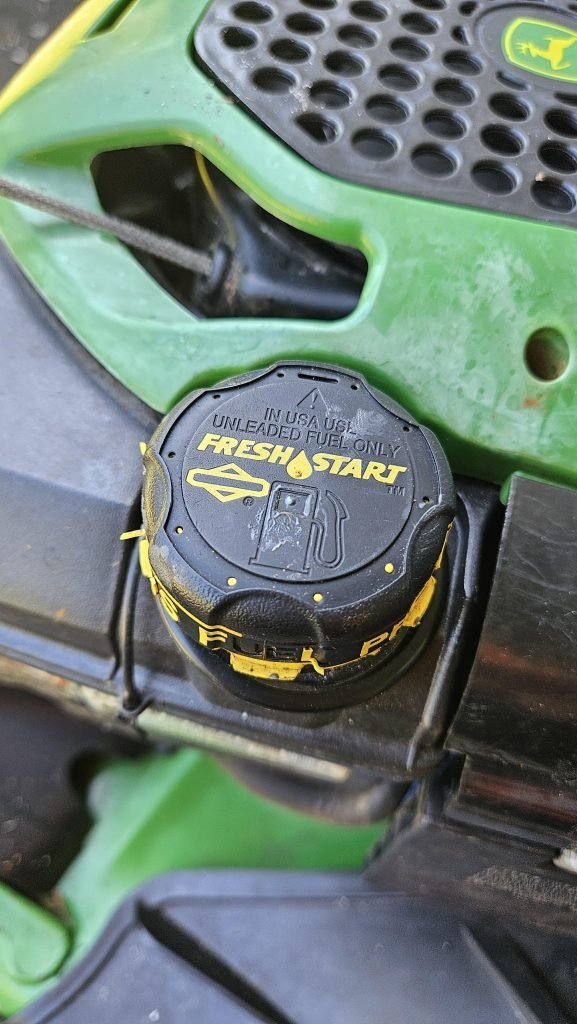
Inspecting the gas cap is essential when fixing a mower that leaks fuel. The gas cap keeps gasoline inside the tank and prevents spills. A damaged or worn gas cap can cause leaks and reduce mower performance. Careful inspection helps find issues early. This saves time and money on repairs.
Checking For Cracks And Damage
Start by looking closely at the gas cap surface. Check for cracks, dents, or broken parts. Even small cracks can cause gas to leak. Make sure the cap fits tightly on the tank. Any visible damage means the cap should be replaced. Use a bright light to see tiny cracks clearly.
Examining The Seal And Threads
The seal on the gas cap prevents gasoline from escaping. Check the rubber or plastic seal for wear or cracks. If the seal is hard or missing, gas may leak out. Inspect the threads on the cap and tank opening. Damaged or dirty threads stop the cap from tightening properly. Clean the threads gently with a brush. Replace the cap if threads are stripped or broken.
Cleaning The Gas Cap
Cleaning the gas cap is a crucial step to stop your mower from leaking fuel. Dirt and grime can prevent the cap from sealing properly, causing gas to escape. A clean gas cap ensures a tight seal and keeps your mower running safely and efficiently.
Removing Dirt And Debris
Start by inspecting the gas cap for visible dirt, grass clippings, or dust. Use a soft brush or an old toothbrush to gently remove any loose debris around the edges and inside the cap. Don’t forget to check the rubber seal, as small particles stuck here can cause leaks.
If you find stubborn dirt, dampen a cloth with water and wipe it away carefully. Avoid using sharp tools that could damage the cap or seal. Have you noticed how even tiny bits of grit can stop the cap from closing tightly?
Using Suitable Cleaning Agents
After removing loose dirt, clean the gas cap with a mild detergent mixed with warm water. Dip a cloth or sponge into the solution and wipe all surfaces thoroughly. This helps break down oily residues that water alone can’t remove.
Rinse the cap well with clean water to remove any soap residue. Avoid harsh chemicals like gasoline or solvents; they can degrade the rubber seal and plastic. A well-cleaned gas cap feels smooth and free of any sticky or oily patches.

Credit: www.reddit.com
Repairing Minor Gas Cap Issues
Gas leaking from your mower’s cap can be a minor issue. But it can cause bigger problems if ignored. Fixing these small issues early can save you time and money. Understanding the common causes and solutions is key. Here’s how you can tackle minor gas cap issues effectively.
Replacing The Seal
The seal under the gas cap can wear out over time. A worn seal allows gas to leak. To fix this, check the seal for cracks or wear. If damaged, replace it with a new one. You can find replacement seals at hardware stores. Make sure the new seal fits your gas cap model. This ensures a proper fit and prevents leaks.
Tightening Loose Caps
A loose gas cap is a common cause of leaks. If the cap isn’t tight, gas can escape. Ensure the cap is properly screwed on. Turn it clockwise until it’s secure. If it keeps coming loose, check the threads. Worn threads might need replacement caps. Consider buying a new cap if tightening doesn’t work. A secure cap helps keep your mower safe and efficient.
When To Replace The Gas Cap
Knowing exactly when to replace your mower’s gas cap can save you from messy leaks and potential engine problems. A leaking gas cap is more than just a nuisance—it can affect your mower’s performance and safety. Paying attention to specific signs and choosing the correct replacement will keep your mower running smoothly.
Signs Replacement Is Needed
Start by inspecting the gas cap closely. Look for cracks, missing seals, or warped plastic that might cause fuel to leak.
Does your mower emit a strong gasoline smell even after tightening the cap? That’s a clear sign the seal isn’t holding.
- Visible damage or wear on the cap
- Fuel leakage around the cap area
- Engine sputtering or running rough due to fuel vapor loss
- Difficulty securing the cap tightly
I once ignored a slightly loose gas cap and ended up with fuel dripping all over my garage floor. Replacing the cap immediately stopped the leak and saved me from a bigger mess.
Choosing The Right Replacement Cap
Not all gas caps fit every mower model. Check your mower’s manual or the old cap for part numbers.
Look for caps with proper sealing gaskets and venting features if your mower requires them. Venting prevents pressure buildup inside the tank, which can affect fuel flow.
| Feature | Why It Matters |
|---|---|
| Exact Fit | Prevents leaks by sealing tightly to your tank |
| Venting | Allows air flow, avoiding vacuum and improving fuel delivery |
| Durable Material | Resists cracking and weather damage over time |
Have you ever grabbed a generic gas cap only to find it didn’t sit right? That’s a waste of time and money. Investing in the right cap ensures you avoid future leaks and maintain your mower’s reliability.
Preventing Future Gas Leaks
Preventing future gas leaks from your mower’s gas cap is key to safe and efficient operation. Small leaks can cause fuel waste, engine problems, and safety hazards. Taking the right steps keeps your mower running smoothly and avoids costly repairs.
Regular Maintenance Tips
- Check the gas cap for cracks or wear regularly.
- Clean the gas cap seal to remove dirt and debris.
- Replace the gas cap gasket if it looks brittle or damaged.
- Tighten the gas cap securely after every refuel.
- Inspect the fuel tank opening for damage or rust.
Proper Storage Practices
- Store the mower in a dry, shaded area to prevent seal damage.
- Empty the gas tank or use fuel stabilizer before long storage.
- Keep the gas cap tightly sealed during storage.
- Avoid placing heavy items on the gas cap to prevent cracks.
- Check for leaks before starting the mower after storage.
Tools And Materials Needed
Fixing a mower leaking gas cap requires the right tools and materials. Having these ready makes the repair quicker and easier. You can avoid frustration and ensure a proper fix with the correct items on hand.
Below are the essential tools and materials needed to repair a leaking gas cap on your mower.
Basic Tools
- Screwdriver set – flathead and Phillips
- Pliers for gripping and turning
- Socket wrench for bolts
- Utility knife to cut seals
- Clean cloth for wiping surfaces
Replacement Parts
- New gas cap matching your mower model
- Replacement gasket or O-ring seal
- Fuel-resistant adhesive (optional)
Safety Equipment
- Protective gloves to avoid fuel contact
- Safety glasses to protect eyes
- Fire extinguisher nearby for emergencies

Credit: www.youtube.com
Frequently Asked Questions
Why Is My Mower Gas Cap Leaking Fuel?
A leaking gas cap usually means the seal is damaged or dirty. Check for cracks or debris on the gasket. Replace the gas cap if the seal no longer fits tightly to prevent fuel leaks and maintain mower efficiency.
How Can I Fix A Mower Gas Cap Leak?
Clean the gas cap and the fuel tank opening first. If the gasket is worn out or cracked, replace the gas cap. Ensure the new cap fits tightly to stop gas from leaking during operation.
Can A Loose Gas Cap Cause Mower Fuel Leaks?
Yes, a loose gas cap can cause fuel to leak. Always tighten the gas cap properly after refueling. A secure cap prevents gas evaporation and leakage, improving safety and mower performance.
How Do I Know If My Gas Cap Gasket Is Bad?
Look for cracks, brittleness, or missing pieces on the gasket. A damaged gasket won’t seal properly, leading to gas leaks. Replace the gas cap if the gasket shows visible wear or damage.
Conclusion
Fixing a mower leaking gas cap is easier than you think. Check the cap for cracks or dirt first. Clean or replace it to stop leaks quickly. A tight seal keeps gas inside and your mower safe. Regularly inspect the gas cap to avoid future problems.
Taking these small steps saves time and money later. Keep your mower running smoothly by caring for its parts. Simple fixes make a big difference in mower performance. Don’t let a leaking gas cap slow your work down.