Is your mower engine struggling to stay steady when idling? You’re not alone, and the good news is that you don’t have to be a mechanic to fix it.
A rough or uneven idle can make mowing frustrating and wear down your engine over time. But with a few simple steps, you can get your mower running smoothly again. Keep reading to discover easy, effective ways to solve mower engine idle issues and keep your lawn looking perfect all season long.
Credit: www.searspartsdirect.com
Common Causes Of Idle Problems
Idle problems with your mower engine can be frustrating, especially when you want quick and efficient lawn care. Understanding the common causes of idle issues helps you diagnose and fix the problem faster. Let’s look at some typical reasons why your mower might struggle to maintain a steady idle.
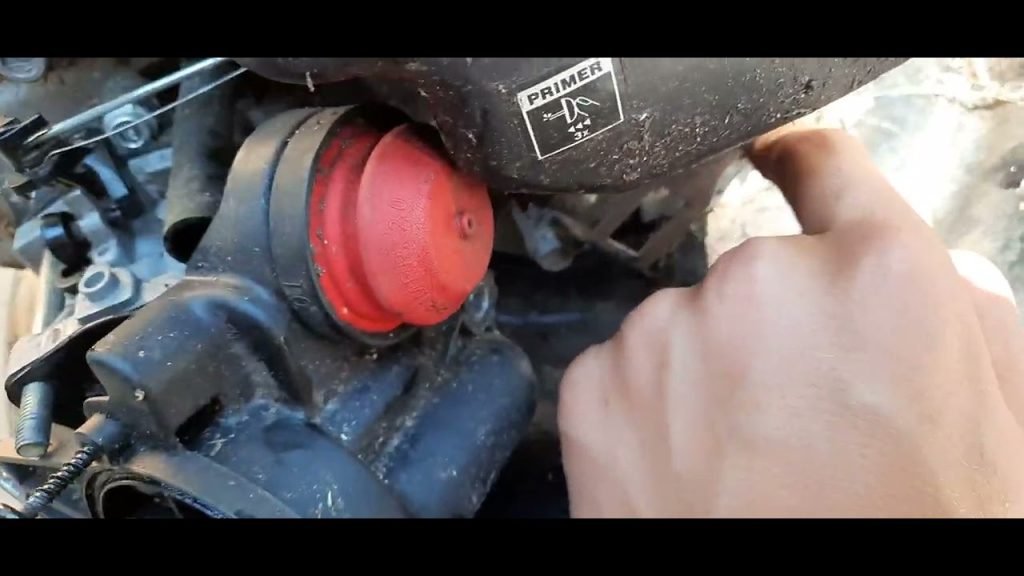
Dirty Carburetor
The carburetor mixes air and fuel for the engine. Over time, dirt and debris can clog its tiny passages, disrupting this balance. If your mower sputters or stalls when idling, a dirty carburetor could be the culprit.
Cleaning the carburetor often restores smooth idling. Have you checked if your carburetor has any visible gunk? A simple soak in carburetor cleaner can sometimes do wonders.
Clogged Air Filter
Your mower needs clean air to run properly. A clogged air filter restricts airflow, causing the engine to choke and idle roughly. Think about the last time you changed your air filter—could it be overdue?
Replacing or cleaning the air filter can improve airflow immediately. You’ll notice the engine running smoother and more steadily at idle.
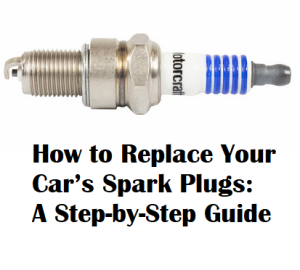
Faulty Spark Plug
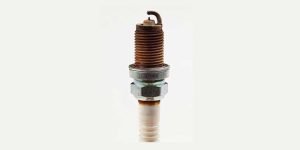
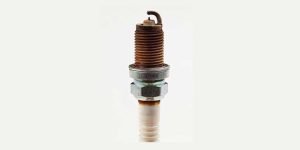
The spark plug ignites the fuel-air mixture in the engine. When it’s worn out or fouled, the spark weakens, leading to misfires and poor idling. Have you ever seen black or oily deposits on your spark plug?
Swapping out an old spark plug for a new one is quick and often fixes idle issues. It’s a small part that makes a big difference in performance.
Fuel Issues
Bad or stale fuel can cause your mower to hesitate or stall at idle. Gasoline breaks down over time, losing its ability to burn cleanly. When was the last time you used fresh fuel in your mower?
Draining old fuel and refilling with fresh gas can solve many idle problems. Adding a fuel stabilizer can also prevent future issues if you store your mower for a long time.
Tools And Materials Needed
Fixing mower engine idle issues requires the right tools and materials. Having these ready saves time and effort. It ensures the repair goes smoothly without interruptions. Below are the key items needed for the job.
Basic Tool Kit
- Screwdrivers (flathead and Phillips)
- Socket wrench set
- Pliers
- Adjustable wrench
- Spark plug wrench
- Clean cloth or rag
Replacement Parts
- New spark plug
- Fuel filter
- Air filter
- Carburetor gasket
- Idle adjustment screws (if applicable)
Cleaning Supplies
- Carburetor cleaner spray
- Compressed air can or air blower
- Small brush (like a toothbrush)
- Safety gloves
- Safety goggles
Step-by-step Fixes
Fixing mower engine idle issues often requires a few simple checks and repairs. These step-by-step fixes target common causes that affect engine performance. Each fix helps restore smooth idling and prevents stalling. Follow these clear instructions to get your mower running properly again.
Cleaning The Carburetor
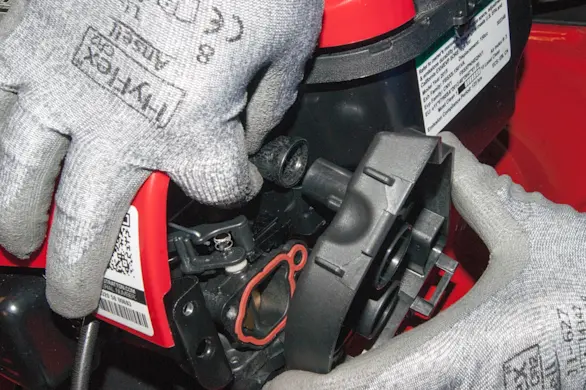
The carburetor mixes air and fuel for the engine. Dirt or debris can block the carburetor, causing idle problems. Start by removing the carburetor carefully. Use a carburetor cleaner spray to remove all build-up inside. Clean small parts like jets and passages with a thin wire or brush. Reassemble the carburetor and reinstall it onto the mower.
Replacing The Air Filter
A clogged air filter reduces airflow to the engine. This can cause rough or low idle. Remove the air filter cover and take out the old filter. Check for dirt, dust, and damage. Replace with a new air filter that fits your mower model. Secure the cover back in place and test the engine idle.
Changing The Spark Plug
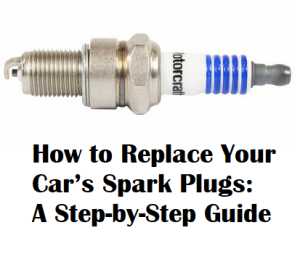
The spark plug ignites the fuel mixture in the engine. A worn or dirty spark plug causes poor idling. Remove the spark plug wire and use a spark plug socket to take out the plug. Inspect it for carbon deposits or wear. Install a new spark plug with the correct gap for your mower. Reattach the spark plug wire firmly.
Checking And Refilling Fuel
Old or low fuel levels affect engine performance. Drain any stale fuel from the tank and carburetor bowl. Fill the tank with fresh, clean gasoline. Use the correct fuel type recommended in the mower manual. Ensure fuel lines are not cracked or blocked. Proper fuel supply supports steady engine idle.
Adjusting The Idle Speed
Adjusting the idle speed on your mower engine can seem daunting, but it’s a task that most can tackle with confidence. The idle speed ensures that your mower runs smoothly without stalling or surging when you’re not actively cutting grass. If your mower engine is sputtering or stalling during idle, a simple adjustment might be all it takes to bring it back to optimal performance.
Locating The Idle Screw
First, you’ll need to find the idle screw on your mower engine. It’s typically located near the carburetor. You might need to consult your mower’s manual for the exact location, as it can vary depending on the model.
It usually looks like a small screw or bolt, often with a spring around it. This screw controls the amount of air that mixes with the fuel at idle.
Turning The Screw Correctly
Once you’ve located the idle screw, the next step is turning it to adjust the idle speed. Remember, small adjustments can make a big difference.
Start the mower and let it run. Use a flathead screwdriver to turn the screw clockwise to increase idle speed or counterclockwise to decrease it.
Make incremental turns and listen to the engine’s response. The goal is to achieve a smooth and steady idle.
Testing The Engine
After adjusting, it’s crucial to test the engine. Let it idle for a few minutes and observe. If it purrs steadily without sputtering or stalling, you’ve likely hit the sweet spot.
Try engaging the blades to ensure the engine maintains its idle when transitioning between idle and active use. If it falters, you may need to readjust the screw slightly.
Have you ever thought about how a small tweak can make such a significant difference? Adjusting the idle speed not only improves engine performance but also extends the life of your mower.
Preventive Maintenance Tips
Keeping your mower engine running smoothly starts long before it shows signs of trouble. Preventive maintenance can save you from frustrating idle issues and costly repairs. By paying attention to a few simple habits, you can extend your mower’s life and enjoy hassle-free mowing sessions.
Regular Cleaning Schedule
Dirt and debris can quickly clog your mower’s engine, affecting its ability to idle properly. Make it a habit to clean the mower after each use, especially around the air filter and carburetor areas. You might be surprised how much grass clippings and dust pile up in these spots, blocking airflow and causing idle problems.
Try using a soft brush or compressed air to remove buildup without damaging delicate parts. A clean engine breathes better and runs smoother, reducing the chances of stalling or uneven idling.
Using Fresh Fuel
Old or stale fuel is a common culprit behind rough idling. Gasoline starts to degrade within 30 days, leading to varnish deposits that gum up the carburetor. Have you ever noticed your mower sputtering after sitting unused for a while? That’s often the fuel breaking down.
Always fill your mower with fresh fuel before the season starts and avoid leaving fuel in the tank over the winter. Adding a fuel stabilizer can also help keep gas fresh longer, especially if you don’t use your mower frequently.
Routine Inspections
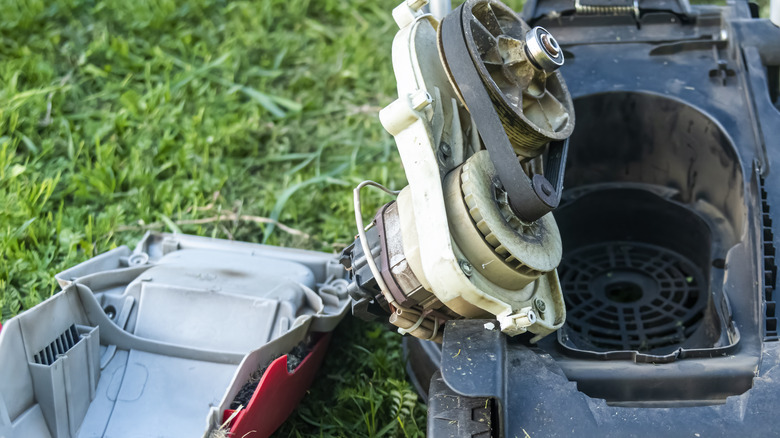
Inspecting your mower regularly helps catch small issues before they turn into engine idle headaches. Check the spark plug for signs of wear or carbon buildup, as a faulty plug can cause misfires and rough idling. Also, look over the fuel lines and filters to make sure nothing is cracked or clogged.
How often do you take time to look under the hood? Setting a routine inspection schedule, like once a month during mowing season, can help you notice problems early. This simple step can save you hours of troubleshooting later on.
Credit: www.housedigest.com
When To Seek Professional Help
Knowing when to seek professional help for mower engine idle issues saves time and prevents damage. Some problems need expert skills and tools. Trying to fix complex issues alone might cause more harm. Understanding signs that show a need for professional service helps keep your mower running smoothly.
Persistent Idle Issues
Idle problems that do not improve after basic checks need expert attention. Persistent rough idling or engine stalling are red flags. These issues might indicate deeper carburetor or fuel system troubles. A professional can diagnose and fix these problems accurately.
Complex Engine Problems
Issues like strange noises, smoke, or sudden power loss require a technician. Internal engine problems often need special tools and knowledge. Professionals can inspect and repair parts like valves, pistons, or spark plugs. Attempting such repairs without experience can be risky and costly.

Credit: www.reddit.com
Frequently Asked Questions
Why Is My Mower Engine Idle Rough?
A rough idle usually means a dirty carburetor or clogged fuel filter. Check and clean these parts. Also, inspect spark plugs and air filters for dirt or wear. Proper maintenance often fixes rough idle issues quickly.
How To Adjust Mower Engine Idle Speed?
Locate the idle speed screw on the carburetor. Turn it clockwise to increase idle speed or counterclockwise to decrease. Adjust slowly while the engine runs until the idle is steady and smooth. Consult your mower manual for exact screw location.
Can Bad Fuel Cause Engine Idle Problems?
Yes, old or contaminated fuel can cause poor idling. Drain stale fuel and refill with fresh gasoline. Using ethanol-free fuel helps prevent carburetor issues. Regularly changing fuel keeps the engine running smoothly at idle.
How Often Should I Clean The Mower Carburetor?
Clean the carburetor at least once per season or when idle issues appear. Frequent cleaning prevents clogging from dirt and old fuel. A clean carburetor ensures smooth engine idling and better performance.
Conclusion
Fixing mower engine idle issues can save time and money. Start with basic checks like cleaning the carburetor and adjusting the throttle. Keep your mower parts well-maintained to avoid future problems. Small fixes often bring big improvements. Stay patient and follow each step carefully.
Your mower will run smoothly and last longer. Regular care makes all the difference. Don’t ignore idle problems—they can get worse fast. Take action early and enjoy hassle-free mowing. Simple steps lead to great results.