Is your mower leaking fuel and leaving you worried about safety and performance? A fuel leak in your mower’s engine is not just messy—it can be dangerous and costly if ignored.
But don’t worry, fixing it might be easier than you think. You’ll discover simple, step-by-step solutions to stop that leak fast and get your mower running smoothly again. Keep reading to save time, money, and avoid bigger problems down the road.
Identify Fuel Leak Sources
Identifying the source of a fuel leak in your mower engine is the first and most important step to fixing it. A fuel leak not only wastes fuel but can also create safety hazards. Knowing exactly where the leak is coming from helps you focus your repair efforts effectively and prevents unnecessary parts replacement.
Check Fuel Lines And Hoses
Start by examining the fuel lines and hoses connected to the engine. Look for cracks, splits, or any signs of wear and tear. Even a tiny hole or loose clamp can cause fuel to drip or spray.
Press gently along the hoses to feel for weak spots that might not be visible. If the fuel lines feel brittle or soft, they likely need replacement. Don’t forget to check the connections at both ends, as loose fittings are a common culprit.
Inspect Fuel Tank And Cap
Next, turn your attention to the fuel tank and its cap. Check the tank for dents, rust, or punctures that might be leaking fuel. Sometimes, a cracked tank can be hard to spot without closely inspecting the surface.
The fuel cap can also cause leaks if its seal is damaged or if it’s not tightened properly. Try tightening the cap and inspect the rubber gasket for cracks or dryness. A faulty seal allows fuel vapors and liquid to escape.
Examine Carburetor And Fuel Filter
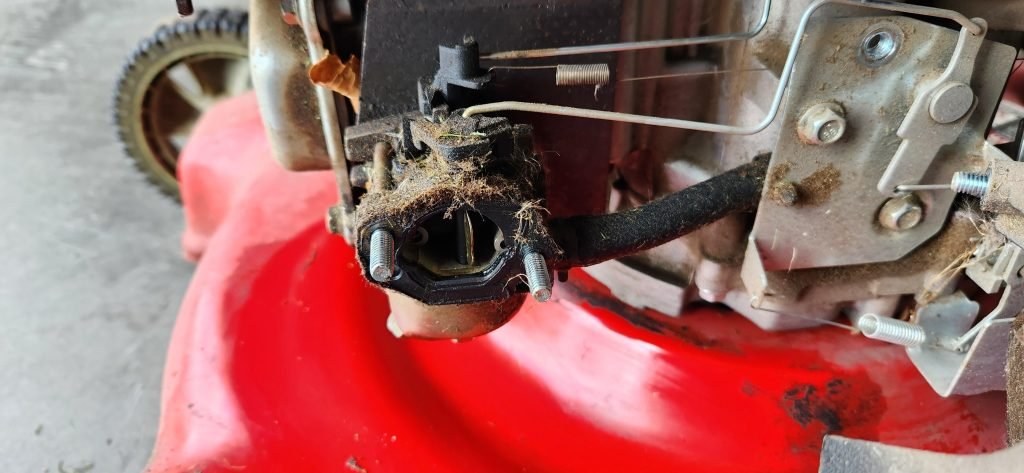
The carburetor is another common source of leaks. Look for signs of fuel pooling around it or smell for strong fuel odors when the engine is off. Loose bolts or damaged gaskets here can cause leaks.
Fuel filters may also drip if clogged or cracked. Inspect the filter housing and connections carefully. If you notice any wetness or damage, replacing the filter might solve the problem quickly.

Credit: www.reddit.com
Prepare For Repairs
Preparing for mower engine fuel leak repairs is important for a smooth process. Proper preparation saves time and prevents accidents. It also helps ensure the repair is done correctly and safely.
Gather Necessary Tools
Collect all tools before starting the repair. Common tools include:
- Screwdrivers (flathead and Phillips)
- Wrenches or socket set
- Pliers
- Rags or paper towels
- Fuel container to catch leaking fuel
- Replacement parts like gaskets or fuel lines
Having these tools ready keeps the work organized and efficient.
Ensure Safety Precautions
Safety is key when handling fuel leaks. Work in a well-ventilated area outdoors. Avoid open flames or sparks nearby. Wear gloves to protect your hands. Use eye protection to guard against fuel splashes. Keep a fire extinguisher close in case of emergencies. Stay alert and cautious throughout the repair.
Drain Fuel System
Remove fuel from the mower before fixing the leak. Turn off the engine and let it cool. Place a fuel container under the fuel tank or line. Carefully open the fuel valve or disconnect the fuel line to drain fuel. Dispose of old fuel safely according to local rules. Draining fuel reduces fire risk and makes repairs easier.
Fix Common Fuel Line Issues
Fixing common fuel line issues can prevent a mower from leaking fuel. This task is crucial for safety and efficiency. Many problems arise from the fuel line, a key component of the mower. Regular inspections and maintenance can identify issues early. Understanding how to fix these issues can save time and money.
Replace Cracked Or Damaged Hoses
Cracked or damaged hoses cause leaks. Inspect the fuel hoses for visible cracks or wear. If you find any, replace them immediately. Use a hose with the same diameter and length. Ensure it is fuel-resistant for durability. Properly fitted hoses prevent leaks and ensure smooth fuel flow.
Tighten Loose Clamps
Loose clamps can cause fuel to escape. Check all clamps on the fuel line. Use a screwdriver to tighten any loose ones. Ensure they are snug but not overtightened. This simple fix can often stop leaks. Regularly check the clamps as part of your maintenance routine.
Seal Small Leaks With Fuel-resistant Tape
Small leaks might be fixed with fuel-resistant tape. Clean the area around the leak first. Wrap the tape tightly around the hose. Make sure it covers the leak completely. This is a temporary fix. Plan to replace the hose soon for a permanent solution.
Repair Fuel Tank Problems
Repairing fuel tank problems is key to stopping fuel leaks in mower engines. Small cracks, worn caps, and rust spots often cause leaks. Fixing these issues keeps your mower safe and working well. Simple repairs can prevent fuel loss and fire hazards.
Patch Small Tank Holes
Locate the hole by cleaning the tank’s surface. Dry the area completely to prepare for patching. Use a fuel-resistant epoxy or patch kit for sealing. Apply the patch carefully, covering the hole fully. Let it cure as per instructions before use.
Replace Faulty Fuel Cap
Check if the fuel cap fits tightly and seals well. A damaged cap causes fuel to leak or evaporate. Buy a new cap that matches your mower model. Screw it on firmly to prevent air or fuel escape.
Clean Corroded Areas
Remove rust with a wire brush or sandpaper gently. Wipe off dust and debris from the tank surface. Use a rust converter or primer to stop further corrosion. Keep the tank dry and clean to avoid new rust spots.
Address Carburetor Leaks
Addressing carburetor leaks is key to stopping fuel from dripping or spraying out of your mower’s engine. The carburetor mixes air and fuel, so any leak here not only wastes fuel but can also cause engine performance issues or even fire hazards. Fixing these leaks requires a careful look at the carburetor’s parts and some simple adjustments you can make yourself.
Clean Carburetor Components
Dirt and old fuel deposits often clog carburetor parts, causing leaks. Start by removing the carburetor and carefully disassembling it. Use a carburetor cleaner spray to wash away grime from jets, needles, and passages.
Don’t rush this step. A clean carburetor runs smoother and seals better. If you’ve ever noticed your mower sputtering or leaking after sitting for a while, this cleaning might solve it.
Replace Gaskets And Seals
Gaskets and seals wear out over time and develop cracks or gaps. These small parts prevent fuel from escaping the carburetor. Inspect each gasket and seal closely and replace any that look damaged or brittle.
You can buy a gasket kit specific to your mower model. Installing new gaskets is usually straightforward and can stop leaks immediately. Have you checked your carburetor’s seals lately? They might be the simple fix you need.
Adjust Float Levels
The carburetor float controls fuel flow into the bowl. If the float is set too high, fuel can overflow and leak. Use a small screwdriver to bend the float tab slightly and set the correct fuel level.
Refer to your mower’s manual for the exact float height. This tiny adjustment can save you from constant fuel leaks. Have you ever realized how such a small part can cause such a big problem?

Credit: www.reddit.com
Test For Remaining Leaks
Testing for remaining leaks is crucial after repairing a mower engine fuel leak. This step ensures the repair worked well and prevents future hazards. Careful inspection helps keep the mower safe and efficient.
Refill Fuel And Monitor
Fill the fuel tank with fresh gasoline. Use a clean funnel to avoid spills. After refilling, watch the engine area closely for any signs of leaking fuel. Take your time to observe over several minutes.
Check For Drips And Odors
Look beneath the mower for any fuel drips. Use a clean cloth to wipe suspicious spots. Smell around the engine for strong fuel odors. A persistent smell may mean a hidden leak still exists.
Perform Engine Run Test
Start the mower engine and let it run at low speed. Listen for unusual sounds that may indicate fuel issues. Watch the fuel lines and connections as the engine runs. Shut off the engine immediately if you notice leaks or smells.
Prevent Future Fuel Leaks
Preventing future fuel leaks in your mower engine saves you time, money, and frustration. It’s not just about fixing the leak once but making sure it doesn’t come back. Small habits and smart choices can keep your mower running smoothly season after season.
Regular Maintenance Tips
Check your mower’s fuel lines regularly for cracks or wear. Replace any parts that look brittle or damaged before they cause leaks.
Cleaning the fuel cap and ensuring it seals tightly stops fuel from escaping. Don’t ignore unusual smells or stains around the engine—they often signal a hidden leak.
Have you ever skipped a quick inspection only to find a bigger problem later? Staying consistent with maintenance is your best defense.
Use Quality Fuel And Parts
Cheap fuel or parts might seem like a bargain, but they often lead to leaks and engine trouble. Use fresh, high-quality gasoline and buy replacement parts from trusted brands.
Old or contaminated fuel can gum up your system and damage seals. Consider adding a fuel stabilizer if you don’t use the mower often.
Think about how a simple choice, like the fuel you buy, affects your mower’s lifespan. Would you rather spend a little more now or fix a leak repeatedly?
Store Mower Properly
Always empty the fuel tank or run the mower dry before storing it for long periods. Stale fuel can cause blockages and leaks when you start it again.
Keep your mower in a dry, sheltered place to prevent rust on fuel lines and fittings. Cover it with a breathable tarp to avoid moisture buildup.
Have you noticed how the right storage can stop problems before they start? Treat your mower like any other valuable tool—it deserves care, especially when not in use.

Credit: www.youtube.com
Frequently Asked Questions
How Do I Identify A Mower Engine Fuel Leak?
Look for wet spots or fuel odors near the engine. Check fuel lines, tank, and carburetor for cracks or damage. Inspect seals and gaskets for wear. Early detection prevents fire hazards and engine damage.
What Causes Fuel Leaks In Mower Engines?
Fuel leaks often result from cracked fuel lines, loose clamps, or damaged gaskets. Old or improperly sealed fuel tanks can also cause leaks. Regular maintenance helps prevent these common issues.
Can I Fix A Mower Fuel Leak Myself?
Yes, minor leaks like loose clamps or cracked lines can be fixed at home. Replace damaged parts carefully and ensure proper sealing. For complex leaks, consult a professional to avoid safety risks.
How Do I Prevent Fuel Leaks In Lawn Mowers?
Regularly inspect fuel components for wear and tear. Replace old fuel lines and tighten clamps. Use fresh fuel and avoid overfilling the tank. Proper storage also reduces leak risks.
Conclusion
Fixing a mower engine fuel leak keeps your equipment safe and reliable. Check fuel lines and connections often. Replace worn or cracked parts quickly. Clean spills to avoid fire hazards. Regular care helps your mower last longer. Small leaks can cause big problems.
Take action early to save time and money. Keep your mower running smoothly all season. Simple steps make a big difference.