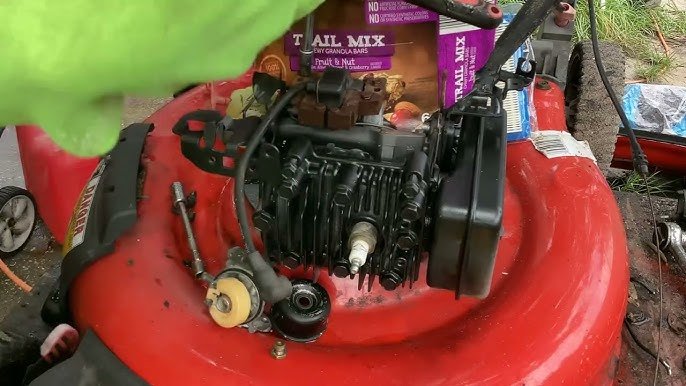
Is your mower engine flooding again? It’s frustrating when your mower won’t start, leaving your lawn care on hold.
But don’t worry—you can fix this common problem yourself. Understanding why your engine floods and learning simple steps to solve it will save you time and money. Keep reading, and soon your mower will be running smoothly, ready to tackle your yard with ease.
Causes Of Engine Flooding
Engine flooding happens when too much fuel enters the mower engine. This extra fuel stops the spark plug from igniting properly. The engine then struggles to start or won’t start at all. Understanding what causes flooding helps fix the problem quickly. Here are the main causes behind mower engine flooding.
Excess Fuel Issues
Too much fuel in the engine causes flooding. This happens if the choke stays on too long. It can also occur if the throttle is held at a high setting during starting. Fuel floods the combustion chamber and drowns the spark. The engine struggles to light up with this extra fuel.
Faulty Spark Plug
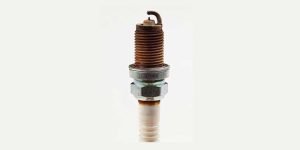
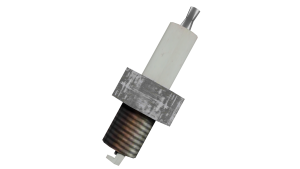
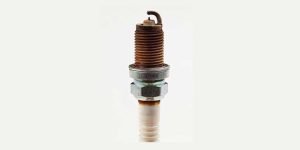
A worn or dirty spark plug can cause flooding. The plug may not create a strong spark to ignite fuel. This weak spark fails to burn the fuel properly. Fuel then builds up and floods the engine. Replacing or cleaning the spark plug helps prevent this issue.
Carburetor Problems
The carburetor controls the fuel flow into the engine. Dirt or damage can cause it to leak fuel. A stuck needle valve or float may let too much fuel pass. This leads to flooding inside the combustion chamber. Cleaning or repairing the carburetor fixes fuel overflow and flooding.

Credit: www.carburetor-parts.com
Signs Of A Flooded Engine
Recognizing the signs of a flooded mower engine helps prevent further damage. Early detection allows quick action to fix the issue. A flooded engine often shows clear symptoms. These signs tell you the engine has too much fuel and not enough air.
Hard Starting
The engine struggles to start or won’t start at all. You may hear the starter turn without the engine firing. This happens because excess fuel blocks the spark plugs from igniting. It feels like the engine is soaked inside with fuel.
Strong Fuel Smell
A strong smell of gasoline comes from the mower. This odor is stronger than usual and lingers near the engine. It shows that fuel is flooding the combustion chamber. The smell often means the engine is soaked with unburned fuel.
Engine Stalls
The engine runs briefly but then stops suddenly. It may stall soon after starting or while mowing. Too much fuel disrupts normal combustion, causing the engine to die. Frequent stalling is a clear sign of flooding in the engine.
Step-by-step Fixes
Fixing mower engine flooding requires careful attention to a few key parts. Each step focuses on removing excess fuel and restoring proper engine function. Follow the clear instructions below to get the mower running smoothly again.
Remove Excess Fuel
Start by disconnecting the spark plug wire for safety. Open the fuel tank and drain extra fuel into a container. Too much fuel in the engine causes flooding. Let the mower sit for 10 to 15 minutes to allow fuel to evaporate. Wipe any spilled fuel around the engine to prevent hazards.
Clean Or Replace Spark Plug
Remove the spark plug using a wrench. Check the spark plug for black, wet deposits that signal flooding. Clean the plug with a wire brush or replace it if damaged. Set the spark plug gap to the manufacturer’s specifications. Reinstall the plug tightly but avoid over-tightening.
Check And Clean Carburetor
Remove the air filter cover and take out the air filter. Inspect the carburetor for dirt and residue buildup. Use carburetor cleaner spray to clear jets and passages. Avoid spraying inside the engine. Reassemble the air filter and cover after cleaning. This step ensures proper air-fuel mix for engine start.

Credit: www.reddit.com
Prevent Flooding In Future
Avoid flooding by starting the mower correctly and not overusing the choke. Regular maintenance keeps the engine running smoothly and prevents future flooding.
Preventing mower engine flooding in the future is all about adopting the right habits and understanding your machine better. By focusing on a few key areas, you can save yourself the hassle of dealing with a flooded engine and ensure your mower runs smoothly each time. Let’s dive into some practical tips that can make a big difference.Proper Starting Techniques
Starting your mower correctly can prevent flooding. Make sure to read the manual specific to your model. This can provide insights into the ideal starting procedure. Avoid over-priming your mower. Press the primer bulb only the recommended number of times. More isn’t always better. If your mower has a choke, ensure it’s used correctly. Engage it for starting when the engine is cold, but remember to disengage it once the engine warms up.Regular Maintenance Tips
Regular maintenance can prevent many issues, including flooding. Clean or replace the air filter regularly. A clogged filter can cause the engine to run rich, leading to flooding. Check the spark plug condition and gap. A worn or improperly gapped spark plug can cause starting problems. Keep the carburetor clean. Residue build-up can affect fuel flow, increasing the risk of flooding.Fuel Quality And Storage
The fuel you use is crucial. Opt for fresh, high-quality gasoline. Stale fuel can lead to engine problems, including flooding. Store your fuel properly. Use a clean, sealed container and keep it in a cool, dry place. This prevents contamination and degradation. Consider adding a fuel stabilizer if you store fuel for extended periods. This can help maintain fuel quality, reducing the risk of engine flooding. By implementing these practices, you can avoid the frustrating experience of a flooded mower engine. What changes will you make to keep your mower in top shape?When To Seek Professional Help
Knowing when to seek professional help is important for fixing mower engine flooding. Some problems need expert skills and tools. Trying to fix these issues alone can cause more damage or be unsafe. Recognizing the signs that require a mechanic saves time and money.
Simple flooding issues can be fixed at home. But certain symptoms show it is time to call a professional. These experts have experience with mower engines and can find hidden problems quickly. They also have the right parts and equipment to make repairs.
Persistent Engine Flooding After Multiple Attempts
If the engine floods repeatedly despite your efforts, professional help is needed. This could indicate deeper fuel system or carburetor issues. Mechanics can diagnose and fix these problems thoroughly.
Difficulty Starting The Engine Or No Response
The mower does not start or shows no signs of life after flooding. This might be a sign of electrical or mechanical failure. Experts can test and repair these complex parts safely.
Fuel Smell Or Leaks Around The Engine
Strong fuel smell or visible leaks can be dangerous. Fuel leaks increase fire risk and damage mower parts. Professionals know how to handle fuel safely and fix leaks properly.
Unusual Noises Or Smoke From The Engine
Strange sounds or smoke during or after flooding need expert attention. These symptoms may signal engine damage or blocked air filters. Mechanics can inspect and resolve these issues effectively.
Lack Of Proper Tools And Knowledge
Fixing mower flooding might require special tools and parts. Without experience, repairs can be incomplete or harmful. Seeking a professional avoids mistakes and ensures the mower works well again.

Credit: www.lawnsite.com
Frequently Asked Questions
What Causes Mower Engine Flooding?
Mower engine flooding happens when excess fuel enters the combustion chamber. This usually occurs from repeated starting attempts or a faulty choke. Flooding prevents the engine from igniting properly, causing it to stall or fail to start.
How Can I Tell If My Mower Engine Is Flooded?
A flooded engine often smells strongly of gasoline and won’t start. The engine may crank but fail to ignite. You might also notice wet spark plugs or sputtering sounds during startup.
What Are The Best Steps To Fix Mower Engine Flooding?
First, let the engine sit to evaporate excess fuel. Next, remove and dry the spark plug. Open the throttle fully and try starting again. Avoid pressing the choke too much during startup.
Can Using The Choke Cause Mower Flooding?
Yes, excessive choke use can flood the engine by adding too much fuel. Use the choke sparingly and only during cold starts. Gradually reduce choke use as the engine warms up.
Conclusion
Fixing mower engine flooding takes patience and simple steps. Start by cleaning or replacing the spark plug. Let the engine dry before trying to start it again. Avoid pressing the choke too much. Regular maintenance helps prevent flooding in the future.
With care, your mower will run smoothly and last longer. Keep these tips handy for quick fixes. Your lawn mower can be ready to work whenever you need it. Easy to do. Saves time and money.