Is your lawn mower belt too loose and causing you trouble? A loose mower belt can make your mower work poorly or stop it from running altogether.
But don’t worry—you don’t need to be a mechanic to fix it. In this guide, you’ll learn simple, step-by-step ways to tighten your mower belt and get your mower back to perfect working order. Keep reading, and you’ll save time, avoid costly repairs, and enjoy a smoother mowing experience.

Credit: www.reddit.com
Signs Of A Loose Mower Belt
A loose mower belt causes several noticeable problems during operation. Detecting these signs early can prevent further damage to your mower. Recognizing the symptoms helps keep your lawn mower running smoothly and efficiently.
Unusual Noises
A loose belt often makes strange sounds. You may hear squealing or chirping while the mower runs. These noises happen because the belt slips over the pulleys. Pay attention to any high-pitched or grinding sounds.
Poor Cutting Performance
Your mower may cut unevenly or leave patches of long grass. A loose belt reduces blade speed, causing a rough cut. The mower might also struggle on thick or tall grass. This issue leads to an unsatisfactory lawn appearance.
Slipping Belt Symptoms
Look for belt slipping signs like visible belt movement or wobbling. The mower blades may stop spinning suddenly or slow down. Sometimes, the belt may even come off the pulleys. These symptoms indicate the belt needs tightening or replacement.
Common Causes Of Loose Mower Belts
Loose mower belts are a common issue that can disrupt your lawn care routine. Understanding what causes the belt to loosen helps you fix the problem faster and avoid repeated breakdowns. Let’s look at the typical reasons your mower belt might not be holding tight.
Belt Wear And Tear
Over time, mower belts naturally wear out. The rubber can crack, stretch, or become glazed, reducing its grip on the pulleys. If your belt looks shiny or has visible cracks, it’s likely losing tension and slipping during operation.
Think about how often you mow your lawn. Frequent use speeds up belt deterioration. If you’ve noticed your mower struggling on slopes or thick grass, worn belts might be the culprit.
Improper Installation
Sometimes the belt isn’t installed correctly from the start. If it’s routed the wrong way or not seated properly on the pulleys, it won’t maintain the right tension. This can cause slipping or the belt to come off entirely.
Have you checked the belt path against your mower’s manual? Even a small misalignment affects performance. Double-checking installation saves you from unnecessary repairs.
Loose Pulleys Or Tensioners
Loose pulleys or tensioners fail to keep the belt tight. If the tensioner spring is weak or the pulley bolts are loose, the belt won’t stay snug. This leads to slipping and uneven cutting.
Try moving the pulleys by hand—do they wobble? If yes, tightening or replacing these parts might be your next step. Don’t ignore these signs, or the belt will keep slipping no matter how new it is.
Tools Needed For Belt Adjustment
Adjusting a mower belt that’s too loose requires having the right tools on hand. Without them, you might struggle to get the belt tension just right, risking poor mower performance or even damage. Having a clear idea of what tools to gather before you start will save you time and frustration.
Basic Hand Tools
Start with a simple set of hand tools like screwdrivers, wrenches, and pliers. These are essential for loosening and tightening bolts that hold the mower belt in place. I once tried adjusting the belt without a proper wrench, and it took me twice as long because the bolts wouldn’t budge easily.
Make sure you have both flathead and Phillips screwdrivers, plus a socket set that fits your mower’s bolts. These tools help you access the belt housing and adjust the tensioner smoothly.
Belt Tension Gauge
A belt tension gauge is a handy tool that measures how tight your mower belt is. It takes the guesswork out of the process and ensures the belt is neither too loose nor too tight. You might overlook this tool, but using one can extend the life of your belt and improve mower efficiency.
If you don’t have a tension gauge, you might rely on manual checks, which can lead to inconsistent results. Investing in this small device pays off by giving you precise control over belt tension every time.
Replacement Belts
Sometimes the belt is too loose because it’s worn out or stretched beyond adjustment. Having replacement belts ready means you can swap out a faulty one without delay. Always check your mower’s model number before buying to ensure the new belt fits perfectly.
Don’t wait until you’re halfway through the repair to realize the belt is beyond saving. Keeping a spare belt handy makes your mower maintenance quicker and less stressful.
Step-by-step Belt Tightening
Tightening a mower belt requires careful attention and simple tools. Follow these clear steps to fix a belt that feels too loose. This process will help your mower run smoothly and cut grass evenly.
Locate The Belt And Pulleys
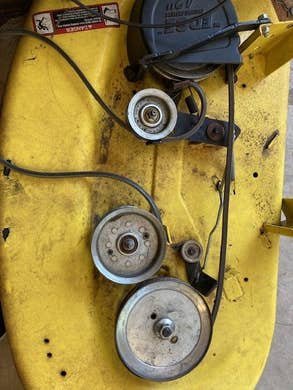
Start by finding the mower belt and pulleys. Remove any covers or guards to see them clearly. The belt usually wraps around several pulleys that drive the blades and wheels.
Look for signs of wear or damage on the belt. A loose belt will often slip off or cause poor mower performance.
Loosen The Tensioner
The tensioner keeps the belt tight. Locate the tensioner bolt or mechanism near the pulleys. Use a wrench or socket to slightly loosen it.
Loosening the tensioner allows you to adjust the belt’s position. Do not remove the bolt completely—just loosen it enough to move the belt.
Adjust Belt Tension
Pull the belt to increase its tension. The belt should be tight but not overly stretched. Check the mower manual for the correct tension measurement.
Use your hand to press the belt. It should have about half an inch of play. Adjust the tensioner to achieve this tension.
Retighten And Test
After adjusting the belt, retighten the tensioner bolt firmly. Ensure the belt stays in place and does not slip.
Lower any covers back onto the mower. Start the mower and observe the belt’s movement. It should run smoothly without slipping or noise.
When To Replace The Belt
Knowing when to replace your mower belt can save you time, money, and frustration. A belt that’s too loose can slip or break, affecting your mower’s performance. Recognizing the right moment to swap it out ensures your mower runs smoothly and efficiently.
Signs Of Belt Damage
Look closely at your belt for cracks, fraying edges, or shiny spots where the rubber has worn thin. If the belt feels glazed or hardened, it has lost flexibility and grip.
You might also notice slipping during mowing or a burning smell—both clear warnings. Sometimes, the belt can even make squealing noises under load, signaling it’s struggling.
Choosing The Right Replacement
Not all belts fit every mower. Check your mower’s manual or the old belt for part numbers and size details.
Opt for belts made from durable materials like reinforced rubber or Kevlar blends. These last longer and handle tension better.
Consider brands known for quality, even if they cost a bit more. A cheap belt may save money upfront but wear out quickly.
Proper Installation Tips
Before installing, clean the pulleys and check for any damage. A clean surface helps the belt grip properly.
Ensure the belt is seated correctly on all pulleys without twisting. Tighten the tensioner to recommended specs, but don’t over-tighten—it can cause premature wear.
Test the mower after installation. Listen for unusual noises and watch for slipping to confirm everything is set right.
Credit: www.youtube.com
Preventing Future Belt Issues
Keeping your mower belt in good condition is crucial for a smooth mowing experience. Loose belts can hinder performance and lead to costly repairs. Preventing future belt issues involves a few simple steps. Regular maintenance, proper storage, and periodic inspections help in maintaining belt health. These practices ensure your mower is always ready to perform its best.
Regular Maintenance Routines
Regular maintenance keeps your mower in top shape. Clean the deck and blades after each use. Remove any grass clippings or debris from the belt area. Lubricate moving parts to reduce friction. Check the belt tension regularly. Tighten or adjust as needed. This prevents slippage and extends belt life.
Proper Storage Practices
Store your mower in a dry, sheltered place. Avoid exposure to rain and sunlight. These elements can weaken the belt material. Use a cover if storing outdoors. Keep the mower on a flat surface. This prevents unnecessary strain on the belt. Disconnect the battery during long periods of inactivity. This prevents accidental starts and reduces belt wear.
Inspecting Belts Periodically
Inspect the belt every few weeks. Look for signs of wear, such as cracks or fraying. Replace the belt if you notice damage. Ensure the belt is aligned properly. Misalignment can cause uneven wear and tear. Check the pulleys for any obstructions. Clear any debris that may affect belt movement. Periodic inspections catch small issues before they become big problems.

Credit: www.reddit.com
Frequently Asked Questions
How Do I Know If My Mower Belt Is Too Loose?
A loose mower belt slips during operation, causing poor blade performance. You may hear squealing or see uneven cutting. Check belt tension by pressing it; it should feel firm with slight give.
What Causes A Mower Belt To Become Loose?
Mower belts loosen over time due to wear, stretching, or pulley misalignment. Dirt buildup and improper installation can also reduce belt tension, affecting mower efficiency.
How Can I Tighten A Loose Mower Belt?
Loosen the mower deck bolts or adjust the tensioner pulley. Move the mower deck or pulley to increase belt tension. Retighten bolts and check belt tension again for proper fit.
Can A Loose Mower Belt Damage The Mower?
Yes, a loose belt can slip and cause uneven blade rotation. It may damage pulleys, reduce cutting efficiency, and lead to premature belt wear or mower breakdown.
Conclusion
Fixing a mower belt that is too loose keeps your mower working well. Check the belt tension regularly to avoid problems. Tighten or replace the belt if needed. Proper belt care helps your mower cut grass smoothly. Small repairs save time and money in the long run.
Stay safe by turning off the mower before fixing it. A well-maintained mower makes lawn care easier and faster. Keep your mower ready for the next use. Simple steps can prevent bigger issues later.