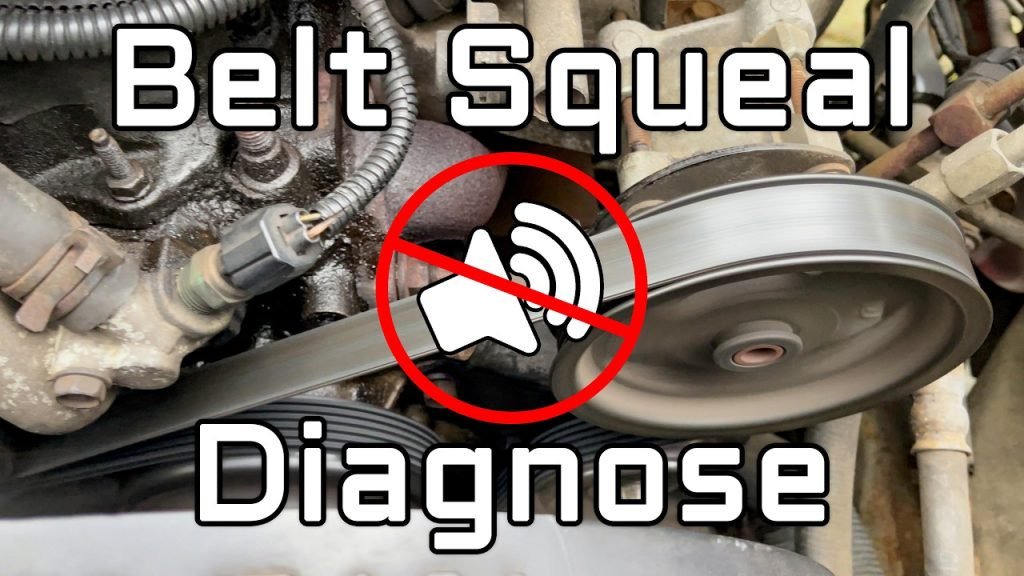
Is your mower making that annoying squealing noise every time you start cutting the grass? That high-pitched sound usually means your mower belt is slipping or worn out.
If you ignore it, the problem can get worse and even damage your mower. But don’t worry—you can fix this yourself quickly and save money on repairs. In this guide, you’ll learn simple, step-by-step ways to stop your mower belt from squealing and get your mower running smoothly again.
Keep reading to take control of the noise and enjoy a quieter, more efficient mowing experience.

Credit: www.reddit.com
Common Causes Of Mower Belt Squealing
Worn or damaged beltsoften cause mower belt squealing. Over time, belts become cracked or stretched. This makes them slip and create noise. Replacing the belt can stop the squeal.
Misaligned pulleysmake the belt run unevenly. This leads to rubbing and squealing sounds. Checking pulley alignment and adjusting it helps the belt run smoothly.
Loose belt tensionallows the belt to slip on pulleys. This slipping causes a high-pitched squeal. Tightening the belt to the right tension removes the noise.
Debris and dirt buildupon the belt or pulleys can create friction. This friction makes the belt squeal. Cleaning the belt and pulleys regularly prevents this problem.

Credit: m.youtube.com
Tools Needed For Belt Repair
Basic hand tools are essential for fixing a mower belt squealing. A wrench set helps loosen and tighten bolts. Screwdrivers assist in removing guards and covers. Pliers grip and hold parts securely. These tools make the process easier and faster.
Replacement belts must match the mower’s model and size. Always check the belt’s length and width before buying. Using the correct belt avoids slipping and squealing noises.
Cleaning supplies remove dirt and debris from belt and pulleys. A brush or cloth wipes away dust. Degreaser removes oil and grease buildup. Keeping parts clean helps the belt work smoothly.
Step-by-step Belt Inspection
Inspect the mower belt closely for cracks, wear, or looseness causing the squeal. Clean debris and adjust tension to stop noise. Replace the belt if damage is found for smooth mower operation.
Checking Belt Condition
Look at the mower belt closely. Check for cracks or frays. A worn belt can cause noise. Replace it if you see damage. A new belt works better. It makes the mower run smooth.
Examining Pulley Alignment
Check if the pulleys are straight. Misaligned pulleys make the belt squeal. Use a ruler to check alignment. Adjust the pulleys if needed. Proper alignment stops the noise. It also helps the belt last longer.
Assessing Belt Tension
Feel the belt tension with your hand. The belt should not be too tight. It should not be too loose either. Adjust the tension using the tensioner. Correct tension keeps the belt quiet. It also helps the mower work well.
Fixing Belt Alignment Issues
Check the pulleys carefully to see if they are lined up straight. Misaligned pulleys cause the belt to slip and squeal. Use a ruler or straight edge to check the alignment.
Loosen the bolts holding the pulleys in place. Gently move the pulleys so they line up perfectly with each other. Tighten the bolts securely after adjusting.
Adjust the belt position on the pulleys to make sure it sits evenly. A belt that is too loose or too tight can cause noise. The belt should have a little tension but still move smoothly.
- Inspect pulley alignment with a straight edge.
- Loosen and shift pulleys to align properly.
- Tighten bolts after adjusting pulleys.
- Check belt tension; adjust for smooth movement.
Adjusting Belt Tension
Loosening the tensioner allows the belt to move freely. Use a wrench or socket to loosen the bolt on the tensioner arm. This reduces pressure on the belt and stops squealing. Do not remove the bolt completely.
Setting the proper tension is key. The belt should have a little give but not be loose. Press the belt with your finger; it should move about half an inch. Too tight or too loose causes noise and wear.
After adjusting, secure the tensioner bolt tightly to hold the belt in place. Double-check the tension again to make sure it is correct. A secure tensioner keeps the belt running smoothly without slipping or squealing.
Replacing A Worn Or Damaged Belt
Start by turning off the mower and unplugging the spark plug. This stops the engine from starting by mistake. Find the belt cover and remove it using a wrench or screwdriver. Carefully take off the old belt from the pulleys. Look for cracks, frays, or worn spots on the belt. These signs show the belt needs replacement.
Slide the new belt onto the pulleys in the same path as the old one. Make sure it fits snugly and is not twisted. Tighten the belt cover back in place. Check the belt tension by pressing it gently; it should have a little give but not too loose.
Start the mower and listen for any squealing noise. Watch the belt move smoothly on the pulleys. If it slips or makes noise, check the tension again. Adjust the belt or pulleys if needed until it runs quietly and smoothly.
Cleaning And Maintenance Tips
Cleaning the mower belt regularly stops it from squealing. Dirt and debris can build up quickly. Use a brush or cloth to wipe the belt and pulleys. Avoid using water directly on the belt to prevent damage.
Lubricating moving parts helps keep the mower running smoothly. Use a light machine oil on the pulleys and bearings. Avoid putting oil on the belt itself, as it can cause slipping.
| Inspection Task | Frequency | What to Check |
|---|---|---|
| Belt Condition | Every 10 hours of use | Look for cracks, frays, or glazing |
| Pulleys and Bearings | Monthly | Check for wear and proper lubrication |
| Belt Tension | Before each use | Ensure the belt is tight but not too tight |
Preventing Future Belt Squealing
Store the mower in a dry place to protect the belt from moisture. Cold and damp conditions can cause the belt to crack or slip. Keep the mower away from direct sunlight to prevent belt hardening.
- Do not push the mower beyond its limits.
- Heavy grass or thick weeds can strain the belt.
- Cut grass regularly to avoid overloading.
Check the belt for wear and tear often. Clean the pulleys and belt to stop dirt build-up. Tighten the belt if it feels loose to avoid slipping and noise. Lubricate moving parts to help the belt run smoothly.

Credit: www.lawnsite.com
Frequently Asked Questions
Why Is My Mower Belt Squealing Loudly?
A mower belt squeals when it slips on the pulleys. This happens due to wear, poor tension, or debris. Regularly check the belt for damage and adjust tension to prevent noise and ensure smooth operation.
How Can I Stop Mower Belt Squealing Quickly?
To stop squealing, clean the belt and pulleys. Tighten or replace the belt if it’s loose or worn. Proper maintenance helps avoid slippage and noise during mowing.
What Causes Mower Belt To Slip And Squeal?
Belt slippage occurs from improper tension, worn belts, or greasy pulleys. Dirt buildup also reduces grip. Regular inspection and cleaning fix this issue effectively.
When Should I Replace A Mower Belt To Prevent Squealing?
Replace the belt if it’s cracked, frayed, or glazed. Worn belts lose traction and cause squealing. Timely replacement ensures smooth mower performance and noise-free operation.
Conclusion
Fixing mower belt squealing keeps your lawn mower running well. Check the belt for wear or damage often. Tighten or replace the belt if it slips or makes noise. Clean any dirt or debris around the belt area. Regular care helps avoid future problems and saves money.
A smooth-running mower means easier lawn work and less stress. Simple steps can extend your mower’s life and improve performance. Keep these tips handy for quick fixes anytime. Your mower will thank you with better, quieter operation.





