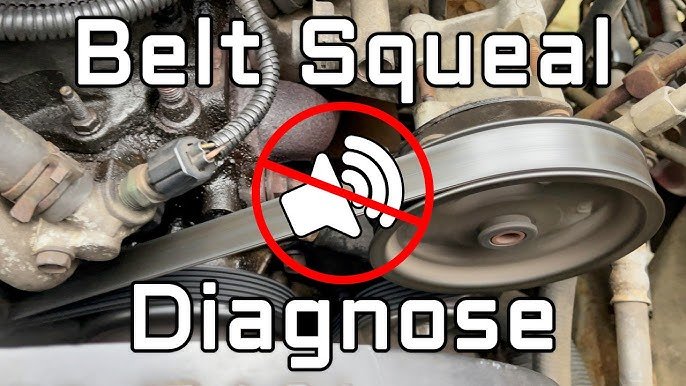
Is your mower making that annoying squealing noise every time you start it? That high-pitched sound from your mower belt can be frustrating and may even stop your work in its tracks.
But don’t worry—you don’t have to be a mechanic to fix it. You’ll learn simple, step-by-step tips to stop the squeal and get your mower running smoothly again. Keep reading, because solving this common problem is easier than you think, and your mower will thank you for it!

Credit: www.lawnsite.com
Causes Of Mower Belt Squealing
The squealing sound from your mower belt can be more than just an annoyance; it’s a warning sign that something isn’t right. Understanding what causes this noise helps you pinpoint the problem quickly and fix it before it leads to more costly damage. Let’s look closely at the common reasons why your mower belt might be squealing.
Worn Or Damaged Belt
A belt that is old or damaged often loses its grip, causing it to slip and create a high-pitched squeal. Cracks, fraying edges, or glazing on the belt’s surface reduce its effectiveness. If your belt looks shiny or has visible wear, it’s a clear sign that replacement is necessary.
Loose Belt Tension
If the belt isn’t tight enough, it slips against the pulleys and squeals. You might think a loose belt is easier on the mower, but it actually causes more friction and noise. Check your mower’s manual to adjust the tension correctly—too tight can also cause problems, so find the right balance.
Misaligned Pulleys
When pulleys don’t line up, the belt can run off track or rub unevenly, leading to squealing. This misalignment often results from wear or accidental bumps during mowing. Take a moment to inspect the pulleys visually; even slight shifts can cause major noise issues.
Debris And Dirt Build-up
Dirt, grass clippings, and debris stuck around the belt or pulleys can create extra resistance. This unwanted build-up causes the belt to slip or drag, producing a squealing sound. Cleaning these parts regularly not only stops the noise but also extends your mower’s life.
Tools And Materials Needed
Fixing a mower belt squeal starts with gathering the right tools and materials. Without them, the task can quickly become frustrating or even unsafe. Having everything on hand will save you time and help you tackle the problem with confidence.
Basic Hand Tools
You’ll need some common tools that you probably already have around the house. A wrench set is essential for loosening and tightening bolts holding the mower deck and belt in place. A screwdriver, preferably both flathead and Phillips, will help with smaller screws and covers.
Don’t forget pliers for gripping and pulling the belt if it’s stuck. A socket set can be handy for bolts that are hard to reach or too tight for a wrench. How often do you find yourself starting a fix without the right tools? Avoid that hassle here.
Replacement Belts
A worn or damaged belt is often the cause of squealing. Make sure you get the correct replacement belt for your mower model. Check your mower’s manual or look up the model number online to find the exact match.
Buying a belt that’s too tight or too loose won’t solve the problem and might cause more noise. Investing in a good quality belt can save you from repeated repairs. Have you checked your belt’s condition recently?
Cleaning Supplies
Dirt and debris can cause the belt to slip and squeal. Use a brush or compressed air to clean out the mower deck and pulleys. A rag or shop towels will help you wipe down greasy or dirty surfaces.
Sometimes, simply removing built-up grime can stop the noise. Keeping your mower clean doesn’t just improve performance—it extends its life. What dirt have you ignored that might be causing trouble?
Lubricants
Proper lubrication reduces friction and prevents squealing. Use a spray lubricant designed for mower parts or a light machine oil. Avoid heavy grease on belts themselves, as that can cause slipping.
Apply lubricant sparingly to pulleys and moving parts where metal rubs against metal. If you haven’t lubricated your mower recently, this simple step might fix the squeal. When was the last time you gave your mower a little TLC?
Inspecting The Mower Belt
Inspecting the mower belt is a crucial step to stop that annoying squealing noise. A simple look and feel can reveal issues that cause the belt to slip or rub incorrectly. Taking a few moments to carefully check the belt and its components can save you time and money down the road.
Checking Belt Condition
Start by closely examining the belt for cracks, fraying, or glazing. A worn-out belt often looks shiny or has visible splits along the edges. If you spot any damage, replacing the belt is the best choice to avoid further problems.
Sometimes, dirt or oil on the belt surface causes slipping and noise. Have you ever wiped a greasy belt and noticed the squeal disappear? Cleaning the belt with a dry cloth might be enough to fix the sound without a replacement.
Assessing Belt Tension
Proper belt tension is key to smooth operation. Too loose, and the belt slips; too tight, and it wears out prematurely. Press the belt at the midpoint between pulleys—you should feel a slight give, roughly half an inch.
If the belt feels too loose or too tight, adjust it according to your mower’s manual. Have you checked your belt tension recently? It’s easy to overlook but can instantly stop the squealing noise.
Examining Pulley Alignment
Misaligned pulleys cause the belt to rub unevenly, creating that persistent squeal. Use a straight edge or ruler to see if the pulleys line up perfectly. Even a small misalignment can cause noisy friction.
Check for bent or damaged pulleys, too. Sometimes the pulley itself needs replacing to restore proper belt tracking. Have you ever noticed your belt jumping off? That’s a sign the pulleys aren’t playing nicely together.
Adjusting Belt Tension
Tightening the mower belt can stop the squealing noise. Adjust the tension by loosening the bolts and moving the belt to the right tightness. Check the belt’s position and make sure it runs smoothly without slipping.
Adjusting the tension of your mower belt can silence squeals. A well-tensioned belt ensures smooth operation and extends the mower’s lifespan. Understanding this process is crucial for effective maintenance. This guide will walk you through the steps to adjust the belt tension properly.Locating The Tensioner
First, find the tensioner in your mower. It usually sits near the belt path. Check your mower’s manual if unsure. Look for a spring-loaded mechanism. This part adjusts the belt tension automatically. Make sure the area is clean and accessible. Dirt can obstruct your view and work.Tightening The Belt
Use a wrench to adjust the tensioner. Turn it to tighten the belt. Ensure the belt sits snugly on the pulleys. Avoid over-tightening. A too-tight belt can cause wear or break. Keep the tension balanced for optimal performance.Testing Belt Tension
Test the belt tension by gently pressing it. A properly tensioned belt moves slightly. Too much movement indicates looseness. Adjust again if necessary. Start the mower to test the belt in action. Listen for any squealing sounds. A quiet belt means your adjustment is successful.Replacing A Worn Or Damaged Belt
Replacing a worn or damaged mower belt can quickly stop that annoying squealing noise and get your mower back to working smoothly. A belt that’s cracked, frayed, or stretched won’t grip properly, causing slipping and noise. Swapping it out is easier than you might think, and it saves you from costly repairs down the line.
Removing The Old Belt
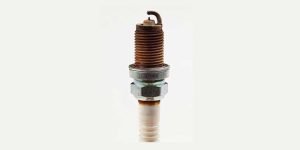
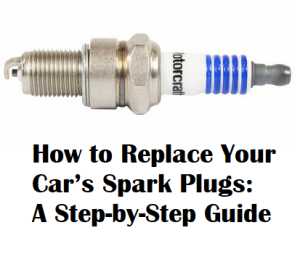
Start by disconnecting the spark plug to ensure safety. Then, locate the belt cover or guard and remove it using a screwdriver or socket wrench. You’ll often find the belt looped around pulleys; gently release tension by loosening the idler pulley or tensioner arm.
Once the tension is off, you can slide the old belt off the pulleys. Pay attention to how it’s routed, or take a clear photo—this will help when you install the new one. Have you noticed any debris or buildup around the pulleys? Cleaning these areas can prevent future belt issues.
Installing The New Belt
Compare the new belt with the old one to make sure the size and type match exactly. Begin threading the new belt around the pulleys following the original path or your photo. Keep the belt snug but don’t force it over the pulleys; forcing can damage the belt or the mower parts.
Next, reapply tension by adjusting the idler pulley or tensioner arm back into position. You want the belt tight enough to grip but not so tight it strains the motor. If your mower has a tension adjustment bolt, use it to fine-tune the fit.
Verifying Proper Installation
Before you put the cover back on, spin the pulley by hand to check the belt’s movement. It should move smoothly without slipping or catching. Listen carefully—any squealing or unusual noise at this stage means you might need to adjust the tension or check the belt’s alignment.
Once satisfied, secure the belt cover and reconnect the spark plug. Start the mower and watch the belt in action. If it runs quietly and stays in place, you’ve nailed the installation. What’s your experience with mower belts—any tips or tricks you’ve found helpful?

Credit: www.reddit.com
Cleaning And Lubricating Components
Cleaning and lubricating your mower’s components can dramatically reduce belt squealing. Dirt and grime cause extra friction, making belts slip and screech. Keeping parts clean and well-lubricated helps your mower run smoothly and quietly.
Removing Dirt And Debris
Start by turning off your mower and disconnecting the spark plug for safety. Use a brush or compressed air to clear away dirt, grass clippings, and debris from around the belt, pulleys, and deck. Even small particles can cause the belt to slip and squeal, so be thorough.
Check hard-to-reach spots carefully. I once ignored a clogged pulley and spent hours chasing a persistent squeal. After cleaning, the noise stopped immediately. Have you looked closely at your mower’s pulleys lately?
Lubricating Pulleys And Bearings
After cleaning, apply a small amount of lubricant designed for mower pulleys and bearings. Avoid using WD-40 or similar sprays that can attract more dirt or degrade rubber belts. Instead, opt for a silicone-based or lithium grease lubricant.
Focus on the pulley shafts and bearing points—these areas benefit most from lubrication. Rotate the pulleys by hand as you apply lubricant to ensure it spreads evenly. Proper lubrication reduces friction and prevents the belt from slipping and squealing under load.
Preventing Future Belt Squealing
Preventing mower belt squealing saves time and money. Keeping the belt in good shape avoids noisy and costly problems. Simple care habits extend the belt’s life and keep your mower running smoothly.
Regular Maintenance Tips
- Check belt tension often. Too tight or loose causes squealing.
- Clean belt and pulleys regularly to remove dirt and debris.
- Inspect belt for cracks or wear. Replace if damaged.
- Lubricate moving parts to reduce friction that can lead to noise.
- Align pulleys properly to avoid belt slipping and noise.
Proper Storage Practices
- Store mower in a dry, cool place to prevent belt damage.
- Keep mower off the ground to avoid moisture buildup.
- Cover mower with a breathable tarp to protect from dust.
- Remove the belt if storing mower long-term to reduce belt stress.
- Check belt condition before use after storage.

Credit: m.youtube.com
Frequently Asked Questions
Why Is My Mower Belt Squealing Loudly?
A mower belt squeals due to slipping or misalignment. Worn or loose belts cause friction, leading to noise. Check tension and pulleys for wear or damage. Proper adjustment stops squealing and ensures smooth operation.
How Do I Fix A Slipping Mower Belt?
To fix a slipping belt, first inspect tension. Tighten the belt if loose, or replace if worn. Clean pulleys to remove debris. Proper tension and clean parts prevent slipping and improve mower performance.
Can Worn Pulleys Cause Mower Belt Squealing?
Yes, worn or damaged pulleys create belt misalignment. This causes friction and squealing noises. Inspect pulleys regularly and replace if needed. Well-maintained pulleys extend belt life and reduce noise.
How Often Should I Replace A Mower Belt?
Replace the mower belt every 1-2 years or if cracked or frayed. Frequent use or rough conditions may require sooner replacement. Regular inspection helps catch wear early and prevents squealing or mower failure.
Conclusion
Fixing a mower belt squeal is easier than you think. Check the belt for wear or damage first. Tighten or replace it as needed. Clean any debris around the belt area. Make sure the pulleys spin freely and smoothly. Regular maintenance helps prevent future squealing problems.
A quiet mower runs better and lasts longer. Keep these steps in mind next time you hear that noise. Simple care saves time and money in the long run. Your mower will thank you.