Is your lawn mower belt slipping and causing frustration? You’re not alone.
A slipping mower belt can make your mower lose power, cut unevenly, or stop working altogether. But don’t worry—fixing it is easier than you think. You’ll discover simple, step-by-step tips to get your mower belt tight and working like new again.
Keep reading, and you’ll be back to mowing with confidence in no time.
Signs Of A Slipping Belt
A slipping mower belt affects your lawn mower’s performance. It causes poor cutting and can damage other parts. Knowing the signs helps you fix the issue early. Watch for these clear signals your mower belt is slipping.
Unusual Noises
A slipping belt often makes strange sounds. Listen for squealing or chirping during mowing. These noises come from the belt slipping on the pulleys. The sound usually gets louder when you increase engine speed.
Reduced Cutting Performance
Your mower may cut unevenly or miss patches of grass. The blades might slow down or stop spinning properly. This happens because the belt can’t transfer full power to the blades. You may need multiple passes to finish mowing.
Visible Belt Wear
Check the belt for cracks, fraying, or glazing. A worn belt loses grip and slips more easily. Look for shiny, smooth spots on the belt’s surface. These signs mean the belt needs replacement soon to avoid failure.

Credit: www.reddit.com
Common Causes
The mower belt slipping is a common issue that stops your mower from working well. Understanding the causes can help fix the problem quickly. Several factors can make the belt slip and reduce cutting efficiency.
Some causes are easy to spot, while others need a closer look. Identifying the exact reason will save time and money on repairs.
Worn Or Damaged Belt
A belt wears out over time and loses grip. Cracks, frays, or stretching make the belt slip. A damaged belt does not hold tight around the pulleys. Replacing a worn belt often solves slipping problems.
Loose Belt Tension
Belt tension must be just right. Too loose, and the belt slips off the pulleys. Over time, belts stretch and lose tension. Adjusting the tension keeps the belt tight and working smoothly.
Misaligned Pulleys
Pulleys guide the belt and keep it in place. If pulleys are not aligned, the belt slips or wears unevenly. Check pulley alignment and adjust to ensure the belt runs straight.
Debris And Dirt Buildup
Dirt and grass can collect on the belt and pulleys. This buildup reduces friction and causes slipping. Cleaning the belt and pulleys regularly prevents slipping and extends belt life.
Tools Needed For Repair
Fixing a mower belt that’s slipping requires more than just skill—it demands the right tools. Having everything ready before you start saves time and frustration. Let’s look at what you need to get the job done efficiently and safely.
Basic Hand Tools
Most mower belt repairs can be done with simple hand tools you likely already have. A set of screwdrivers—both flathead and Phillips—will help remove covers and guards. Wrenches or socket sets are essential for loosening bolts that hold the belt or pulleys in place.
Don’t forget pliers for gripping and adjusting small parts. Having a flashlight can also be a game-changer when working in tight, shadowed areas under the mower deck. Are you prepared with these essentials before diving into the repair?
Replacement Belt
A slipping belt usually means it’s worn out or stretched. You’ll need a replacement belt that matches your mower’s make and model exactly. Check your mower’s manual or the manufacturer’s website to find the correct part number.
Buying the right belt upfront prevents wasting time on trial and error. Think about how frustrating it is to install a belt only to find it doesn’t fit—getting the right one first makes all the difference.
Cleaning Supplies
Before installing a new belt, you need a clean working area. Dirt, grass clippings, and grease can cause slipping even with a new belt. Use a brush or rag to clear away debris from pulleys and the belt path.
Consider using a mild degreaser for stubborn grime, but avoid harsh chemicals that might damage parts. Keeping these cleaning supplies handy ensures your repair lasts longer and your mower runs smoother.
Step-by-step Repair Guide
Fixing a slipping mower belt might seem daunting, but it isn’t. With the right guidance, you can tackle this task confidently. Follow this step-by-step repair guide to get your mower running smoothly again.
Safety Precautions
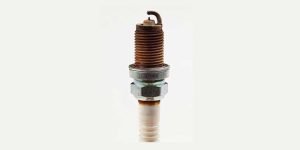
Ensure the mower is off and the spark plug removed. This prevents accidental starts. Wear gloves to protect your hands from sharp components. Always work in a well-lit area.
Removing The Old Belt
Locate the belt cover and unscrew it. Slide the old belt off the pulleys carefully. Note the belt’s path for easy installation later.
Inspecting Pulleys And Components
Check pulleys for wear or damage. Spin them to ensure they turn smoothly. Examine bearings and other moving parts.
Cleaning The Belt Area
Remove dirt and debris from the belt area. Use a brush or cloth to clean pulleys. A clean area ensures better belt performance.
Installing The New Belt
Place the new belt around the pulleys, following the correct path. Ensure the belt sits snugly in grooves. Double-check the alignment before proceeding.
Adjusting Belt Tension
Adjust tension according to the mower’s manual. A properly tensioned belt prevents slipping. Test the belt by rotating pulleys manually.
Preventive Maintenance Tips
Preventing your mower belt from slipping starts long before you notice any problems. Small, consistent actions keep your equipment running smoothly and save you from costly repairs. Paying attention to simple maintenance habits can make a big difference in how well your mower performs season after season.
Regular Cleaning
Dirt, grass clippings, and debris can quickly build up around your mower belt. This buildup causes friction and wear, making the belt more likely to slip. Take a few minutes after each use to clean the deck and belt area with a brush or compressed air.
Cleaning regularly also helps you spot any cracks or damage early. Have you ever found hidden debris that was causing your mower to lose power? That discovery can save a lot of headaches down the line.
Routine Belt Checks
Checking your mower belt isn’t just for when you hear strange noises. Inspect the belt for signs of wear like cracks, fraying, or glazing at least once a month during the mowing season. A worn belt loses tension and grip, leading to slipping.
Use your hand to feel the belt’s tension or consult your mower’s manual for the right tightness. If the belt feels loose, adjusting it right away can prevent bigger problems. Have you ever ignored a loose belt and ended up with a stalled mower mid-job? Catching issues early keeps you mowing without interruption.
Proper Storage
Storing your mower correctly plays a key role in belt longevity. Leaving the mower outside exposes the belt to moisture and sunlight, which can weaken the rubber over time. Instead, keep your mower in a dry, shaded place when not in use.
If you store your mower for the winter, remove the belt or at least release its tension to avoid unnecessary stretching. How often do you check your storage space for conditions that might harm your mower? A little attention here can extend the life of your belt significantly.

Credit: www.youtube.com
When To Seek Professional Help
Knowing when to seek professional help for a mower belt slipping is important. Some problems are simple and can be fixed at home. Others need expert skills and tools. Recognizing the signs can save time and prevent further damage to your mower.
Persistent Slipping Issues
Slipping belts that return after several fixes signal a deeper problem. Repeated slipping can damage other mower parts. Professionals can diagnose hidden causes like worn pulleys or misalignment. They have the right tools to fix these issues thoroughly. Avoid wasting money on temporary fixes that fail again.
Complex Mechanical Problems
Sometimes belt slipping links to complex mechanical faults. Problems with the engine, transmission, or blade assembly need expert attention. Professionals understand mower mechanics fully. They ensure all parts work together smoothly. Attempting these repairs without experience can be dangerous and costly.

Credit: www.reddit.com
Frequently Asked Questions
Why Is My Mower Belt Slipping Frequently?
A mower belt slips due to wear, improper tension, or debris buildup. Check for cracks and clean pulleys. Adjust belt tension to manufacturer specifications for optimal performance.
How Do I Adjust A Slipping Mower Belt?
Loosen the mower deck bolts and move the deck to tighten the belt. Re-tighten bolts once the belt has proper tension. Avoid overtightening to prevent damage.
Can A Worn Mower Belt Cause Slipping?
Yes, a worn or cracked belt loses grip, causing slippage. Replace the belt immediately if signs of wear appear to maintain efficient cutting.
How Often Should I Replace Mower Belts?
Replace mower belts annually or when wear signs are visible. Regular inspection and timely replacement prevent slipping and prolong mower life.
Conclusion
Fixing a mower belt slipping is easier than you think. Check the belt for wear or damage first. Tighten or replace the belt to stop slipping. Keep the pulleys clean and free from debris. Regular maintenance helps your mower work better and last longer.
Small steps can save you time and money. Stay patient and follow these simple tips. Your mower will cut grass smoothly again.