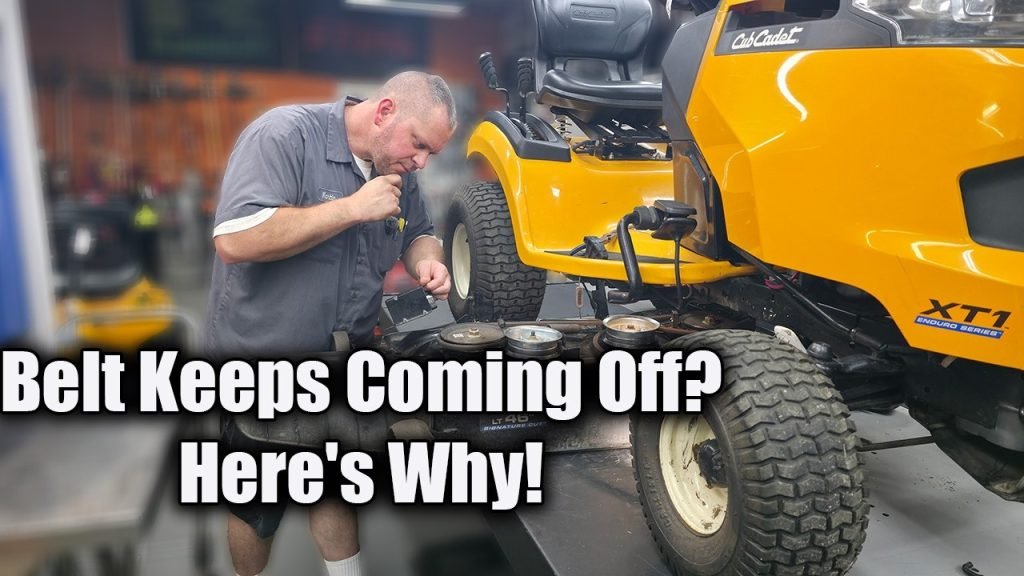
Is your mower belt slipping off again and again? It’s frustrating when your mower won’t work properly because the belt keeps coming loose.
But don’t worry—you can fix this yourself, even if you’re not a mechanic. You’ll learn simple, step-by-step tips to stop your mower belt from coming off. Keep reading, and soon your mower will run smoothly without any more belt troubles.

Credit: www.youtube.com
Common Causes Of Mower Belt Issues
Understanding the common causes of mower belt issues can save you time and frustration. Belts slipping off or breaking can bring your lawn care to a halt, but pinpointing the exact problem helps you fix it faster. Let’s dive into the usual suspects behind mower belt troubles and what you can do about them.
Worn Or Damaged Belts
Belts that show signs of wear or damage are a top cause of mower belt problems. Cracks, fraying edges, or glazing on the belt surface reduce grip and can cause slipping or complete detachment.
Have you ever noticed your mower belt looking shiny or cracked? That’s a clear signal it’s time for a replacement. Regular inspection can prevent unexpected breakdowns during your mowing sessions.
Misaligned Pulleys
Pulleys that are out of alignment force the belt to run unevenly, increasing wear and causing the belt to slip off. Even a slight shift in pulley position can disrupt the belt’s smooth path.
Check if your pulleys line up perfectly by eye or use a straight edge. If they don’t, adjusting or replacing the pulley can make a big difference in belt performance and longevity.
Loose Tensioner Springs
The tensioner spring keeps the belt tight enough to grip the pulleys properly. If the spring loses tension or breaks, the belt becomes loose and prone to slipping off.
You might feel the belt bouncing or see it sagging. Tightening or swapping out the tensioner spring restores the right pressure and keeps your belt in place.
Debris And Dirt Buildup
Dirt, grass clippings, and other debris can accumulate around pulleys and belts. This buildup reduces friction and can cause the belt to slip or come off entirely.
Have you cleaned under your mower deck lately? A quick cleanup with a brush or compressed air can remove debris and improve belt grip, extending the life of your mower’s belt system.
Tools Needed For Belt Repair
Fixing a mower belt requires the right set of tools. Having these tools ready makes the repair process smooth and fast. It helps avoid frustration and ensures the belt fits perfectly.
Basic Hand Tools
- Screwdrivers: Both flathead and Phillips for removing covers and guards.
- Socket Wrench Set: To loosen and tighten bolts holding the belt in place.
- Pliers: Useful for gripping and pulling the belt or components.
- Wrench Set: To adjust tensioners or remove pulleys if needed.
- Utility Knife: To cut the old belt if it is stuck or damaged.
Replacement Belts
Choose a belt that matches your mower’s model and size exactly. Check the mower manual or the old belt for part numbers. Using the correct belt prevents slipping and extends mower life.
Safety Gear
- Gloves: Protect your hands from sharp edges and dirt.
- Safety Glasses: Shield your eyes from debris or dust.
- Closed-Toe Shoes: Keep your feet safe while working with tools.
Step-by-step Belt Replacement
Begin by unplugging the mower for safety. Remove the cover and loosen the old belt carefully. Fit the new belt in place, ensuring it sits properly on all pulleys.
Replacing a mower belt can seem daunting, but with the right guidance, it’s a task you can handle efficiently. Knowing how to replace a mower belt step-by-step can save you time, money, and the hassle of taking your mower to a professional. Let’s dive into the detailed process, ensuring your mower runs smoothly for the next season.Preparing The Mower
Before you begin, ensure your mower is on a flat, stable surface. Turn off the engine and disconnect the spark plug to prevent any accidental starts. Gather the tools you’ll need: a wrench, a screwdriver, and your replacement belt. Check the mower deck for debris and clean it thoroughly. A clean deck makes it easier to see what you’re working with and prevents any unwanted surprises.Removing The Old Belt
Locate the belt by removing the mower deck if necessary. Use your wrench to loosen the bolts securing the deck, allowing you to access the old belt. Carefully slide the old belt off the pulleys. Notice any wear or damage on the belt—this will help you understand if there are recurring issues.Installing The New Belt
Take your new belt and loop it around the pulleys, following the same path as the old belt. Ensure the belt is aligned correctly and not twisted. Tighten any bolts or screws you loosened earlier, securing the deck back to its original position. Double-check the belt’s path to make sure it matches the diagram in your mower’s manual.Adjusting Belt Tension
Proper tension is crucial for the belt to function effectively. If your belt is too loose, it can slip off; too tight, and it might snap. Use the tension adjustment mechanism, if available, to make necessary adjustments. Test the tension by gently pressing on the belt; it should have a little give but not too much. Think about the last time your belt slipped off—could improper tension have been the cause? By ensuring everything is in place, you set yourself up for a hassle-free mowing experience.
Credit: www.reddit.com
Fixing Belt Alignment Problems
Fixing belt alignment problems is key to keeping your mower running smoothly. A misaligned belt can slip off, causing frustration and delays in your yard work. Addressing alignment issues early prevents wear and tear on your mower’s components and saves you time on repairs.
Checking Pulley Alignment
Start by inspecting the pulleys that guide your mower belt. Look closely to see if they line up in a straight path. Use a ruler or straight edge to check if the pulleys are parallel and in the same plane.
If the pulleys aren’t aligned, the belt can easily slip off or wear unevenly. Also, inspect the pulleys for any damage like bends or cracks, which can affect alignment. Have you noticed uneven wear on your belt? That’s often a sign pulleys need checking.
Realigning Pulleys
If you find the pulleys out of alignment, you need to adjust them carefully. Loosen the mounting bolts slightly to move the pulley into the correct position. Use your straight edge again to confirm the pulleys line up before tightening the bolts back.
Sometimes, shims or washers can help adjust pulley height for perfect alignment. Be patient and make small adjustments at a time. The goal is for the belt to run straight without wobbling or rubbing on the pulley edges.
Securing Loose Components
Loose parts can cause pulleys to shift and belts to come off unexpectedly. Check all bolts, nuts, and screws holding the pulleys and belt guides in place. Tighten anything that feels loose or rattles when you shake it gently.
Don’t forget to inspect the tensioner if your mower has one. A loose or weak tensioner won’t keep the belt tight and aligned. Ensuring every component is secure can stop frequent belt derailments and extend the life of your mower.
Maintaining Your Mower Belt
Maintaining your mower belt is essential to keep your lawnmower running smoothly and to prevent the frustration of unexpected breakdowns. A well-maintained belt lasts longer and reduces the chances of it slipping or coming off. Simple, regular care can save you time and money on repairs.
Regular Cleaning
Dirt, grass clippings, and debris can build up on your mower belt and pulleys, causing the belt to slip or wear out faster. Use a brush or compressed air to clear away any buildup after every few uses. Avoid using harsh chemicals that might degrade the belt material.
Cleaning not only keeps the belt in good shape but also helps you spot any early signs of damage or wear. Have you noticed how a quick cleanup can sometimes solve performance issues without needing replacement parts?
Periodic Inspections
Check your mower belt regularly for cracks, fraying, or stretching. A belt that looks shiny or glazed on the underside likely has lost its grip and needs replacement. Inspect the belt tension, too—too loose or too tight can both cause problems.
Make it a habit to look over your mower belt at least once a month during the mowing season. Catching small problems early can prevent the belt from snapping during use. Have you ever had your mower stop suddenly because of a worn belt? Avoid that hassle with routine checks.
Proper Storage Tips
Storing your mower in a dry, sheltered place protects the belt from weather damage and extreme temperatures. Moisture can cause belts to weaken or develop mold, while heat can dry out the rubber, making it brittle.
If you know you won’t be using your mower for a while, loosen the belt or remove it to prevent unnecessary tension. Simple storage steps can extend the life of your belt significantly. Where do you keep your mower during the off-season? Choosing the right spot can make a big difference.
When To Seek Professional Help
Knowing when to seek professional help can save you time, money, and frustration when dealing with a mower belt that keeps coming off. While some fixes are simple and can be done on your own, certain situations require expert attention to ensure your mower runs safely and efficiently.
Complex Belt Systems
If your mower has a complex belt system with multiple pulleys and tensioners, it might be tricky to diagnose and fix the problem without specialized tools and knowledge. Attempting repairs without understanding the full belt routing can lead to incorrect installation and further damage.
Professionals have the experience to handle these intricate setups and can quickly identify issues that aren’t obvious. Have you ever tried to untangle a complicated bike chain? Fixing complex belts is similar—it’s easy to get things wrong if you don’t know the exact path.
Persistent Belt Slippage
When your mower belt slips off repeatedly despite your adjustments, it signals a deeper issue like worn-out pulleys, misaligned components, or a stretched belt. Fixing slippage often requires precise alignment and sometimes replacing other parts to restore proper tension.
If you’ve tightened the belt several times and it still won’t stay in place, it’s time to get professional help. Ignoring persistent slippage can cause premature wear on the belt and mower parts, leading to costly repairs.
Safety Concerns
Dealing with mower belts involves working close to moving parts and sharp blades, which can be dangerous if you’re not careful. If you’re unsure about the repair process or don’t have the right safety equipment, it’s better to leave it to a professional.
Your safety should always come first. Have you ever felt unsure about a repair and worried about getting hurt? That’s a clear sign to stop and seek expert assistance rather than risking injury.

Credit: www.youtube.com
Frequently Asked Questions
Why Does My Mower Belt Keep Coming Off?
A mower belt may come off due to wear, misalignment, or debris buildup. Regularly inspect the belt and pulleys for damage. Ensure proper tension and clean the deck to prevent slippage and improve belt life.
How Do I Fix A Mower Belt Slipping Off?
Check belt tension and adjust if too loose. Clean pulleys and remove debris. Replace worn or damaged belts promptly to maintain proper operation and prevent slippage.
Can A Worn Mower Belt Cause It To Come Off?
Yes, worn belts lose grip and can slip off pulleys. Replace belts showing cracks, fraying, or glazing to ensure smooth mower function and avoid breakdowns.
How Often Should I Replace My Mower Belt?
Replace the mower belt annually or after 50 hours of use. Inspect it regularly for signs of wear to maintain optimal mower performance.
Conclusion
Fixing a mower belt that keeps coming off can save time and money. Check the belt for wear and tear first. Tighten or replace it if needed. Make sure the pulleys are clean and aligned well. Regular mower care helps avoid future problems.
Stay safe by turning off the mower before fixing it. With these simple steps, your mower will run smoothly again. Keep your lawn looking neat all season long.