Is your lawn mower refusing to start just when you need it most? It’s frustrating, especially when your yard is waiting to be trimmed.
But don’t worry—you don’t have to call a repair person or buy a new mower right away. You can fix this yourself with a few simple checks and easy steps. You’ll discover clear and practical solutions that will get your mower running smoothly again.
Keep reading, and you’ll be back to mowing in no time.
Check The Fuel System
Checking the fuel system is a key step to fix a lawn mower that won’t start. Fuel issues often stop the engine from running. Simple checks can save time and money. Start by making sure the mower has enough fuel. Then check if the fuel is fresh and clean. Finally, inspect the fuel filter for dirt or blockage. Each of these parts plays a role in keeping the mower running smoothly.
Inspect Fuel Level
Look at the fuel tank to see the fuel level. A mower needs enough fuel to start and run. Running out of gas is a common problem. Fill the tank with fresh fuel if it is low. Avoid guessing the amount. Use a clear view or a dipstick to check the fuel level.
Replace Old Fuel
Old fuel can cause the mower not to start. Gasoline breaks down over time and loses power. Drain any fuel that is older than 30 days. Refill the tank with fresh fuel. Use fuel with the right mix if your mower needs it. This step often solves starting issues quickly.
Clean Fuel Filter
The fuel filter stops dirt from reaching the engine. A dirty filter blocks fuel flow. Remove the fuel filter carefully. Check if it looks dirty or clogged. Clean it with a solvent or replace it if needed. A clean filter helps the engine get enough fuel to start.

Credit: www.youtube.com
Examine The Spark Plug
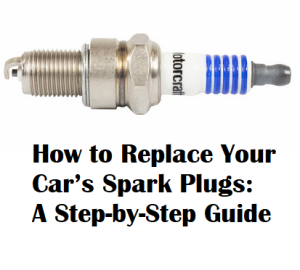
The spark plug is a small but crucial part of your lawn mower’s engine. If your mower won’t start, the spark plug is often the culprit. Examining it closely can save you a trip to the repair shop and get your mower running again quickly.
Remove And Inspect Plug
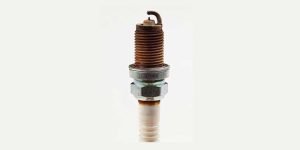
First, locate the spark plug on your mower’s engine. Use a spark plug wrench to carefully remove it. Check the plug for obvious damage like cracks or heavy buildup of dirt and oil.
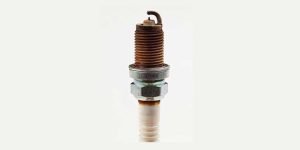
Look for signs of wear, such as a black, sooty coating or a white, chalky residue. Both can stop the spark from igniting the fuel-air mixture. If the plug looks damaged or too dirty, it won’t work properly.
Clean Or Replace Plug
If the spark plug is just dirty, you can clean it with a wire brush or some fine sandpaper. Be gentle to avoid damaging the electrode. After cleaning, wipe it with a clean cloth and dry it thoroughly.
Sometimes cleaning isn’t enough. If the plug is old or worn out, replace it with a new one that matches your mower’s specifications. Using the right plug ensures the engine runs smoothly and starts easily.
Check Spark Plug Gap
The gap between the electrodes on the spark plug must be just right. Too wide or too narrow, and the spark may be weak or nonexistent. Use a spark plug gap tool to measure the gap.
Refer to your lawn mower’s manual for the correct gap size. Adjust the gap by gently bending the side electrode until it matches the recommended measurement. This small adjustment can make a big difference in starting your mower.
Inspect The Air Filter
Inspecting the air filter is a crucial step when your lawn mower won’t start. A clogged or dirty air filter can choke the engine, making it hard or impossible to turn over. Taking a moment to check this simple component might save you a costly repair or replacement.
Remove And Check Filter
Start by locating the air filter cover on your mower. Usually, it’s held in place with clips or screws, so have a screwdriver handy. Carefully remove the cover and take out the air filter.
Look closely at the filter’s surface. Is it covered in dirt, grass clippings, or dust? If the filter looks clogged or dark, it’s a sign that air can’t flow freely to the engine. Even a small amount of debris can cause starting problems.
Clean Or Replace Filter
If your filter is just dusty, you can often clean it. Tap it gently to remove loose dirt or use compressed air to blow debris away. Washing a foam filter with soap and water works too—just make sure it’s completely dry before reinstalling.
But sometimes cleaning won’t do the trick. If the filter is torn, soaked in oil, or heavily clogged, it’s time to replace it. New filters are inexpensive and can make a big difference in performance.
Have you checked your air filter lately? It’s surprising how often this simple step fixes mower problems that seem much more complicated.

Credit: www.youtube.com
Assess The Battery And Electrical Components
Before you dive into complicated fixes, it’s smart to check the battery and electrical parts of your lawn mower. These components often cause starting issues, and the solution might be simpler than you think. Knowing how to test and inspect these parts saves you time and money.
Test Battery Charge
Start by measuring the battery’s charge with a multimeter. A healthy battery should read around 12.6 volts or more when fully charged.
If the voltage is low, try recharging the battery first. Sometimes, the battery just needs a good charge rather than a replacement.
Have you checked your battery’s age? Most mower batteries last 3-5 years. If yours is older, it might be time to replace it even if it shows some charge.
Check Wiring And Connections
Loose or corroded connections can stop your mower from starting. Look closely at all wires, especially those connected to the battery and ignition system.
Clean any corrosion with a wire brush and ensure all terminals are tight. Even a small loose wire can interrupt power flow.
Don’t forget to inspect the wiring insulation. Frayed or damaged wires can cause shorts and prevent your mower from starting.
Inspect Safety Switches
Safety switches are designed to prevent accidents but can sometimes malfunction and stop your mower from starting.
Check common switches like the seat switch, brake/clutch switch, and blade engagement switch. Make sure they click properly and aren’t stuck or broken.
Try bypassing a suspect switch temporarily to see if the mower starts. If it does, that switch likely needs replacement.
Evaluate The Carburetor
The carburetor plays a crucial role in your lawn mower’s ability to start and run smoothly. It mixes air and fuel in the right proportions before the engine ignites. If your mower won’t start, the carburetor is often the culprit, especially if it’s clogged or misadjusted.
Take a close look at the carburetor to spot any dirt, debris, or settings that might be off. Cleaning and adjusting it can often bring your mower back to life without needing expensive repairs or replacements.
Clean Carburetor Jets
Carburetor jets are tiny passages where fuel flows through. Over time, these jets can get clogged with dirt, old fuel, or debris, blocking the fuel supply. This causes your mower to struggle or fail to start.
Remove the carburetor and use a carburetor cleaner spray to clear out the jets. If the jets are stubborn, a thin wire or needle can help unclog them gently. Make sure to wear gloves and work in a well-ventilated area to avoid inhaling fumes.
After cleaning, check if the jets are free by blowing air through them or using compressed air. A clean jet ensures fuel flows smoothly, which is key to starting your mower quickly.
Adjust Carburetor Settings
Carburetors have screws that control the fuel-to-air ratio. If these settings are off, the engine may flood with fuel or run too lean, preventing it from starting properly. Adjusting these screws can fix starting issues.
Locate the idle and mixture screws on your carburetor. Turn them slowly—usually clockwise to lean the mix and counterclockwise to richen it. Small adjustments can make a big difference, so be patient and test your mower after each tweak.
Ask yourself: Does the engine sputter or stall when you try to start it? This often signals a carburetor setting problem. Fine-tuning these adjustments improves engine performance and helps your mower start right away.
Check The Engine Oil
Check the engine oil level before starting the mower. Low or dirty oil can prevent the engine from running properly. Keep the oil clean and filled to the right level for smooth operation.
Checking the engine oil is crucial for a lawn mower that won’t start. Engine oil lubricates the moving parts. Without it, the engine may seize up. This simple check can save time and repair costs.Verify Oil Level
To verify the oil level, start with a cold engine. This ensures accurate readings. Locate the dipstick, usually near the engine’s base. Pull it out and wipe it clean. Reinsert it fully, then remove it again. Check the oil level on the dipstick. It should be between the “full” and “add” marks. If it’s low, add oil slowly. Use the type recommended by the manufacturer.Change Engine Oil
Changing engine oil can improve performance. First, gather necessary tools and materials. You’ll need a wrench, oil pan, and new oil. Warm up the engine slightly to make the oil flow better. Turn off the engine and disconnect the spark plug for safety. Position the oil pan under the engine. Remove the oil plug with a wrench. Allow the oil to drain completely. Replace the oil plug and remove the oil filter. Install a new filter. Finally, pour new oil in, using the recommended type and amount. Check the level with the dipstick again to ensure accuracy.Review The Starter Mechanism
Reviewing the starter mechanism helps find why the lawn mower won’t start. The starter is key to getting the engine running. Problems here often stop the mower from starting.
Inspect Pull Cord
Check the pull cord for any signs of wear or damage. A frayed or broken cord can prevent the mower from starting. Pull the cord slowly to feel if it catches and retracts properly.
Look for these issues:
- Frayed or broken rope
- Stiff or stuck cord
- Loose connection to the starter handle
- Improper cord rewind
Replace or repair the cord if it shows damage. Ensure the cord moves smoothly for easy starting.
Check Starter Motor
The starter motor powers the pull cord mechanism. Dirt or wear can cause it to fail. Remove the cover and inspect the motor for dirt, rust, or loose parts.
Try these checks:
- Clean dirt and debris from the motor
- Tighten any loose screws or bolts
- Listen for unusual sounds when pulling the cord
- Test if the motor turns freely by hand
Repair or replace the starter motor if it does not work properly. A smooth-running motor helps start the mower easily.

Credit: www.youtube.com
Test The Compression
Testing the compression of your lawn mower’s engine is a key step in diagnosing why it won’t start. Compression measures the pressure inside the engine cylinder, which is essential for the engine to ignite fuel properly. Without adequate compression, your mower’s engine struggles to generate power, leading to starting problems.
Before you jump into testing, make sure the spark plug is removed and the throttle is set to the fast position. This makes it easier to turn the engine and get an accurate compression reading. Have a compression gauge ready — these are inexpensive and easy to use.
How To Use A Compression Tester
Screw the compression tester into the spark plug hole tightly. This creates a seal so the gauge can read the pressure accurately.
Pull the starter cord several times to turn the engine over. Watch the gauge needle as it rises. A healthy lawn mower engine typically shows a reading between 90 and 110 psi.
What To Do If Compression Is Low
If your compression reading is below 90 psi, the engine may have worn piston rings, a damaged cylinder, or a leaking valve. These issues reduce the engine’s ability to build pressure.
Start by checking the spark plug for oil or carbon deposits. Sometimes cleaning or replacing the spark plug improves compression performance slightly. If that doesn’t help, you might need professional repair or replacement parts.
Why Compression Matters More Than You Think
Many people focus only on the fuel or spark plug when their mower won’t start. But if the engine can’t compress the fuel-air mix, it won’t ignite no matter how fresh the gas is.
Have you ever tried fixing a mower only to find it still won’t start? Testing compression could save you time and money by pinpointing the real problem early on.
Perform Routine Maintenance Tips
Check the spark plug and clean or replace it to ensure proper ignition. Keep the air filter clean to help the engine breathe. Regularly change the oil and remove grass clippings from the mower deck to prevent clogging.
Performing routine maintenance on your lawn mower can be a game-changer in preventing those frustrating moments when it refuses to start. Regular upkeep not only prolongs the life of your mower but also ensures that it runs efficiently. Let’s dive into three essential maintenance practices to keep your mower in top shape.Regular Cleaning
Cleaning your lawn mower might seem like a simple task, but it plays a crucial role in its performance. Grass clippings and debris can accumulate under the deck, clogging the mower and affecting its efficiency. Use a garden hose to wash away the debris after each mowing session. Ensure the mower is off and cool before cleaning. Also, inspect the blades for any damage or dullness, as this can impact cutting performance. A clean mower is not only more efficient but also less prone to unexpected breakdowns.Proper Storage
How you store your lawn mower can significantly affect its longevity. Leaving it exposed to the elements can lead to rust and damage. Always store your mower in a dry, covered area, like a garage or shed. Consider using a protective cover for added protection against dust and moisture. Before storing it for the winter, run the engine until the fuel tank is empty to prevent fuel degradation. Proper storage ensures your mower is ready to go when you need it.Scheduled Tune-ups
Just like your car, your lawn mower benefits from regular tune-ups. This involves checking and replacing parts such as spark plugs, air filters, and oil. An annual tune-up can prevent many common issues that might stop your mower from starting. Schedule this at the beginning of the mowing season to avoid mid-summer breakdowns. Are you familiar with the satisfaction of a smoothly running engine? A simple tune-up can make all the difference. Implement these maintenance tips, and you’ll likely spend more time enjoying your well-manicured lawn and less time wrestling with a stubborn mower.Frequently Asked Questions
Why Won’t My Lawn Mower Start After Winter?
Your mower may have stale fuel, a dirty carburetor, or a dead battery. Clean or replace fuel and check the spark plug for damage.
How To Check Spark Plug On Lawn Mower?
Remove the spark plug and inspect for dirt or damage. Clean or replace it if it looks worn or fouled.
What Causes A Lawn Mower Engine To Crank But Not Start?
This often happens due to fuel issues, a clogged carburetor, or an ignition problem. Clean fuel parts and inspect ignition components.
How Do I Fix A Flooded Lawn Mower Engine?
Remove the spark plug and let excess fuel evaporate. Then, dry the plug, reinstall it, and try starting the mower again.
Conclusion
Fixing a lawn mower that won’t start can feel tough. Check the fuel, spark plug, and air filter first. These parts often cause the problem. Clean or replace them as needed. Keep your mower well-maintained to avoid issues later. Small steps can save you time and money.
Stay patient and follow each step carefully. Soon, your mower will run smoothly again. Enjoy a neat and healthy lawn without stress.