
Are you noticing your engine running rough or struggling to start? Black spark plugs could be the hidden culprit behind these issues.
Understanding how to fix black spark plugs can save you time and money while improving your car’s performance. In this guide, you’ll discover simple steps to identify the problem and get your engine firing smoothly again. Keep reading to take control of your vehicle’s health and avoid costly repairs down the road.

Credit: www.mytractorforum.com
Causes Of Black Spark Plugs
Black spark plugs often signal underlying issues in your engine’s performance. Understanding what causes this black soot buildup can save you time and money on repairs. Let’s look at the main reasons behind black spark plugs and how they affect your vehicle.
Excessive Fuel Mixture
When your engine runs with too much fuel and not enough air, it creates a rich fuel mixture. This causes incomplete combustion, leaving a black, sooty deposit on the spark plugs. If you’ve noticed your fuel economy dropping or your car hesitating during acceleration, this could be the culprit.
Have you checked your fuel injectors or carburetor settings lately? Adjusting these can help balance the fuel mixture and clear up the black deposits.
Oil Contamination
Oil on spark plugs is a clear sign of oil leaking into the combustion chamber. This often happens due to worn valve guides, piston rings, or damaged seals. The black deposits feel oily or wet to the touch, which is different from dry carbon buildup.
Think about the last time you had an engine oil leak fixed. Could some oil still be sneaking past internal engine parts? Fixing these leaks is crucial to prevent further spark plug fouling.
Engine Running Too Cold
If your engine doesn’t reach its proper operating temperature, fuel doesn’t burn completely. This results in black carbon deposits on the spark plugs. Cold engines are common in short trips or if the thermostat is stuck open.
Do your trips keep your engine warm enough? Installing a high-quality thermostat or driving longer distances might help keep the engine temperature optimal.
Poor Ignition Timing
Incorrect ignition timing can cause the spark to fire too early or too late. This leads to inefficient combustion and leaves black soot on the plugs. Symptoms include rough idling and reduced power.
Have you noticed any changes in how your engine runs after a tune-up? Checking and adjusting the ignition timing can restore smooth performance and clean spark plugs.
Tools Needed For Spark Plug Cleaning
Cleaning black spark plugs requires the right set of tools to get the job done effectively and safely. Having the proper equipment not only makes the process easier but also helps prevent damage to the spark plugs. Before you start, make sure you have everything you need within reach.
Basic Cleaning Supplies
Start with some simple supplies that you probably already have at home or can easily buy. A wire brush is essential for scrubbing away carbon buildup. Use a clean cloth or rag to wipe off dirt and grime after brushing.
You’ll also need a spray bottle filled with a carburetor or brake cleaner. This helps dissolve stubborn deposits without damaging the plug. A small bowl of water can be handy for rinsing the spark plugs after cleaning.
Specialized Cleaning Tools
If you want to take your spark plug cleaning to the next level, consider investing in specialized tools. A spark plug cleaning machine uses abrasive blasting to remove deposits quickly and thoroughly. This tool is especially useful if you clean spark plugs regularly.
Another option is a spark plug gap tool, which helps you check and adjust the gap to the manufacturer’s specifications. Proper gap size improves engine performance and fuel efficiency.
Safety Equipment
Never overlook safety when working with spark plugs. Always wear safety goggles to protect your eyes from flying debris or chemical splashes. Gloves are also important to keep your hands clean and shielded from harsh cleaners.
Ensure you work in a well-ventilated area to avoid inhaling fumes from cleaning sprays. Have a fire extinguisher nearby just in case, because spark plugs deal with electrical components and flammable substances.
Steps To Clean Black Spark Plugs
Cleaning black spark plugs restores engine performance and fuel efficiency. Following clear steps ensures proper cleaning without damage. Take time to clean each spark plug carefully. This helps your engine run smoother and last longer.
Removing The Spark Plugs
Start by disconnecting the car battery for safety. Locate the spark plugs using your vehicle manual. Use a spark plug socket wrench to loosen and remove them. Keep the spark plugs in a safe place to avoid losing parts.
Inspecting For Damage
Check each spark plug for cracks or heavy wear. Look for melted electrodes or broken insulators. If any damage appears, replacement is better than cleaning. Damaged plugs can cause poor engine performance or misfires.
Cleaning Methods
Use a wire brush to remove carbon deposits gently. Spray spark plug cleaner or carburetor cleaner on stubborn dirt. Avoid using harsh chemicals that may harm the plug. Clean the electrodes and threads carefully for best results.
Drying And Reinstalling
Allow the spark plugs to air dry fully before reinstalling. Use a clean cloth to wipe off any remaining residue. Screw each plug back by hand to avoid cross-threading. Tighten with a wrench to the manufacturer’s recommended torque.
Credit: www.silveradosierra.com
Preventing Future Spark Plug Fouling
Preventing future spark plug fouling is key to keeping your engine running smoothly. Black deposits on spark plugs signal too much fuel or oil in the combustion chamber. Avoiding this problem saves time and money on repairs. Simple care and adjustments help maintain clean spark plugs and efficient engine performance.
Adjusting Fuel Mixture
The fuel mixture must be balanced for proper combustion. Too much fuel causes black, sooty plugs. Adjust the carburetor or fuel injection system to reduce excess fuel. A correct air-to-fuel ratio burns cleaner and prevents deposits on spark plugs.
Regular Engine Maintenance
Routine checks keep your engine in good shape. Change oil and air filters on time. Inspect spark plugs regularly and clean or replace them if needed. Regular tune-ups help avoid conditions that foul spark plugs.
Using Quality Fuel
Low-quality fuel can cause spark plug fouling. Use fuel from trusted sources with proper additives. Good fuel burns cleaner and reduces carbon buildup. Avoid gasoline with high ethanol content, which may increase fouling risk.
Replacing Worn Components
Worn engine parts lead to poor combustion and fouled plugs. Check ignition wires, coils, and valves for wear. Replace faulty parts promptly. Well-maintained components support optimal spark plug function and prevent fouling.
When To Replace Spark Plugs
Spark plugs play a key role in your engine’s performance. Knowing when to replace them saves time and money. Spark plugs that are black and dirty may still work. But some signs mean they need replacement. Understanding these signs helps avoid engine problems.
Regular replacement keeps your car running smoothly. It also improves fuel efficiency and reduces emissions. Pay attention to changes in your engine’s behavior. These hints show when spark plugs have reached the end of their life.
Signs Of Irreparable Damage
- Engine misfires frequently without improvement.
- Difficulty starting the engine or rough idling.
- Visible cracks or heavy deposits on the plug.
- Severe corrosion or worn electrodes.
- Decreased fuel efficiency and power loss.
- Excessive black soot that cleaning can’t remove.
Recommended Replacement Intervals
Most spark plugs last between 30,000 and 100,000 miles. Check your vehicle’s manual for exact intervals. Newer iridium or platinum plugs last longer.
Replace plugs sooner if you notice poor engine performance. Regular checks every 20,000 miles can catch problems early. Timely replacement avoids bigger engine issues later.
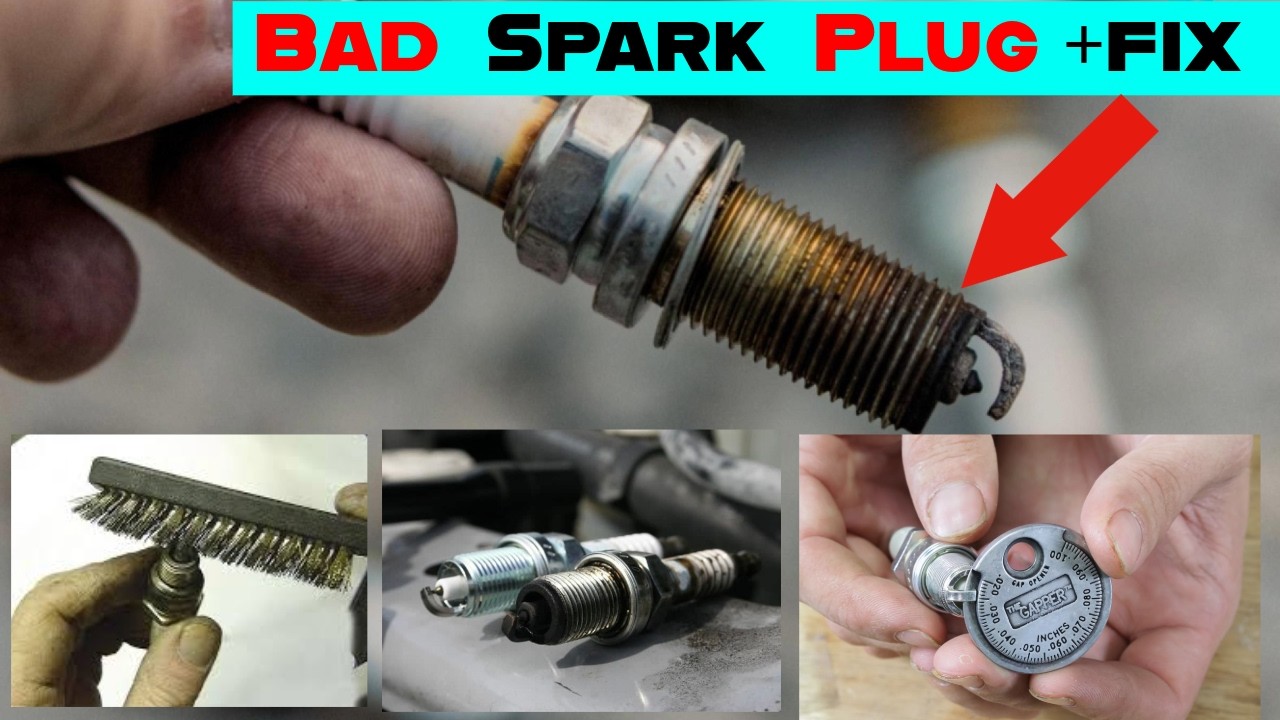
Credit: www.youtube.com
Frequently Asked Questions
What Causes Spark Plugs To Turn Black?
Black spark plugs usually indicate carbon fouling. This happens when the engine runs too rich or oil leaks into the combustion chamber. It causes incomplete fuel burning, leaving a black, sooty deposit on the plug’s tip.
How Can I Clean Black Spark Plugs Safely?
To clean black spark plugs, use a wire brush or spark plug cleaner tool. Avoid harsh abrasives that damage electrodes. After cleaning, check the gap and reinstall the plugs properly to ensure optimal performance.
Can Black Spark Plugs Damage My Engine?
Yes, black spark plugs can cause engine misfires and poor fuel efficiency. They reduce spark effectiveness, leading to rough idling and increased emissions. Fixing the root cause is essential to avoid long-term engine damage.
How Often Should Spark Plugs Be Replaced?
Spark plugs should be replaced every 30,000 to 100,000 miles, depending on the type. Regular inspection helps catch issues like black fouling early. Follow your vehicle’s maintenance schedule for best results.
Conclusion
Fixing black spark plugs is crucial for engine health. Clean plugs ensure smooth performance. Regular checks help spot issues early. Avoid costly repairs by maintaining spark plugs. Simple tools make the task easy. Follow our steps for the best results.
A little effort goes a long way. Drive confidently with well-maintained spark plugs. Keep your engine running efficiently. Enjoy better fuel economy too. Remember, prevention is key. Regular maintenance saves time and money. Keep your vehicle in top shape. Happy driving!





