You’ve just finished mowing your lawn, and now it’s time to change the oil in your lawn mower. But what do you do with the old oil?
Pouring it down the drain or throwing it in the trash can cause serious harm to the environment—and you don’t want that. Knowing how to dispose of lawn mower oil safely is important for protecting your home and community. Keep reading, and you’ll learn simple, effective steps to get rid of used oil the right way—no confusion, no stress.
Your lawn and the planet will thank you.
Why Proper Oil Disposal Matters
Proper disposal of lawn mower oil is more important than many realize. Used oil contains harmful substances that can damage the environment and pose health risks if not handled carefully. Taking a few extra moments to dispose of oil correctly can protect your yard, community, and even your own well-being.
Environmental Impact Of Used Oil
Used lawn mower oil contains contaminants like heavy metals and chemicals that do not break down easily. If poured on the ground or into drains, it seeps into the soil and water, polluting ecosystems. Just one gallon of used oil can contaminate up to one million gallons of fresh water.
Think about the fish, plants, and animals depending on clean water. Contaminated water sources can disrupt entire food chains and harm wildlife. By disposing of oil properly, you help keep local lakes, rivers, and groundwater safe and clean.
Health Risks Of Improper Disposal
Improperly discarded oil can expose you and your family to toxic chemicals. Skin contact or inhaling fumes from used oil may cause irritation, respiratory problems, or more serious health issues over time. Children playing outside near contaminated soil face even greater risks.
Have you ever considered how much used oil from a few lawn mowers adds up in your neighborhood? When everyone dumps oil carelessly, it becomes a serious public health concern. Proper disposal reduces these dangers and keeps your community safer.
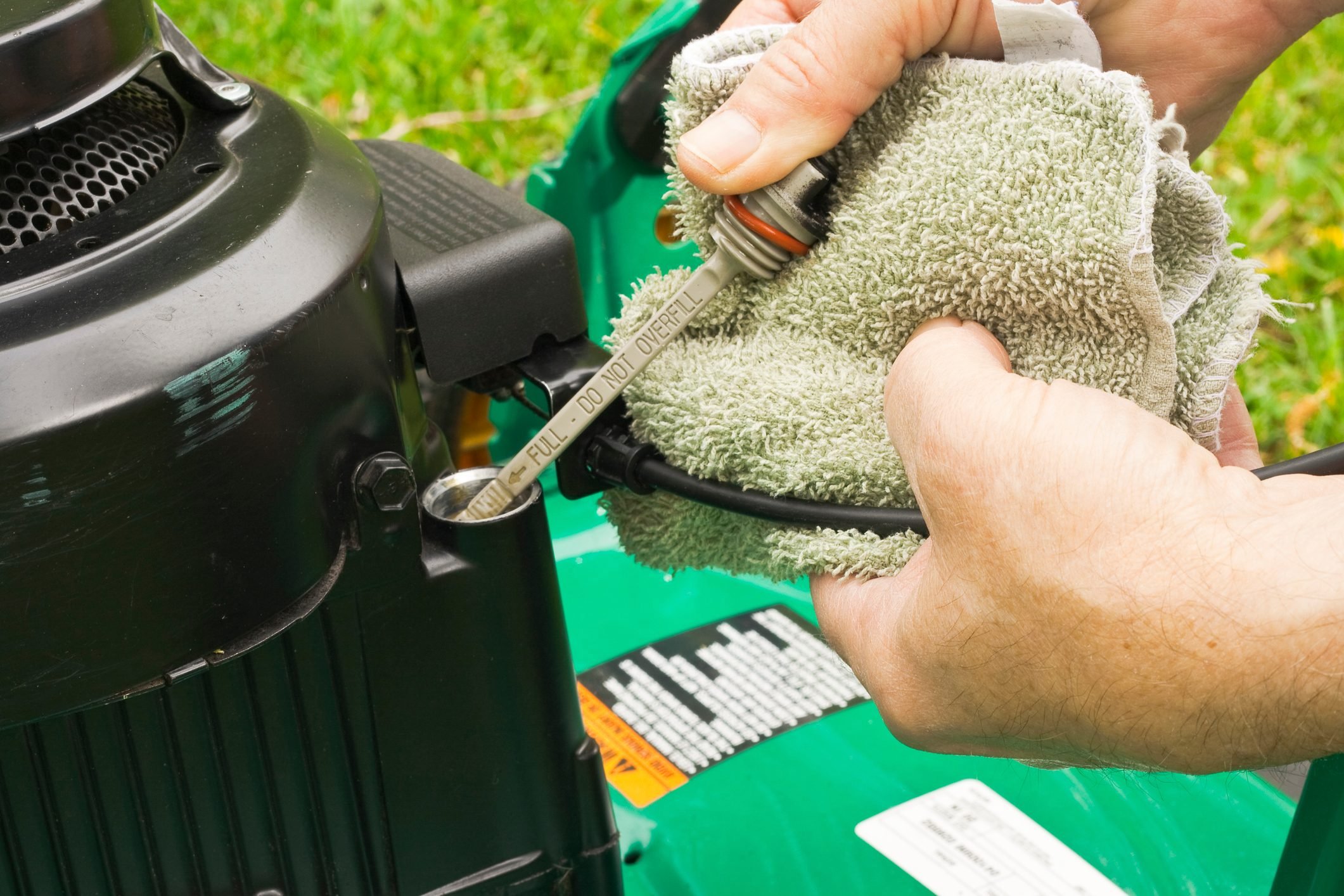
Credit: www.familyhandyman.com
When To Change Lawn Mower Oil
Knowing when to change your lawn mower oil is key to keeping your machine running smoothly. Fresh oil ensures the engine stays lubricated and cool, preventing costly damage. But how can you tell the right time to replace it?
Signs Oil Needs Replacement
Check the oil’s color and consistency regularly. Clean oil is amber and clear, but if it looks dark, dirty, or gritty, it’s time for a change.
Pay attention to engine performance. If your mower starts running rough, stalls, or sounds louder than usual, dirty oil might be the culprit.
Also, notice any unusual smoke from the exhaust. Thick or blue smoke often signals oil problems that need immediate attention.
Recommended Oil Change Intervals
Most manufacturers suggest changing the oil after the first 5 hours of use for new mowers, then every 25 to 50 hours of operation after that.
If you don’t track hours, a good rule is to change the oil at least once every mowing season. This helps avoid buildup and keeps your engine healthy.
Remember, if you use your mower in dusty or harsh conditions, shorten the intervals. Dirty environments contaminate oil faster, increasing wear.
Steps To Drain Lawn Mower Oil Safely
Drain the oil while the engine is warm to help it flow easily. Use a container to catch the oil and avoid spills. Take the used oil to a recycling center for safe disposal.
Draining lawn mower oil safely is crucial for both the longevity of your machine and the environment. Proper disposal ensures that harmful substances don’t seep into the ground or water sources. Follow these steps to make the process straightforward and eco-friendly.Preparing Your Workspace
Before you start, choose a well-ventilated area, preferably outdoors, to avoid inhaling any fumes. Lay down a tarp or some old newspapers to catch any spills. This preparation not only keeps your workspace clean but also makes post-job cleanup a breeze. Ensure your lawn mower is on a flat surface to prevent any accidental tipping. If possible, elevate the mower slightly using a sturdy block or ramp, which will make accessing the oil drain plug easier.Tools And Materials Needed
Gather all necessary tools before you begin to avoid interruptions. You will need:- Oil pan or container
- Wrench or socket set
- Gloves
- Funnel
- Shop towels or rags
Draining The Oil Properly
First, run your mower for a few minutes to warm up the oil, as warm oil drains more easily. Turn off the mower and let it cool briefly to avoid burns. Locate the oil drain plug beneath the mower. Position your oil pan directly under the plug to catch all the oil. Using your wrench, carefully loosen the plug and allow the oil to fully drain. Once drained, replace the plug securely, wiping any excess oil with a shop towel. Pour the old oil into a sealable container using a funnel for safe transport to a recycling center. Isn’t it satisfying to know your lawn mower is maintained while also caring for the planet? Following these steps ensures you’re doing both effectively.
Credit: www.youtube.com
Storing Used Oil Before Disposal
Storing used lawn mower oil correctly is crucial before disposal. Proper storage prevents spills and protects the environment. It also makes transportation easier and safer. Follow simple steps to keep the oil secure until disposal.
Choosing The Right Container
Select a container made of strong, leak-proof material like plastic or metal. Avoid using containers that held food or drinks. Use containers with tight-fitting lids to stop leaks. Make sure the container is clean and dry before pouring oil inside. Do not mix oil with other liquids or chemicals.
Labeling And Storing Tips
Label the container clearly as “Used Oil.” This helps avoid confusion and ensures safe handling. Store the container in a cool, dry place away from heat or flames. Keep it out of reach of children and pets. Avoid leaving the container in direct sunlight or freezing temperatures. Check the container regularly for leaks or damage.
Eco-friendly Disposal Options
Disposing of lawn mower oil responsibly protects your garden, neighborhood, and the environment. Instead of pouring it down drains or tossing it in the trash, consider eco-friendly disposal options that keep harmful chemicals out of our water and soil. These options are often closer and easier to use than you might think.
Local Recycling Centers
Many local recycling centers accept used motor oil, including lawn mower oil, free of charge. They have the right equipment to handle and recycle oil safely, preventing pollution. Check your city’s website or call to find the nearest center and their hours.
When you visit, bring the oil in a sealed, leak-proof container. Avoid mixing it with other fluids to ensure it can be recycled properly. Have you ever wondered how much cleaner your neighborhood could be if everyone dropped off their old oil here?
Auto Shops And Service Stations
Some auto repair shops and service stations take used motor oil for recycling. They often accept small quantities from homeowners, making it easy to drop off your lawn mower oil while getting your car serviced. This option saves you an extra trip.
Before you go, call ahead to confirm they accept lawn mower oil and ask about any specific packaging requirements. Have you noticed these places offering more eco-friendly services lately? It’s a good sign that your community values green choices.
Community Hazardous Waste Programs
Many towns hold hazardous waste collection events where you can safely dispose of lawn mower oil. These programs handle not just oil but also other chemicals that should not enter regular trash or drains. Look for scheduled days in your community’s calendar.
Participation in these programs helps keep hazardous materials out of landfills and water systems. If your town doesn’t have regular events, they might have a permanent drop-off site. Wouldn’t it be great if more people joined these efforts to make a real difference?
Avoiding Common Disposal Mistakes
Proper disposal of lawn mower oil protects the environment and keeps your home safe. Many people make simple mistakes that cause pollution or health risks. Avoid these errors to dispose of oil responsibly. Follow clear guidelines for a safer, cleaner process.
Never Pour Oil Down Drains
Pouring oil down sinks, toilets, or storm drains harms water systems. It clogs pipes and pollutes rivers and lakes. Even small amounts of oil can damage aquatic life. Always keep used oil away from drains. Use sealed containers to store oil before recycling.
Avoid Mixing Oil With Other Substances
Mixing oil with water, gasoline, or chemicals makes recycling harder. Contaminated oil cannot be processed properly and may end up as waste. Keep oil pure in a separate container. Label the container clearly to avoid confusion. This helps recycling centers handle it safely.
Recycling And Reusing Used Oil
Used lawn mower oil may seem like just waste, but it holds value when properly recycled or reused. Recycling used oil reduces pollution and conserves natural resources. Understanding how to handle it responsibly can make a big difference for your yard and the environment.
How Oil Is Recycled
Used oil is collected from various sources and taken to recycling centers. There, it’s cleaned to remove dirt, water, and other contaminants through filtering and re-refining processes.
The cleaned oil can then be turned into new lubricants, industrial fuels, or even used in manufacturing. This process saves energy and reduces the need for fresh oil extraction.
Benefits Of Recycling Used Oil
- Protects the environment:Proper recycling prevents oil from contaminating soil and water.
- Saves resources:Recycling reduces the demand for new oil, preserving natural reserves.
- Reduces waste:Reusing oil keeps it out of landfills, cutting down pollution.
- Cost-effective:Some recycling centers offer free or low-cost disposal, saving you money.
Think about the last time you changed your lawn mower oil. Did you just toss the old oil in the trash or pour it down the drain? Taking a few extra steps to recycle can protect your community’s water supply and soil quality. What small changes can you make today to handle used oil better?
:max_bytes(150000):strip_icc()/GettyImages-1267584660-26f71400e7384966be4d68433e3418b7.jpg)
Credit: www.marthastewart.com
Frequently Asked Questions
How Should I Dispose Of Used Lawn Mower Oil Safely?
Used lawn mower oil should be taken to a local recycling center or hazardous waste facility. Never pour it down drains or on the ground. Many auto shops also accept used oil for proper disposal.
Can I Pour Lawn Mower Oil Down The Drain?
No, pouring lawn mower oil down the drain is harmful and illegal. It contaminates water and damages plumbing. Always recycle or dispose of oil at designated centers.
Where Can I Recycle Lawn Mower Oil Near Me?
You can recycle lawn mower oil at local recycling centers, automotive shops, or hazardous waste collection events. Check your city’s website for nearby locations and accepted materials.
Why Is Proper Disposal Of Lawn Mower Oil Important?
Proper disposal prevents soil and water pollution. It protects wildlife and human health. Used oil contains toxic chemicals that can cause environmental damage if mishandled.
Conclusion
Proper disposal of lawn mower oil keeps the environment safe. Never pour oil down drains or on the ground. Use designated collection centers or recycling spots instead. Store used oil in a sealed container before dropping it off. Small steps like this protect water and soil from pollution.
Caring for your equipment and the planet go hand in hand. Always follow local rules for oil disposal to avoid fines. Responsible action today helps build a cleaner tomorrow for everyone.