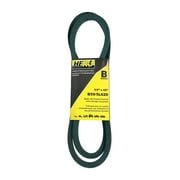
If your mower belt breaks or wears out, finding the right replacement can feel confusing. You might see different belt numbers and brands, and wonder which one fits your mower perfectly.
Knowing how to cross reference mower belts can save you time, money, and frustration. In this guide, you’ll learn simple steps to identify the correct belt for your mower, even if the original number isn’t available. Keep reading to make sure your mower runs smoothly without any guesswork.
Choosing The Right Belt
Mower belts come in different types. The most common are V-beltsand flat belts. V-belts have a triangular shape and fit into grooves. Flat belts are smooth and work on flat pulleys. Knowing the type helps find the right match for your mower.
Identifying the belt sizeis key. Sizes often include length, width, and thickness. Check the old belt or mower manual for exact numbers. A wrong size can cause slipping or damage.
Materials also vary. Most belts are made from rubber, but some have fabricor Kevlarinside for extra strength. Rubber belts are flexible and good for general use. Kevlar belts last longer and resist heat better.

Credit: wwb.macroption.com
Tools Needed For Cross Referencing
Measuring toolsare essential for cross referencing mower belts. A simple tape measureor rulerhelps find the belt length and width. A calipercan give more exact width measurements. Accurate measuring prevents buying the wrong belt size.
Manufacturer manualslist the exact belt specifications for each mower model. These manuals show the right belt size and part numbers. Checking them saves time and avoids mistakes.
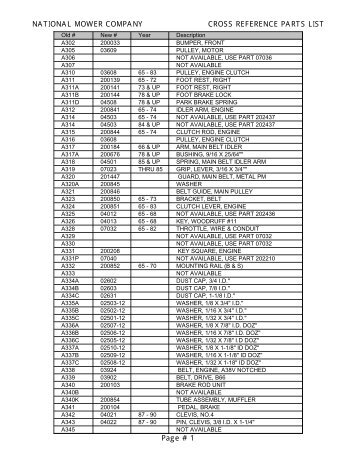
Online resourceslike parts websites and forums help find belt cross references. Entering the old belt number shows matching belts from different brands. These sites often include belt size charts and guides.
Step-by-step Cross Referencing
Start by measuring the length and width of the existing mower belt. Use a tape measure to get exact numbers. Also, check for any part numbersprinted on the belt. This helps find the right match.
Next, check if the belt fits your mower model. Look at the manufacturer’s manualor website to confirm compatibility. Not all belts fit every mower. Using the wrong belt can cause damageor poor performance.
Finally, verify the belt’s tension and fit. The belt should be tight but not too tight. Too loose, and it may slip. Too tight, and it may wear out quickly. Adjust the belt or pick a different size if needed.
Common Mistakes To Avoid
Choosing the right belt width is very important. A wrong size can cause problems. It might slip or not fit. Always check the width before buying. Many people forget this step. Be sure to measure carefully.
Length matters too. A belt that’s too short won’t fit. A long belt can get tangled. Both cause damage to your mower. Always match the length with the model’s needs. Look at the manual for help. It will guide you.
Not all belts are the same. Some belts are for special mowers. Using the wrong type can break parts. Check the belt type before purchasing. Ensure it’s the right one for your machine. This saves time and money.
Tips For Perfect Belt Installation
Proper belt alignment is key for smooth mower operation. The belt should sit perfectly on the pulleys without slipping off or rubbing against other parts. Check that the belt follows the correct path and adjust pulleys if needed. Misalignment can cause wear and tear fast.
Ensuring correct tension helps the belt stay tight without strain. Too loose belts slip and reduce cutting power. Too tight belts cause damage to bearings and pulleys. Use a tension gauge or press the belt with your finger to check tension. It should have slight give but not feel loose.
Testing before use confirms the belt works well. Run the mower engine at low speed and watch the belt movement. Listen for squeaks or noises that show problems. Stop and fix any issues before full mowing. This helps avoid breakdowns and keeps your mower ready.
Credit: www.takertrailers.ee
Where To Buy Replacement Belts
Authorized dealersoffer belts that match your mower’s brand and model. They provide genuine partsensuring the best fit and quality. Dealers often have expert adviceto help you choose the right belt.
Online marketplaceslike Amazon and eBay offer a wide selection of mower belts. You can compare prices and read customer reviews. Delivery is fast, and returns are often easy if the belt does not fit.
Local hardware storescarry common mower belts and tools. It’s convenient to visit and get the belt immediately. Staff can help with sizing and offer tips for installation.

Credit: crossbelts.com
Frequently Asked Questions
What Is Cross Referencing Mower Belts?
Cross referencing mower belts means matching a belt’s number with equivalent alternatives. It helps find compatible replacements. This ensures your mower runs smoothly without buying the exact original belt. Cross referencing saves time and money by widening your options.
How Do I Identify My Mower Belt Size?
Check the belt’s stamped number or measure its length and width. Use a tape measure for accuracy. Note the belt’s shape and tooth pattern too. This info helps find the right replacement or cross-reference options quickly.
Why Is Cross Referencing Mower Belts Important?
Cross referencing prevents buying incorrect belts that don’t fit or wear quickly. It offers more brand and price choices. This ensures mower efficiency and longevity. Plus, it saves money and reduces downtime by providing fast, suitable replacements.
Can I Use Any Belt With My Mower?
No, mower belts must match size, shape, and tooth design. Using wrong belts risks damage or poor performance. Always cross reference with original specifications or trusted guides to find correct replacements.
Conclusion
Cross referencing mower belts saves time and money. It helps you find the right belt quickly. Always check belt numbers and sizes carefully. Using the correct belt keeps your mower running smoothly. Avoid guesswork to prevent damage or poor performance.
Keep a list of common belt codes for easy reference. This simple step makes mower maintenance easier and faster. Stay prepared and keep your mower working well all season.





