
You’ve invested time and effort into maintaining your lawn mower, so protecting it should be just as important. Covering your lawn mower properly can save you money, prevent damage, and extend its lifespan.
But are you sure you’re doing it the right way? You’ll discover simple, effective steps to cover your lawn mower like a pro. Keep reading to make sure your mower stays in top shape, season after season.

Credit: www.youtube.com
Choosing The Right Cover
Choosing the right cover for your lawn mower is key to keeping it safe and in good condition. A cover does more than just shield your mower from dust—it protects against moisture, rust, and damage from outdoor elements. Picking the best one means understanding what materials, sizes, and weather resistance levels suit your mower and storage situation.
Material Options
Look for covers made of durable materials like polyester, vinyl, or heavy-duty canvas. Polyester is lightweight and resists tearing, while vinyl offers excellent waterproof protection. Canvas covers are breathable, preventing moisture buildup that causes rust.
Think about where you store your mower. If it’s outdoors, waterproof vinyl might be best. If it’s in a garage, a breathable canvas cover can keep dust off without trapping moisture.
Size And Fit
A cover that’s too small won’t protect your mower fully, and one that’s too large can flap in the wind and wear out faster. Measure your lawn mower’s length, width, and height before shopping. Look for covers that specify dimensions or adjustable fits.
Consider covers with elastic hems or drawstrings to secure the fit. A snug cover stays put, shielding your mower from dirt and critters better than a loose one. Have you ever seen a cover fly off during a storm? Proper fit prevents that hassle.
Weather Resistance
Weather conditions where you live affect which cover works best. Waterproof covers are essential if you face heavy rain or snow. Some covers also offer UV protection to prevent sun damage to your mower’s paint and plastic parts.
Check if the cover has reinforced seams and water-resistant zippers for extra durability. Think about how often you’ll use the mower—if you use it year-round, investing in a weatherproof cover saves repair costs later.
Preparing Your Lawn Mower
Cover the lawn mower with a waterproof, breathable cover to protect it from rain and dust. Make sure the cover fits snugly and secure it tightly to prevent wind from blowing it away. Store the mower in a dry place to keep it in good condition.
Preparing your lawn mower for storage is crucial. It extends its lifespan and ensures readiness for future use. Proper preparation prevents rust, corrosion, and mechanical issues. Follow these steps to keep your mower in top condition.Cleaning And Maintenance
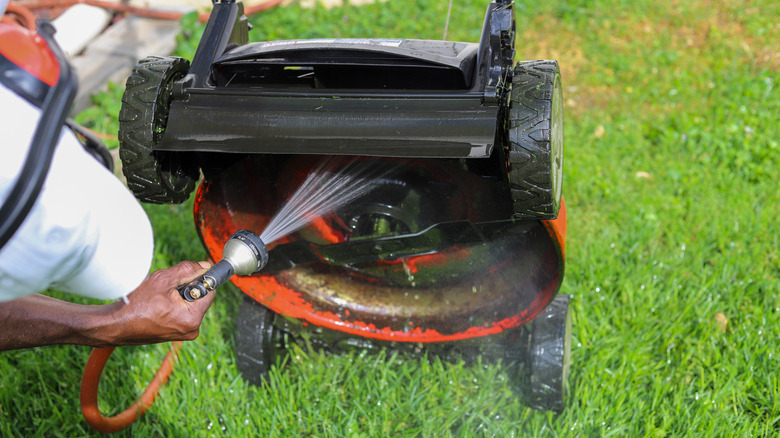
Begin by cleaning the mower thoroughly. Remove grass clippings, dirt, and debris. Use a brush or hose to clear the deck. Check the air filter and clean or replace it as needed. Inspect the spark plug for wear and replace it if necessary.Draining Fuel And Oil
Empty the fuel tank to avoid stale gas. Use a siphon pump or run the engine until it stops. Drain the oil to prevent engine damage. Refer to the owner’s manual for instructions. Dispose of used oil and fuel properly.Blade Safety
Ensure the mower is off before handling the blade. Wear gloves for protection. Check the blade for damage or dullness. Sharpen or replace as needed. Secure the blade tightly after maintenance. Proper preparation of your lawn mower ensures safe and efficient performance.Covering Techniques
Covering your lawn mower properly is more than just throwing a tarp over it. The right techniques protect your mower from weather damage, dust, and pests. Understanding how to secure the cover, shield vulnerable parts, and maintain ventilation can extend your mower’s life significantly.
Securing The Cover
Simply placing a cover over your mower isn’t enough. You need to make sure it stays in place during wind or rain. Use elastic hems or drawstrings if your cover has them—they help keep the cover snug.
If your cover lacks these features, add bungee cords or straps around the base. This prevents the cover from flapping and potentially exposing the mower. Have you ever seen a cover blow away on a windy day? Securing it tightly avoids that hassle.
Protecting Vulnerable Parts
Pay close attention to parts like the engine, air filter, and wheels. These areas are more sensitive to moisture and dirt. Wrap or pad them with extra cloth or foam before covering, if possible.
Also, avoid tight covers that press directly on delicate components. Instead, choose a cover with a soft lining or add a layer of breathable fabric inside. This extra care prevents scratches and corrosion on crucial parts.
Ventilation Tips
Trapping moisture under the cover can cause rust and mold. To prevent this, select a cover with built-in vents or mesh panels. These allow air to circulate and moisture to escape.
If your cover doesn’t have vents, leave a small gap near the bottom to promote airflow. You want to keep the mower dry without exposing it to dust. How do you balance protection with airflow around your mower?
Credit: www.outdoorguide.com
Storage Tips For Longevity
Properly storing your lawn mower extends its life and keeps it ready for action. Taking a little time to protect it from harsh conditions can save you costly repairs later. Let’s look at some key storage tips that help your mower last longer and work better each season.
Indoor Vs Outdoor Storage
Storing your lawn mower indoors is the safest choice. A garage or shed protects it from rain, snow, and extreme temperatures that can cause rust and damage. If indoor space isn’t available, consider a sturdy outdoor cover designed to repel water and block UV rays.
Think about how often you use your mower. If it’s seasonal, indoor storage makes more sense to keep it in top shape during the off months. Outdoor storage can work temporarily, but only if you ensure the cover fits well and the mower is cleaned beforehand.
Avoiding Moisture Damage
Moisture is a silent enemy of your mower’s metal parts. Always clean your mower after use, removing grass clippings and dirt that trap moisture. Before covering, let it dry completely—wet surfaces under a cover create rust fast.
Using a moisture absorber or desiccant near your mower can reduce humidity in enclosed spaces. Also, avoid placing your mower directly on damp ground; a raised platform or wooden pallet can prevent water from seeping in from below.
Regular Inspection
Checking your mower regularly during storage can catch small problems before they grow. Look for signs of rust, loose parts, or fuel leaks. Turning the mower on occasionally helps keep the engine lubricated and the battery charged.
Ask yourself: Have you noticed any unusual smells or sounds? These might hint at hidden issues. A quick inspection every few weeks ensures your mower stays ready and reliable for the next mowing session.
Common Mistakes To Avoid
Covering your lawn mower correctly is essential to protect it from weather damage and extend its life. However, many people make avoidable mistakes that can actually harm their mower instead of preserving it. Identifying these common errors helps you save time, money, and frustration in the long run.
Using Incorrect Covers
Not all covers are made equal. Using a plastic tarp that traps moisture can cause rust and corrosion on your mower’s metal parts. Instead, choose a breathable cover designed specifically for lawn mowers to keep moisture out while allowing air circulation.
Have you ever pulled off a cover only to find mold or mildew underneath? That often happens when covers don’t fit properly or are made from the wrong material. A tight, well-fitted cover prevents dirt and pests from sneaking in.
Ignoring Cleaning Before Covering
It’s tempting to cover your mower immediately after use, but leaving grass clippings and dirt on it invites damage. Residue can hold moisture and promote rust or attract insects.
Take a few minutes to clean your mower thoroughly before covering it. This simple step can prevent costly repairs later and keep your mower running smoothly.
Improper Storage Conditions
Covering your mower won’t help if you store it in a damp or unventilated space. High humidity, poor airflow, and exposure to extreme temperatures can degrade both the cover and the mower.
Where you place your mower matters just as much as how you cover it. A dry, sheltered spot with some ventilation will protect your equipment better than a cramped, humid corner.

Credit: www.familyhandyman.com
Frequently Asked Questions
How Do I Choose The Best Cover For My Lawn Mower?
Select a cover that fits your lawn mower’s size perfectly. Opt for waterproof and UV-resistant materials to protect against weather. Ensure the cover has ventilation to prevent moisture buildup and rust.
When Is The Best Time To Cover A Lawn Mower?
Cover your lawn mower after every use, especially before storing it for weeks. This prevents dust, moisture, and pests from damaging the mower components.
Can I Cover A Lawn Mower Without Cleaning It First?
It’s best to clean your lawn mower before covering it. Removing grass clippings and dirt prevents mold growth and corrosion under the cover.
How Do I Store A Lawn Mower Under The Cover Properly?
Store your mower on a flat surface and let it cool before covering. Use a breathable cover and avoid tight wrapping to allow airflow and prevent rust.
Conclusion
Covering your lawn mower properly saves it from dirt and rain. Use a strong, waterproof cover that fits well. Keep the mower clean and dry before covering it. Store the mower in a dry place if possible. Check the cover regularly for damage or wear.
Taking these small steps protects your mower for years. Easy care leads to a long-lasting machine. Protect your investment with simple habits. Ready for the next mowing season!





