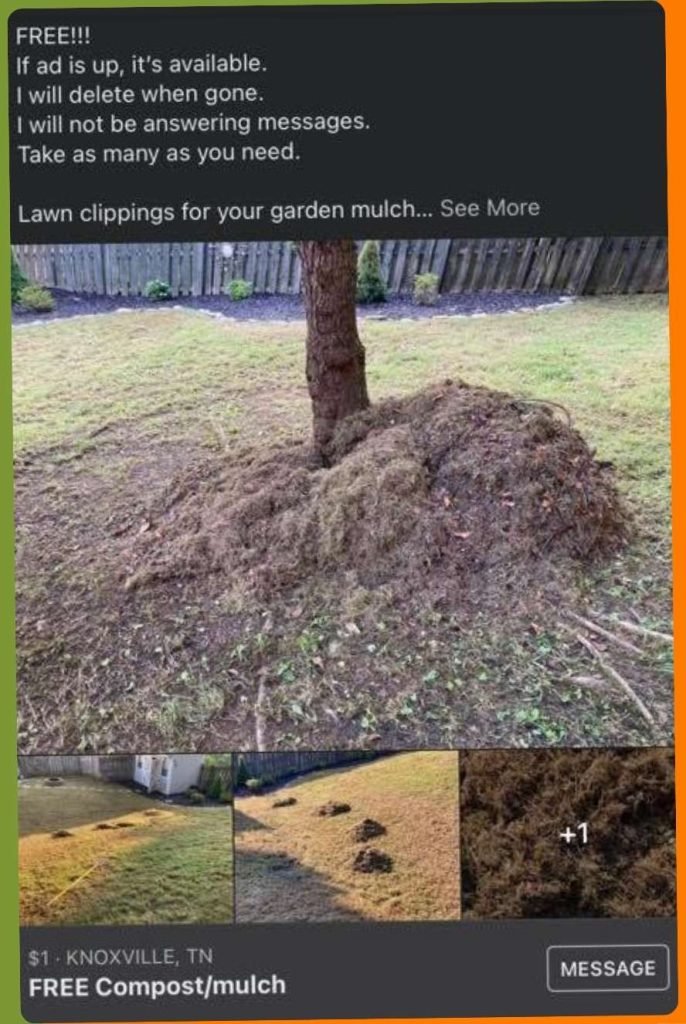
Are you tired of seeing piles of grass clippings go to waste or clog up your trash bin? What if you could turn those green scraps into rich, healthy compost that boosts your garden’s growth?
Composting grass clippings is easier than you think, and it’s a smart way to recycle nutrients right in your backyard. You’ll discover simple, practical steps to transform your grass clippings into nutrient-packed compost. By the end, you’ll know exactly how to do it—and why it’s one of the best things you can do for your lawn and plants.
Ready to get started? Let’s dive in!
Credit: www.yourgreenpal.com
Benefits Of Composting Grass Clippings
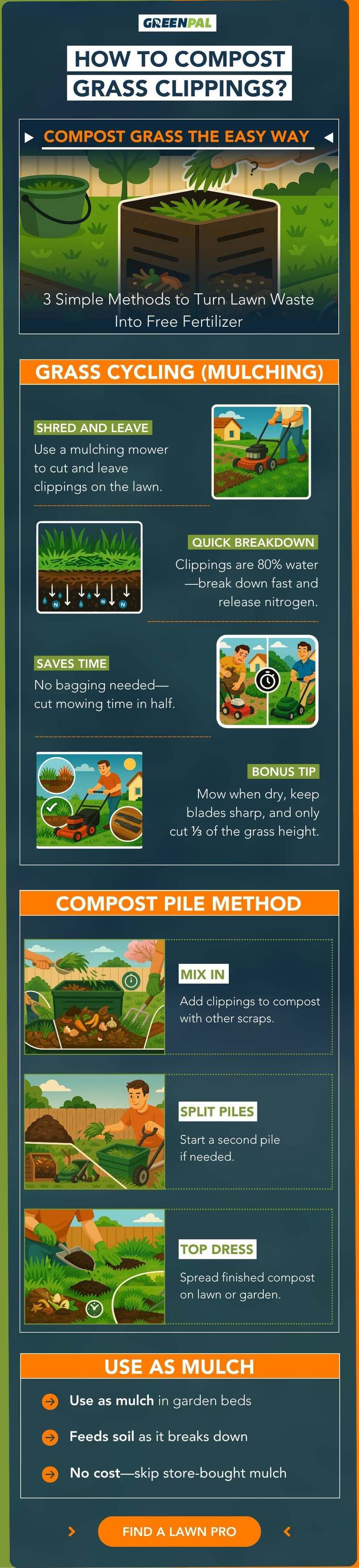
Composting grass clippings creates nutrient-rich soil. This soil helps plants grow strong and healthy. It adds important nutrientslike nitrogen, which plants need.
Composting also helps reduce yard waste. Instead of throwing clippings in the trash, they become useful. This lowers the amount of garbage sent to landfills.
Using compost promotes healthy plant growth. It improves soil structure and moisture retention. Plants grow better with less need for chemical fertilizers.
Preparing Grass Clippings For Compost
Fresh clippingsbreak down faster but can make the pile wet. Dry clippingsadd air but decompose slowly. Use a mix for best results.
Avoid clippingsfrom lawns treated with chemicals. Weeds with seeds can spread unwanted plants. Use clean, healthy grass only.
Chop clippings into smaller pieces to speed up decay. Layer clippings with dry leaves or soil. This helps balance moisture and air.
Setting Up Your Compost Pile
Choose a spot with good sunlight and air flow. Avoid places that stay wet or too dry. Use a simple bin, pile on the ground, or a wire cage. Make sure the container allows air to passfor faster breakdown.
Grass clippings are green materials. They are rich in nitrogen. Balance them with brown materialslike dried leaves or straw. The ideal mix is about 2 parts brownto 1 part green. This helps the pile decompose welland stops bad smells.
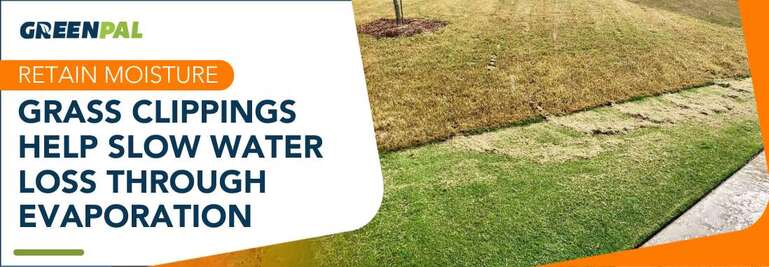
Keep the pile moistlike a wrung-out sponge. Too wet causes smell and slow breakdown. Too dry stops the process. Check moisture often. Water or cover the pile if needed to keep it just right.
Credit: www.yourgreenpal.com
Managing The Composting Process
Turning grass clippings regularly keeps the compost pile fresh. This helps air reach the material, which is key for good composting. Aeration stops the pile from smelling bad and helps microbes work faster.
Temperature should be checked often. A hot pile means microbes are active and breaking down material. Aim for 135-160°F (57-71°C) for best results. Too low or too high slows composting.
Prevent odors by mixing green grass with dry leaves or straw. This keeps the pile balanced and stops it from getting smelly. To avoid pests, cover fresh clippings with a layer of soil or finished compost.
Using Finished Compost In Your Garden
Check compost quality by its smell and texture. Good compost smells earthy and is dark brown. It should be crumbly and moist, not wet or dry. Avoid compost with bad smells or visible large pieces.
Mix finished compost into garden soil. Spread a thin layer on top, then gently work it into the soil. This helps improve soil structure and water retention. Compost adds important nutrients for plants.
| Plant Type | Benefits of Compost |
|---|---|
| Vegetables | Boosts growth and improves flavor |
| Flowers | Enhances color and bloom size |
| Trees | Strengthens roots and increases drought resistance |
| Lawn | Promotes green, healthy grass |
Troubleshooting Common Issues
Grass clippings can become slimy or smell bad if piled too thickly. Turning the pile often helps air reach all parts and speeds up composting. Avoid adding clippings that are wet or treated with chemicals for best results.
Dealing With Compaction
Grass clippings can get compacted in the compost pile. This stops air from moving through. To fix this, turn your compost often. Use a garden fork to lift and mix the pile. Make sure there are different sizes of clippings. This helps keep the pile loose and airy.
Fixing Slow Decomposition
If your grass clippings decompose slowly, check the balance. Mix green and brown materials. Brown materials are things like dried leaves and twigs. They help grass clippings break down faster. Keep the pile warm and moist. This helps microbes do their job better.
Handling Excess Moisture
Too much water is bad for compost. It can make the pile smelly and soggy. Add dry materials like straw or shredded newspaper. They soak up extra moisture. Cover the compost with a tarp if it rains a lot. This helps keep the pile dry.
Credit: www.yourgreenpal.com
Frequently Asked Questions
How Do I Compost Fresh Grass Clippings?
Fresh grass clippings are rich in nitrogen and compost quickly. Mix them with dry leaves or straw to balance moisture. Avoid piling thick layers to prevent odor and matting. Turn the pile regularly to aerate and speed up decomposition.
Can I Compost Grass Clippings Without A Bin?
Yes, you can compost grass clippings in a simple pile or heap. Ensure to mix them with dry materials to avoid odor. Turn the pile often to help airflow and break down the clippings evenly.
How Long Does It Take To Compost Grass Clippings?
Grass clippings typically decompose within 2 to 6 weeks. Proper balance of green (nitrogen) and brown (carbon) materials speeds the process. Turning the compost and maintaining moisture also help achieve faster results.
Should I Dry Grass Clippings Before Composting?
Drying grass clippings before composting helps prevent clumping and bad odor. Spread them thinly in the sun for a few hours. Mixing dry and fresh clippings ensures better airflow and quicker composting.
Conclusion
Composting grass clippings helps reduce waste and feeds your garden. Keep layers balanced with dry and green materials. Turn the pile often to speed up decomposition. Avoid adding too many clippings at once. In time, you will get rich, dark compost for plants.
Start small and watch your garden grow strong. This simple practice saves money and helps the environment. Give composting grass clippings a try today!





