Are your spark plugs not performing as well as they should? The secret might be in the gap.
Knowing how to close gap spark plugs correctly can boost your engine’s efficiency and save you from costly repairs. You’ll discover simple, step-by-step tips to adjust your spark plugs like a pro. Whether you’re a beginner or just want to improve your car’s performance, this guide is made for you.
Keep reading, and you’ll learn how a small change can make a big difference.
Spark Plug Gap Basics
Understanding the basics of spark plug gaps is essential before you start adjusting them. The gap affects how your engine performs and how efficiently it burns fuel. Let’s break down what spark plug gaps really mean and why the size matters to your vehicle’s health.
What Spark Plug Gap Means
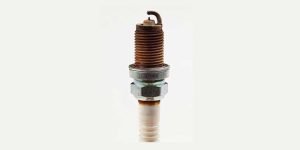
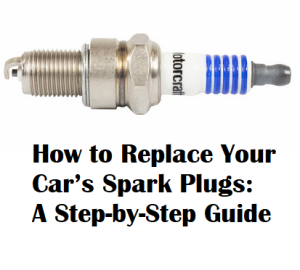
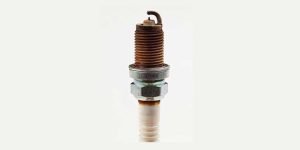
The spark plug gap is the small space between the center and ground electrodes of a spark plug. This gap allows the spark to jump across and ignite the air-fuel mixture inside the engine cylinder.
Each engine requires a specific gap size to work correctly. Too wide or too narrow a gap can cause misfires, rough idling, or poor fuel economy. Knowing your vehicle’s recommended gap size is crucial before making any adjustments.
Why Gap Size Matters
Think about the spark as a tiny but powerful electrical jump. If the gap is too small, the spark may be weak and fail to ignite the mixture properly. If it’s too large, the spark might not jump at all, causing your engine to stall or hesitate.
Adjusting the gap can improve engine starting, increase fuel efficiency, and reduce emissions. Have you noticed your car struggling to start or running unevenly? Checking the spark plug gap could be the simple fix you need.
Tools Needed For Gap Adjustment
Closing the gap on spark plugs needs the right tools. Proper tools ensure precise adjustments. This helps the engine run smoothly and efficiently.
Using the correct tools prevents damage to the spark plug. It also saves time and avoids guesswork. Below are the essential tools to have ready before starting.
Gap Gauge Types
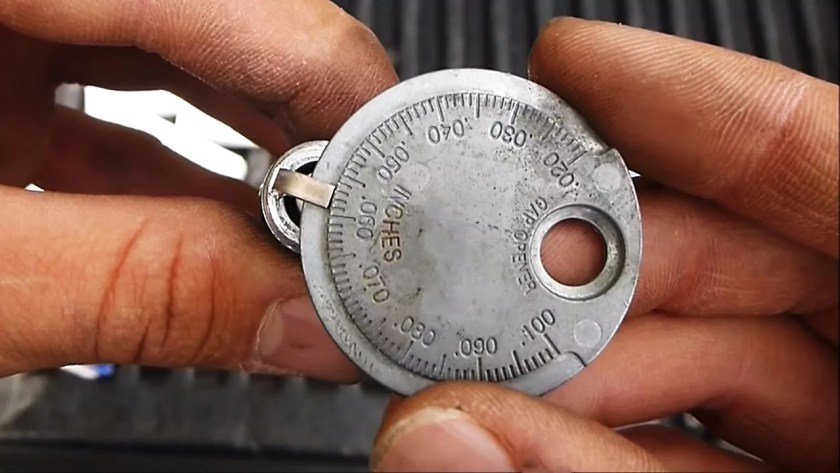
Gap gauges measure the distance between spark plug electrodes. Accurate measurement is key for proper engine performance. Different types of gap gauges suit various needs:
- Feeler Gauges:Thin metal strips of fixed thickness. Inserted between electrodes to check the gap.
- Wire Gauges:Flexible wires with specific diameters. Slide between electrodes to measure the gap.
- Coin or Disk Gauges:Round, flat tools with notches of set sizes. Used to check gap width quickly.
Choose a gauge that matches your spark plug specifications for best results.
Additional Tools To Have
Besides a gap gauge, other tools make the job easier and safer:
- Gap Adjuster Tool:A small plier-like tool to bend the ground electrode gently.
- Torque Wrench:Ensures the spark plug is tightened to correct specifications.
- Cleaning Brush:Removes dirt and carbon deposits before adjusting.
- Protective Gloves:Protect hands from sharp edges and dirt.
Having these tools on hand ensures a smooth gap adjustment process.
Checking The Spark Plug Gap
Checking the spark plug gap is a crucial step in ensuring your engine runs smoothly and efficiently. The gap affects how well the spark can ignite the air-fuel mixture in the combustion chamber. If the gap is too wide or too narrow, your engine might misfire, lose power, or consume more fuel.
Measuring The Gap Accurately
To measure the spark plug gap accurately, you need a feeler gauge or a spark plug gap tool. These tools help you check the distance between the center and ground electrodes.
Start by cleaning the spark plug to remove any dirt or debris. Then, gently slide the feeler gauge into the gap. If it feels too tight or loose, you know the gap needs adjusting.
Be careful not to force the tool, as bending the electrode too much can damage the spark plug. Precision here can prevent costly engine problems later.
Common Gap Specifications
Different engines require different spark plug gaps, typically ranging from 0.025 to 0.065 inches (0.6 to 1.6 mm). Always check your vehicle’s manual or the spark plug manufacturer’s recommendations.
| Engine Type | Typical Spark Plug Gap |
|---|---|
| Passenger Cars | 0.028″ – 0.060″ (0.7 mm – 1.5 mm) |
| Motorcycles | 0.020″ – 0.040″ (0.5 mm – 1.0 mm) |
| Small Engines (lawnmowers, chainsaws) | 0.025″ – 0.035″ (0.6 mm – 0.9 mm) |
Have you ever wondered why your engine performance drops after installing new spark plugs? Checking and adjusting the gap might just be the missing step.

Credit: kmotorperformance.com
Adjusting The Spark Plug Gap
Adjusting the spark plug gap is a crucial step to ensure your engine runs smoothly and efficiently. The gap affects the spark’s strength and timing, which directly impacts fuel combustion. Getting this gap right can improve performance and fuel economy, but it requires a careful touch.
Closing The Gap Safely
To close the spark plug gap safely, use a proper tool like a spark plug gapper or feeler gauge. Avoid using pliers or other tools that can damage the electrode. Gently press the electrode to reduce the gap, checking frequently to avoid over-closing it.
It’s better to make small adjustments than to try closing the gap all at once. If you find the gap is too wide, tap lightly rather than forcing it. This helps maintain the integrity of the spark plug’s design.
Avoiding Damage During Adjustment
Protect the spark plug’s delicate parts by handling it carefully. Never bend the center electrode sideways or apply excessive force to the porcelain insulator. Damage here can cause misfires or premature failure.
Before adjusting, clean the spark plug to remove dirt or debris that might affect measurement. Using a clean, dry tool reduces the risk of contamination. Always double-check the gap with a gauge after adjustment to confirm accuracy.
Have you ever wondered why some spark plugs fail quickly after adjustment? Often, it’s because the gap was closed too forcefully or the electrode was damaged. Taking your time and using the right tools makes all the difference.
Testing And Final Checks
Testing and final checks are crucial when closing the gap on spark plugs. Even a slight misalignment can affect your engine’s performance and fuel efficiency. Taking the time to verify your adjustments and reinstall the plugs properly ensures your efforts pay off with a smooth-running engine.
Verifying The Gap After Adjustment
After adjusting the gap, use a feeler gauge to check it precisely. Slide the correct thickness blade into the gap; it should fit snugly without forcing. If the gauge feels too tight or loose, tweak the gap slightly and recheck.
Remember, spark plugs vary by vehicle, so double-check your manual for the exact gap size. Have you ever skipped this step and ended up with rough idling? This simple verification prevents such issues.
Reinstalling Spark Plugs Correctly
Once the gap is right, screw the spark plugs back carefully to avoid cross-threading. Hand-tighten at first, then use a torque wrench to reach the manufacturer’s recommended tightness. Over-tightening can damage the threads; under-tightening can cause poor contact.
Reconnect the spark plug wires or ignition coils firmly. Loose connections can cause misfires, wasting your time and fuel. How confident are you that your plugs sit perfectly before firing up the engine?

Credit: www.f150ecoboost.net
Benefits Of Properly Gapped Spark Plugs
Properly gapped spark plugs play a vital role in your engine’s health. They ensure the spark ignites the fuel-air mix efficiently. This small adjustment leads to noticeable benefits for your vehicle. Understanding these advantages helps maintain your car’s performance and longevity.
Improved Engine Performance
Correct spark plug gaps create a strong, consistent spark. This improves combustion inside the engine cylinders. The engine runs smoother with fewer misfires. You may notice better acceleration and power. Overall, the engine responds better to your inputs.
Enhanced Fuel Efficiency
Properly gapped spark plugs burn fuel more completely. This reduces wasted fuel during combustion. Your car uses less gasoline for the same distance. This saves money and reduces trips to the gas station. Efficient fuel use also helps extend engine life.
Reduced Emissions
Better combustion lowers harmful exhaust gases. Proper gaps help burn fuel cleaner and more fully. This means fewer pollutants released into the air. Reduced emissions contribute to a healthier environment. Your vehicle stays compliant with emission standards.
Troubleshooting Common Issues
Troubleshooting spark plug gaps can save you time and money. Incorrect gaps cause many engine problems. Identifying the issues early helps keep your engine running smoothly. This section covers common signs and when to replace spark plugs.
Signs Of Incorrect Gap
- Engine misfires or runs rough during idle
- Difficulty starting the engine
- Decreased fuel efficiency and power
- Engine hesitation or stalling under load
- Unusual noises like knocking or pinging
These signs often mean the spark plug gap is too wide or too narrow. A gap that is too wide can cause weak sparks. A gap that is too narrow may prevent the spark from igniting fuel properly.
When To Replace Spark Plugs
- Excessive electrode wear or erosion
- Visible damage like cracks or burns
- Persistent engine performance issues after gap adjustment
- High mileage recommended by the vehicle manufacturer
- Heavy deposits or fouling on the plug surface
Replacing worn or damaged plugs ensures consistent engine performance. New plugs improve fuel efficiency and reduce emissions. Regular inspection prevents costly repairs down the road.

Credit: www.youtube.com
Frequently Asked Questions
What Tools Do I Need To Close Gap Spark Plugs?
You need a spark plug gap tool, feeler gauge, and a clean cloth. These help measure and adjust the gap precisely for optimal engine performance.
How To Measure The Gap On Spark Plugs?
Use a feeler gauge to measure the gap between the electrodes. Insert the gauge gently and check the reading against your vehicle’s specifications.
Why Is Closing Spark Plug Gaps Important?
Proper gaps ensure efficient combustion and engine performance. Incorrect gaps can cause misfires, poor fuel economy, and increased emissions.
Can I Close Spark Plug Gaps Without Damaging Them?
Yes, by using the right tool and gentle pressure. Avoid bending electrodes excessively to prevent damage and maintain spark plug effectiveness.
Conclusion
Closing the gap on spark plugs is simple. Just follow the steps. Correctly gapped spark plugs ensure better engine performance. Safety comes first; always use protective gear. A feeler gauge helps measure the gap precisely. Clean surroundings prevent debris interference.
Remember, practice makes perfect. Regular checks keep your engine running smoothly. Taking these steps can save money and time. Your vehicle will thank you. Proper maintenance improves lifespan and efficiency. Stay informed, and your car will run better. Happy driving!