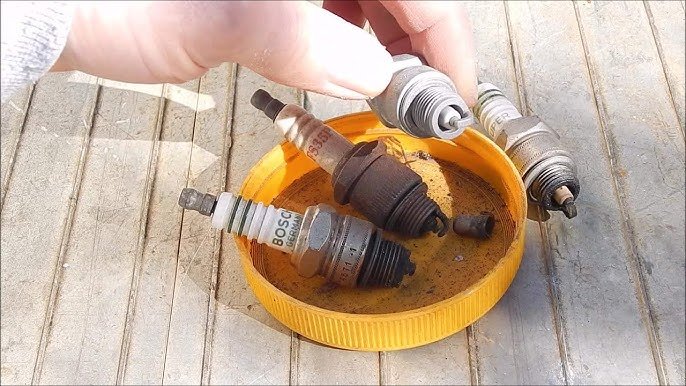
Have you ever noticed your car’s engine isn’t running as smoothly as it should? It might be time to give your spark plugs a little TLC.
Cleaning your spark plugs can be a game-changer, improving your car’s performance and fuel efficiency. Plus, it’s a task you can tackle on your own without much hassle. You’re about to discover how straightforward and rewarding this process can be.
Imagine driving with a smoother ride and fewer trips to the gas station. If you’re ready to boost your car’s performance and save some money, keep reading. Your car—and your wallet—will thank you!

Credit: www.youtube.com
Tools And Materials Needed
Cleaning spark plugs requires the right tools and materials. Using proper supplies helps make the job safe and effective. Prepare everything before you start for smooth work. Having what you need at hand saves time and avoids frustration.
Essential Cleaning Supplies
- Spark plug socket wrench – for easy removal and installation
- Wire brush – to remove dirt and carbon deposits
- Carburetor or brake cleaner – to clean the spark plug surface
- Compressed air can or air compressor – to blow away debris
- Gap gauge tool – to check and adjust spark plug gap
- Clean rags or paper towels – for wiping and drying
- Container or tray – to keep the spark plugs safe during cleaning
Safety Gear Checklist
- Protective gloves – to protect your hands from chemicals and sharp edges
- Safety goggles – to shield your eyes from debris and spray
- Long-sleeve shirt – to avoid skin contact with cleaning agents
- Well-ventilated workspace – to reduce inhaling fumes
- Fire extinguisher nearby – for emergencies when working with flammable liquids
Preparing Your Vehicle
Preparing your vehicle properly is crucial before you dive into cleaning the spark plugs. This step ensures safety and makes the process smoother. Taking a moment to set up correctly can save you from unnecessary troubles down the road.
Locating The Spark Plugs
Finding your spark plugs might seem tricky, but it’s quite straightforward once you know where to look. They are usually positioned on the engine block, connected to thick wires called ignition cables.
Check your vehicle’s manual if you’re unsure. Some cars have a cover over the engine that needs to be removed first. Knowing their exact location helps you avoid damaging other engine parts while working.
Disconnecting The Battery
Safety first: always disconnect the battery before handling spark plugs. This prevents any accidental electrical shocks or shorts.
Use a wrench to loosen the negative terminal clamp and remove it. Leaving the battery connected can cause sparks or even damage your vehicle’s electrical system.
Have you ever skipped this step and faced unexpected sparks? It’s a small task that protects you and your car, so don’t overlook it.
Removing The Spark Plugs
Removing spark plugs is a key step before cleaning them. It allows you to inspect and clean the plugs properly. Removing spark plugs carefully helps avoid damage to the engine parts. Knowing how to remove spark plugs safely saves time and money.
Using The Right Tools
Use a spark plug socket that fits snugly on the plug. A ratchet with an extension helps reach deep spark plugs easily. A spark plug gap tool is useful for checking the gap after cleaning. Make sure all tools are clean and in good condition.
- Spark plug socket
- Ratchet with extension
- Spark plug gap tool
- Torque wrench (optional but recommended)
Avoiding Damage
Let the engine cool down before removing spark plugs. Hot engines can cause burns or damage the threads. Clean the area around each spark plug to avoid dirt falling inside. Turn the plug gently to avoid stripping the threads. Use steady pressure and avoid forcing the plug out.

Credit: www.youtube.com
Cleaning Techniques
Cleaning your spark plugs properly can improve your engine’s performance and fuel efficiency. Using the right techniques helps you remove buildup without damaging the delicate parts. Let’s dive into some effective ways to get those spark plugs sparkling clean again.
Removing Carbon Deposits
Carbon deposits are the most common issue clogging spark plugs. You can gently scrape off these black, sooty layers using a small pick or a flat-head screwdriver. Be careful not to scratch the ceramic insulator or damage the electrode, as this could affect the plug’s function.
After scraping, tap the plug lightly on a hard surface to shake loose any remaining flakes. Are you surprised how much buildup can hide in plain sight? Removing these deposits ensures a better spark and smoother engine start.
Using A Wire Brush
A wire brush is a handy tool for scrubbing away stubborn dirt and grime. Choose a brush with soft steel bristles to avoid wearing down the metal parts of the spark plug. Hold the plug firmly and brush around the electrode and threads to clear any lingering debris.
Don’t rush this step—take your time to ensure every crevice is clean. Using a wire brush regularly can extend the life of your spark plugs and keep your engine running efficiently.
Applying Cleaning Solutions
Certain cleaning solutions can dissolve tough deposits that scrubbing alone can’t handle. Soaking the spark plug in a carburetor cleaner or specialized spark plug cleaner for 10 to 15 minutes softens dirt and carbon buildup. After soaking, rinse the plug with water and dry it thoroughly before reinstalling.
Always follow the product instructions and avoid harsh chemicals that might damage the plug. Have you tried this approach before? You might be surprised how much better your spark plugs perform after a simple soak.
Inspecting Spark Plugs
Inspecting spark plugs is a key step in maintaining your engine’s performance. Clean spark plugs help your vehicle run smoothly. Checking them regularly prevents bigger problems. This section explains how to inspect spark plugs properly. You will learn what signs to watch for and when to replace them.
Checking For Wear And Damage
Remove the spark plug carefully for inspection. Look at the tip and electrode for damage. Signs of wear include:
- Burnt or melted electrodes
- Cracks or chips on the ceramic insulator
- Heavy carbon buildup or oil deposits
- Worn or rounded electrodes
Check the gap between the electrodes. It should match your vehicle’s specifications. Use a feeler gauge to measure the gap. Uneven or too wide gaps cause misfires and poor engine performance.
When To Replace
Replace spark plugs if you find any damage or heavy wear. Also change them after reaching the recommended mileage. Usually, spark plugs last between 30,000 and 100,000 miles. Signs it’s time to replace include:
- Engine misfires or rough idling
- Difficulty starting the engine
- Reduced fuel efficiency
- Poor acceleration
Using worn spark plugs can harm your engine. Regular replacement keeps your car running well and saves money on repairs.

Credit: www.reddit.com
Reinstalling The Spark Plugs
Reinstalling the spark plugs is a crucial part of maintaining your engine’s performance. After cleaning, putting them back correctly ensures your vehicle runs smoothly and efficiently. Taking your time with this step prevents damage and keeps your engine firing perfectly.
Proper Torque Application
Applying the right torque when reinstalling spark plugs is essential. Too tight, and you risk stripping the threads or breaking the plug; too loose, and it can cause poor engine performance or even damage.
Use a torque wrench to tighten the plugs to the manufacturer’s specifications. If you don’t have one, snug them by hand first, then give a slight turn with a ratchet—usually about a quarter to half turn.
Have you ever wondered why some mechanics emphasize torque specs so much? It’s because the right tightness ensures a good seal and proper heat transfer, which keeps your engine running cooler and more efficiently.
Reconnecting Wires
Once the spark plugs are secure, reconnecting the wires is just as important. Make sure each wire is attached to the correct spark plug to avoid misfires and rough idling.
Push the spark plug wire boot firmly onto the plug until you feel or hear a click. This confirms a solid connection.
If your wires look worn or cracked, consider replacing them to avoid future ignition issues. Have you checked your wires lately? It might be the step you’re missing to get your engine firing perfectly again.
Tips For Maintaining Spark Plugs
Maintaining spark plugs extends your engine’s life and boosts performance. Clean spark plugs help your vehicle run smoothly and save fuel. Simple care steps prevent costly repairs and keep driving safe.
Regular Cleaning Schedule
Set a cleaning routine for your spark plugs. Check them every 20,000 to 30,000 miles. Clean or replace plugs sooner if you drive in dusty or harsh conditions. Regular care stops dirt build-up and corrosion. Use a wire brush or spark plug cleaner for best results.
Signs Of Poor Performance
Watch for engine trouble that signals spark plug issues. Common signs include:
- Hard starts or engine misfires
- Poor fuel economy
- Rough idling or stalling
- Loss of acceleration power
Spotting these signs early helps avoid bigger problems. Clean or replace spark plugs to restore engine health.
Frequently Asked Questions
How Often Should I Clean Spark Plugs?
Spark plugs should be cleaned every 30,000 miles or once a year. Regular cleaning prevents engine misfires and improves fuel efficiency. Check your vehicle’s manual for specific recommendations. Cleaning frequency depends on driving conditions and spark plug type.
What Tools Do I Need To Clean Spark Plugs?
You need a spark plug socket, wire brush, carburetor cleaner, and a gap gauge. These tools help remove carbon deposits and ensure proper spark plug gap. Using the right tools prevents damage and maintains engine performance.
Can I Clean Spark Plugs Without Removing Them?
It’s best to remove spark plugs before cleaning for thorough results. Cleaning without removal might miss deep deposits and cause damage. Removing plugs allows inspection for wear and ensures effective cleaning.
How Do I Know If Spark Plugs Need Cleaning?
Signs include rough idling, poor fuel economy, and engine misfires. Visual inspection shows carbon buildup or oil deposits on plugs. If performance drops, check and clean or replace spark plugs promptly.
Conclusion
Cleaning spark plugs helps your engine run smooth and saves fuel. Regular checks keep your car healthy and avoid costly repairs. Use simple tools and follow safety steps for best results. Clean spark plugs improve power and reduce emissions. Small effort, big benefits.
Keep your vehicle in top shape by maintaining spark plugs often. A clean spark plug means a happy engine and a safer ride. Easy to do and good for your car’s life. Try it today and feel the difference!





