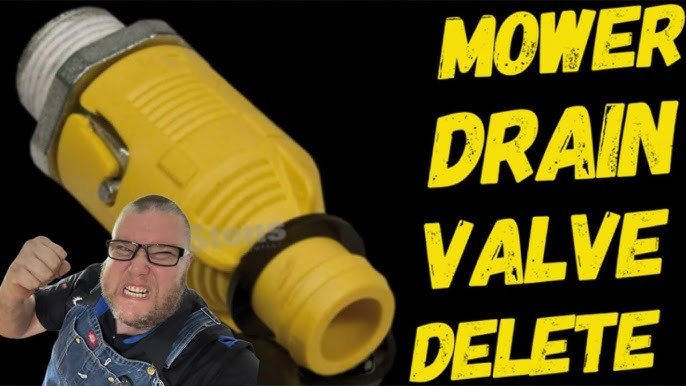
If you want your mower to run smoothly and last longer, keeping it well-maintained is key. One simple but crucial task is cleaning the mower oil drain plug.
You might think it’s just a small part, but a dirty or clogged drain plug can cause big problems for your engine. In this guide, you’ll learn easy steps to clean your mower’s oil drain plug quickly and safely. By the end, you’ll have the confidence to do it yourself and keep your mower in top shape all season long.
Ready to get started? Let’s dive in!

Credit: www.familyhandyman.com
Tools Needed
Before you start cleaning your mower’s oil drain plug, gathering the right tools is crucial. Having everything at hand will make the process smoother and safer. It also helps you avoid frustrating interruptions that waste time and energy.
Essential Equipment
- Wrench or Socket Set:A properly fitting wrench or socket is needed to loosen and tighten the drain plug. Using the wrong size can strip the plug, creating a bigger problem.
- Oil Drain Pan:This catch basin collects old oil as it drains, preventing spills and environmental harm. Choose one with enough capacity for your mower’s oil volume.
- Rags or Paper Towels:You’ll need these for wiping off excess oil and cleaning the plug itself. Keep a few on hand to maintain a clean workspace.
- Replacement Washer or Gasket:If your drain plug uses a washer, have a new one ready. Reusing an old washer can cause leaks and damage over time.
- Degreaser or Cleaner:A mild degreaser helps remove stubborn grime and oil residue from the plug. This keeps the threads clean and ensures a tight seal.
Safety Gear
Protecting yourself during the cleaning process isn’t optional—it’s essential. Oil and tools can be slippery, and some parts may be hot after use.
- Gloves:Wear nitrile or latex gloves to keep oil and chemicals off your skin. This prevents irritation and makes cleanup easier.
- Safety Glasses:Protect your eyes from splashes of oil or cleaning solution. Even a small splash can cause discomfort or injury.
- Old Clothes or Coveralls:Wear clothes you don’t mind getting dirty. Oil stains are tough to remove and can ruin your favorite outfit.
Have you ever started a maintenance task only to realize you’re missing a critical tool? It’s frustrating and can lead to mistakes. Taking a few minutes to prepare properly saves you from that hassle.
Credit: www.searspartsdirect.com
Preparing The Mower
Preparing your mower before cleaning the oil drain plug is essential for a smooth and safe process. Taking the time to set up your mower correctly can prevent spills and make the job easier. Let’s focus on positioning the mower properly and draining the oil carefully to avoid mess and damage.
Positioning The Mower
Start by placing your mower on a flat, stable surface. This ensures the oil drains evenly and prevents the mower from tipping over. If possible, use a driveway or garage floor that can handle any accidental spills.
Raise the mower slightly by using blocks or ramps under the wheels to give yourself better access to the drain plug. Be cautious—make sure the mower is secure and won’t move while you work. Have you noticed how much easier it is to work on a mower when it’s just the right height?
Draining The Oil
Before you open the drain plug, warm up the engine for a few minutes. Warm oil flows out faster and carries more dirt with it. But don’t overheat the mower; just a short run is enough.
Place a shallow pan or container directly under the drain plug to catch the oil. Use gloves to protect your hands, and keep some rags handy for any drips. Slowly unscrew the drain plug—if it’s tight, a proper wrench will help avoid stripping the threads.
Let the oil drain completely before replacing the plug. This step might take a few minutes, but patience here saves you from a messy cleanup later. What’s your biggest challenge when changing mower oil?
Removing The Oil Drain Plug
Removing the oil drain plug is a key step in changing mower oil. It allows old oil to drain out cleanly. Careful removal prevents damage to the plug and mower. Proper technique keeps the process safe and efficient. Follow clear instructions to remove the plug without trouble.
Locating The Plug
The oil drain plug sits at the mower’s engine base. Check near the oil pan or sump area. It looks like a small bolt or screw. Clean dirt and grass away for a clear view. Use a flashlight if the spot is dark. Confirm the plug by referring to the mower’s manual.
Unscrewing Techniques
Use the correct wrench or socket to loosen the plug. Turn it counterclockwise gently but firmly. Avoid forcing the plug to prevent stripping threads. If the plug is tight, apply steady pressure. Tap lightly with a hammer if stuck, then try again. Place a container under to catch draining oil. Remove the plug slowly to control flow.
Cleaning The Drain Plug
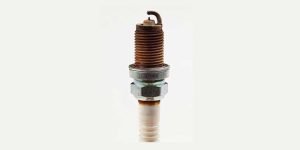
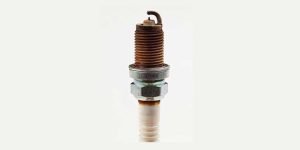
Cleaning the mower oil drain plug is a simple task that helps keep your mower running smoothly. Dirt and grime can build up on the plug over time. This buildup can cause leaks or prevent the plug from sealing properly. Regular cleaning ensures a tight seal and avoids oil spills. It also helps spot any damage early, so you can fix it before it causes bigger problems.
Removing Dirt And Debris
Start by wiping the drain plug with a clean cloth. Remove all visible dirt and grime. Use a small brush or an old toothbrush to clean hard-to-reach areas. If needed, apply a little mild detergent or degreaser to break down stubborn grease. Rinse the plug under warm water and dry it thoroughly before reinstalling. Clean threads ensure a proper fit and prevent leaks.
Inspecting For Damage
After cleaning, check the drain plug for signs of wear or damage. Look for cracks, dents, or stripped threads. Damaged threads can cause oil leaks or make it hard to tighten the plug. Replace the plug if you find any defects. A healthy drain plug keeps oil secure and protects your mower’s engine from damage.
Reinstalling The Plug
Reinstalling the oil drain plug is a crucial step after draining the old mower oil. This small part prevents leaks and keeps your mower running smoothly. Taking time to do it right can save you from messy spills and costly repairs later on.
Proper Tightening
When putting the drain plug back, make sure you tighten it just enough. Too loose, and oil will leak; too tight, and you risk stripping the threads or cracking the plug. Use your fingers first to avoid cross-threading, then finish with a wrench, applying moderate pressure.
Have you ever over-tightened a drain plug and faced trouble removing it later? It’s a common mistake that can damage your mower’s engine housing. Aim for snug but not forceful—your hand will often tell you when it’s right.
Sealing Tips
Ensuring a proper seal is key to avoiding leaks. If your drain plug uses a washer or gasket, check it for wear and replace if needed. A clean, undamaged washer creates a reliable seal between the plug and the oil pan.
Some people add a small amount of thread sealant or Teflon tape to the plug threads. This can help prevent leaks, especially if the plug or threads show signs of wear. However, avoid over-applying sealants, as excess material can clog oil passages.
Post-cleaning Checks
Check the drain plug for leaks and tightness after cleaning to prevent oil spills. Ensure no dirt or debris remains around the plug before reinstalling. Confirm the area is dry and secure to keep your mower running smoothly.
Once you’ve given your mower’s oil drain plug a thorough cleaning, ensuring everything is reassembled correctly, it’s crucial to perform some post-cleaning checks. These checks are essential to confirm that your mower is ready for action without any lingering issues. You’ll want to focus on two key areas: checking for leaks and refilling the oil. Let’s dive into each step to ensure your mower is in top shape.Checking For Leaks
After reassembling the drain plug, take a few moments to inspect the area for any signs of oil leakage. Use a clean cloth to wipe around the plug and nearby components, making it easier to spot any fresh drips. Start the mower and let it run for a few minutes while keeping an eye on the drain plug area. If you notice any leaks, it might indicate that the plug isn’t tightened correctly or there’s a damaged seal. Tighten the plug a bit more, but be cautious not to overtighten and damage the threads. If leaks persist, consider replacing the seal or gasket for a secure fit.Refilling Oil
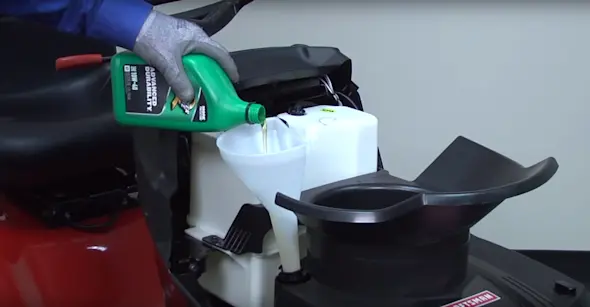
With the drain plug securely in place and no leaks detected, it’s time to refill your mower with fresh oil. Refer to your mower’s manual for the correct type and amount of oil needed. Using the wrong oil can impact performance and longevity, so double-check your manual. Pour the oil slowly into the fill port, and use a funnel to avoid any spills. Once filled, use the dipstick to check the oil level and ensure it falls within the recommended range. Running your mower with too little or too much oil can cause significant engine issues, so take this step seriously. Are there any other post-cleaning rituals you follow to keep your mower in prime condition? Share your insights in the comments below!Maintenance Tips
Keeping your mower oil drain plug clean is essential for smooth mower operation and engine health. Neglecting this simple part can lead to oil leaks and engine damage, costing you time and money. These maintenance tips will help you stay ahead of potential problems and keep your mower running efficiently.
Regular Cleaning Schedule
Set a routine to check and clean the oil drain plug every time you change the oil. This usually means every 25-50 hours of mowing, depending on your mower model and usage. Cleaning the plug regularly prevents buildup of dirt and metal particles that can clog the drain hole.
Use a clean rag or paper towel to wipe off any grime around the plug before and after removing it. Inspect the plug’s threads for damage or wear—damaged threads can cause leaks. If you notice metal shavings on the plug, it might indicate engine wear, signaling it’s time to investigate further.
Preventing Future Issues
After cleaning, apply a small amount of fresh engine oil to the plug’s threads before reinstalling it. This helps create a tight seal and makes future removal easier. Avoid over-tightening the plug; snug it firmly but gently to prevent stripping the threads.
Consider replacing the oil drain plug gasket or washer during each oil change. A worn gasket is a common cause of leaks, and swapping it out is a quick fix that saves headaches. Ask yourself—have you ever skipped this step and ended up cleaning oil spills on your garage floor? Taking these preventive steps saves you from such messy situations.

Credit: www.youtube.com
Frequently Asked Questions
How Do You Clean A Mower Oil Drain Plug Safely?
To clean a mower oil drain plug safely, first remove it using a wrench. Wipe off old oil and dirt with a rag. Use a small brush for stubborn grime. Ensure the plug threads are clean before reinstalling to prevent leaks.
Why Is Cleaning The Mower Oil Drain Plug Important?
Cleaning the oil drain plug prevents dirt from entering the oil system. It ensures a proper seal, avoiding oil leaks. Regular cleaning extends the mower’s engine life by maintaining clean oil flow and preventing contamination.
How Often Should You Clean The Mower Oil Drain Plug?
Clean the mower oil drain plug every time you change the oil. This is typically after 25 to 50 hours of use or once per mowing season. Regular cleaning ensures the plug stays free of debris and functions properly.
What Tools Do I Need To Clean The Oil Drain Plug?
You need a wrench or socket set to remove the plug. Have a clean rag or paper towels for wiping. A small brush or toothbrush helps remove stubborn oil and dirt. Gloves protect your hands from oil exposure.
Conclusion
Cleaning the mower oil drain plug keeps your machine running well. It prevents leaks and dirt build-up. Regular care saves time and money on repairs. Follow the steps carefully for best results. This simple task improves mower life and performance.
A clean drain plug means smoother oil changes. Keep your mower ready for every season. Small efforts lead to big benefits in the long run.