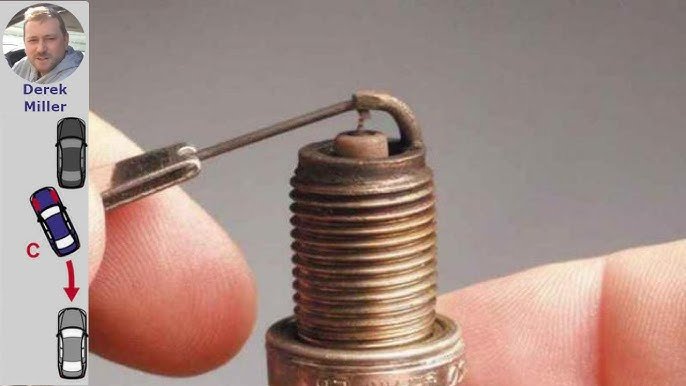
Imagine this: your car isn’t running as smoothly as it should, and you suspect the spark plugs might be the culprits. But who wants to spend hours removing them just to check?
Fortunately, there’s a way to inspect them without all the hassle. You might be wondering how this is possible and if it’s even accurate. This guide will walk you through the process, saving you time and effort while giving you the confidence that your vehicle is running at its best.
Stick around to discover a simple technique that could transform the way you maintain your car.

Credit: www.techshopmag.com
Signs Of Spark Plug Issues
Recognizing signs of spark plug problems helps avoid bigger car troubles. Spark plugs are vital for engine performance and fuel use. Faulty spark plugs cause noticeable symptoms that affect driving.
Watch for these signs to know if spark plugs need attention without removing them.
Engine Misfires
Engine misfires feel like sudden jerks or pauses while driving. The engine may hesitate or lose power unexpectedly. This happens when spark plugs fail to ignite fuel properly. Misfires reduce engine smoothness and can damage other parts.
Poor Fuel Efficiency
Bad spark plugs cause the engine to burn more fuel than usual. You may notice your car needs gas more often. Poor fuel efficiency leads to higher fuel costs. It also increases harmful emissions from the exhaust.
Rough Idling
Rough idling means the engine shakes or vibrates when the car is still. The engine sound may become uneven or louder than normal. This occurs when spark plugs send weak or inconsistent sparks. Rough idling can make starting the car harder.

Credit: simonsautorepairtaunton.com
Tools Needed For Inspection
Checking spark plugs without removing them requires a few simple tools. These tools help you test the spark plug’s condition safely and quickly. Using the right tools makes the inspection process effective and avoids damage to the engine or spark plugs.
Basic Diagnostic Tools
Basic diagnostic tools include items like a spark plug socket, a ratchet wrench, and a spark plug wire puller. These tools let you access and handle the spark plug without removing it fully. A flashlight helps to see inside the engine bay clearly. Gloves protect your hands during the inspection.
Spark Plug Tester
A spark plug tester checks if the spark plug fires properly. It connects between the spark plug wire and the spark plug. When the engine cranks, the tester shows a spark if the plug works well. This tool helps find weak or dead spark plugs quickly.
Multimeter Use
A multimeter measures electrical resistance and continuity of the spark plug wire. Setting it to the ohms mode helps check if the spark plug wire has breaks or shorts. A healthy wire shows low resistance. High resistance means the wire or plug might be faulty.
Visual Inspection Techniques
Visual inspection techniques help identify spark plug issues without removing them. This saves time and avoids unnecessary work. Spotting problems early prevents engine trouble and keeps your car running smoothly.
Checking Spark Plug Wires
Start by examining the spark plug wires closely. Look for cracks, splits, or worn areas on the insulation. Damaged wires can cause poor spark delivery and engine misfires. Make sure wires fit tightly on the spark plugs to avoid loose connections.
Inspecting Spark Plug Boots
Check the spark plug boots for signs of wear or damage. Boots protect the connection between the wire and the plug. Look for tears, brittleness, or grease buildup. A damaged boot can let moisture enter and cause corrosion or misfires.
Looking For Corrosion Or Damage
Observe the spark plug area for corrosion, rust, or carbon buildup. Corrosion appears as white or green deposits around the base. Carbon buildup looks black and powdery. Both can cause weak sparks and poor engine performance. Clean or replace parts showing damage.
Testing Spark Plugs Without Removal
Testing spark plugs without removing them saves you time and avoids unnecessary hassle. It helps you quickly identify issues that might cause engine misfires or poor performance. Here are some practical ways to check your spark plugs while they stay in place.
Using A Spark Tester
A spark tester is a simple tool that shows if your spark plugs are firing correctly. Connect the tester to the spark plug wire and ground it to the engine block. When you crank the engine, look for a bright, consistent spark inside the tester’s window.
If the spark is weak or intermittent, your plug or ignition system may need attention. I once caught a faulty spark plug this way without pulling it out, saving me a lot of time and effort. Have you tried this tool before?
Measuring Resistance With A Multimeter
Using a multimeter to measure the resistance of the spark plug wire can give you clues about the plug’s condition. Set the multimeter to the ohms setting and test the wire from the ignition coil to the spark plug boot.
A high resistance reading often indicates a damaged wire or plug. If you notice sudden jumps or no continuity, the spark plug may be failing. This method helps you pinpoint electrical issues without removing the plug.
Performing A Spark Plug Firing Test
This test lets you see the spark plug’s firing action directly. With the plug still in place, you can use a spark plug firing tester or a grounded wire to check for sparks during engine cranking.
Be cautious and avoid touching metal parts during this test to prevent shocks. A consistent blue spark means good firing, while a weak or no spark points to a problem with the plug or ignition system. Have you ever noticed how a weak spark affects your car’s idle or acceleration?
Interpreting Test Results
Interpreting the test results after checking your spark plugs without removing them can save you time and frustration. Understanding what the spark looks like tells you a lot about your engine’s health. It’s not just about seeing a spark; it’s about recognizing the quality and consistency of that spark.
Normal Spark Characteristics
A healthy spark is bright blue and consistent. It should jump across the electrode gap cleanly and without hesitation.
If you see a spark like this, your ignition system is likely in good shape. A strong spark means your spark plugs and ignition coils are working well together.
Signs Of Weak Or No Spark
If the spark is faint, orange, or inconsistent, that’s a warning sign. A weak spark can cause misfires, rough idling, or poor fuel economy.
No spark at all usually points to a bigger problem—either the spark plug is dead or there’s an issue with the ignition system. Have you ever noticed your car hesitating or stalling? That’s often linked to weak or missing spark.
When To Replace Spark Plugs
Replacing spark plugs is necessary if you observe weak or no spark during your test. Also, if your engine runs roughly despite strong spark tests, it might be time to change them.
Check your vehicle’s manual for recommended replacement intervals. But don’t wait for symptoms—testing your spark plugs regularly can help you catch problems early and avoid costly repairs.

Credit: www.rocwood.co.uk
Maintenance Tips To Extend Spark Plug Life
Maintaining spark plugs properly helps your engine run smoothly and saves money. Good care extends their life and improves fuel efficiency. Simple habits can reduce wear and keep spark plugs in top shape. Follow these tips to protect your spark plugs without removing them.
Regular Engine Tune-ups
Keep the engine in good condition with regular tune-ups. Tune-ups check ignition timing and fuel systems, reducing stress on spark plugs. Clean air filters and fuel injectors help spark plugs work better. Scheduling tune-ups every 30,000 miles supports long spark plug life.
Using Quality Fuel
Use high-quality fuel to prevent deposits on spark plugs. Low-grade fuel creates buildup that harms performance. Good fuel burns cleaner, reducing carbon deposits. This keeps spark plugs firing correctly longer. Choose fuels with proper octane rating for your engine.
Avoiding Excessive Engine Load
Do not overload the engine with heavy tasks often. Excessive load causes spark plugs to wear faster. Drive smoothly and avoid rapid acceleration or towing heavy loads regularly. Let the engine cool down if it overheats. Light engine use helps spark plugs last longer.
Frequently Asked Questions
How Can I Check Spark Plugs Without Removing Them?
You can use an inline spark tester or a spark plug tester tool. These devices check spark quality without removal. Inspecting spark plug wires and listening to engine misfires also helps detect issues.
What Tools Are Needed To Test Spark Plugs In Place?
A spark plug tester or inline spark tester is ideal. Additionally, a multimeter can measure resistance in spark plug wires. These tools help diagnose spark plug performance without removal.
How To Identify Faulty Spark Plugs Without Removing Them?
Look for engine misfires, rough idling, and poor acceleration. Use a spark tester to check spark strength. Visual inspection of spark plug wires for damage also indicates issues.
Can A Multimeter Check Spark Plugs Without Removal?
Yes, a multimeter can measure spark plug wire resistance. It helps detect wire faults affecting spark plug performance. However, it cannot test the spark plug electrode directly.
Conclusion
Checking spark plugs without removing them saves time and effort. You can spot signs of wear by looking at color and deposits. Use a spark tester or check engine performance to find issues. Regular checks help keep your engine running smoothly.
Understanding these steps keeps your car in good shape. Stay attentive to small changes in engine sound or power. Quick inspections prevent bigger problems later on. Simple care goes a long way for your vehicle’s health.





