
If you want your mower to run smoothly and last longer, checking the oil filter is one of the easiest and most important tasks you can do. Ignoring this simple step can lead to costly repairs and poor performance.
But don’t worry—this guide will show you exactly how to check your mower’s oil filter quickly and correctly. By the end, you’ll know how to keep your mower in top shape, saving you time and money. Ready to get started?
Let’s dive in!
Signs Of A Dirty Oil Filter
Reduced engine performanceis a clear sign of a dirty oil filter. The mower may run slower or stall often. The engine struggles because oil flow is blocked.
Unusual engine noiseslike knocking or ticking sounds can happen. Dirty filters cause poor lubrication, leading to strange noises.
Oil contaminationshows that the oil is dirty or thick. This means the filter is not cleaning the oil properly. Dark or gritty oil needs attention.
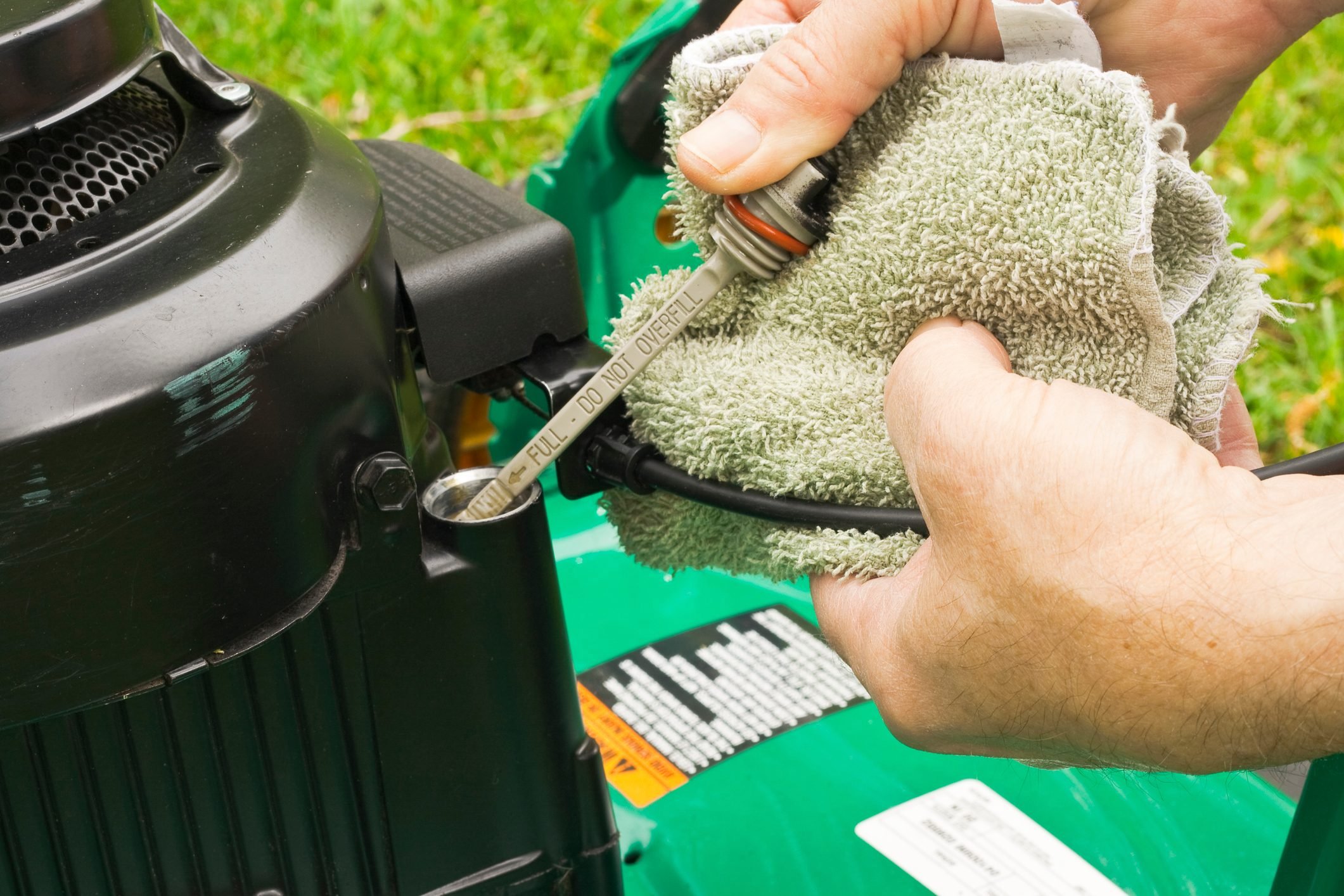
Credit: www.familyhandyman.com
Tools Needed For Inspection
To check a mower oil filter, some basic toolsare needed. A wrenchor socket sethelps remove the filter. A drip pancatches oil spills. Keep a clean ragnearby to wipe parts.
- Wrench or socket set
- Drip pan
- Clean rag
Wearing safety gearis very important. Use glovesto protect hands from hot oil. Safety glasses keep oil or debris out of eyes. Wear old clothes to avoid stains.
Locating The Oil Filter
The oil filter is usually near the engine, attached to the mower’s body. Check around the engine block or consult the mower’s manual for exact placement.
The owner’s manual is a great starting point. It shows where the oil filter is. Manuals often have clear pictures and instructions. Reading the manual saves time. It makes the task easier. Oil filters are usually found in a few places. They can be on the side of the engine. Sometimes, they’re on the top or bottom. Look near the fuel tank or spark plug. Another spot is near the muffler. Checking these places helps find the filter quickly. `
Credit: www.reddit.com
Step-by-step Inspection Process
Start by parking your mower on a flat surface. Make sure the engine is off and cool to avoid burns. Gather tools like a wrench and a container for old oil. Wear gloves to keep your hands clean.
Locate the oil filter under the mower deck. Use the wrench to carefully unscrew the filter. Place a cloth or container below to catch any oil that may spill. Remove the filter gently to avoid damage.
Check the oil filter for dirt, clogs, or tears. A dirty filter can reduce engine performance. Look for any oil leaks or cracks on the filter body. If the filter looks damaged or very dirty, it needs replacement.
Cleaning Or Replacing The Oil Filter
Cleaning the oil filterkeeps the mower running smoothly. Clean it if the filter looks dirty but not damaged. Use clean oil or a mild solvent to wash away grime. Let it dry fully before putting it back. Check the filter after every few hours of use to keep the engine healthy.
Replace the oil filterif it is torn, clogged, or very dirty. Replace it after every 25-50 hours of mowing or at least once a season. Using a new filter helps protect the engine from dirt and wear. Always use the right filter type for your mower model.
| Proper Disposal |
|---|
| Do not throw old oil filters in trash. |
| Take used filters to recycling centers or auto shops. |
| Follow local rules for oil and filter disposal. |
Post-check Maintenance Tips
Check the oil level after changing the filter to keep the engine safe. Use the right type of oil for your mower. Pour oil slowly and stop at the fill line.
Keep the oil clean to help the mower work well. Change the oil regularly to avoid damage. Old oil can make the engine run poorly.
- Change oil after every 25 hours of use
- Replace the oil filter at least once a season
- Use fresh, clean oil for every refill
- Check oil level before each use
Troubleshooting Common Issues
Filter leaksoften happen because the oil filter is loose or damaged. Check the filter’s seal for cracks or dirt that stops it from fitting well. Tighten the filter by hand, but do not over-tighten. Using the wrong type of oil filter can also cause leaks. Replace the filter if you see oil around the base or dripping.
Engine overheatingcan occur if the oil filter is clogged. A dirty filter stops oil from flowing properly. This makes the engine work harder and get hot. Change the oil filter regularly to keep the engine cool. Check the oil level too. Low oil can cause overheating even if the filter is fine.

Credit: www.youtube.com
Frequently Asked Questions
How Do I Locate The Mower Oil Filter?
The mower oil filter is usually near the engine block. Check your owner’s manual for the exact position. It is often cylindrical and easy to spot when you open the mower’s engine cover.
When Should I Check The Mower Oil Filter?
Check the mower oil filter every 25 hours of use or at least once per mowing season. Regular checks ensure your engine runs smoothly and extends mower life.
What Tools Are Needed To Check Mower Oil Filter?
You typically need a wrench or oil filter removal tool. Gloves and a container for old oil are helpful. Always have a clean rag ready for any spills during inspection.
Can A Dirty Oil Filter Damage My Mower?
Yes, a dirty oil filter can cause poor engine performance. It blocks oil flow and increases engine wear. Regularly checking and replacing the filter prevents costly repairs.
Conclusion
Checking your mower’s oil filter keeps the engine running well. Clean oil helps the mower work longer and better. Regular checks stop dirt from causing damage. You save money by avoiding big repairs. It only takes a few minutes to check the filter.
Keep your mower ready for every job. Simple steps make a big difference in mower care. Make checking the oil filter part of your routine. Your mower will thank you with smooth performance.





