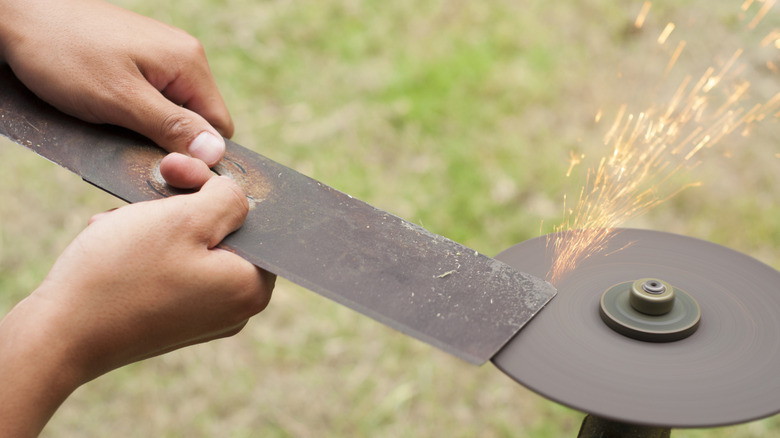
You’ve just sharpened your mower blades, and now it’s time to make sure they’re ready to work. But how do you know if the blades are sharp enough and balanced perfectly?
Checking your mower blades after sharpening is key to keeping your lawn looking its best and avoiding damage to your mower. You’ll discover simple, effective ways to inspect your blades so you can mow with confidence every time. Keep reading to learn the quick checks that save you time, money, and frustration.

Credit: mowrator.com
Signs Of A Sharp Blade
Knowing the signs of a sharp mower blade helps maintain a clean cut. Sharp blades improve lawn health and mower efficiency. Checking the blade carefully after sharpening ensures it performs well.
Smooth Cutting Edges
The cutting edge should feel smooth without rough spots. A sharp blade has a clean, even edge that slices grass cleanly. Run a finger gently along the edge to check for smoothness. Avoid edges that feel jagged or uneven.
No Visible Nicks Or Dents
Look closely for small nicks or dents on the blade edge. These imperfections reduce cutting quality and can tear grass. A sharp blade has a continuous, undamaged edge. Nicks or dents mean the blade needs more sharpening or replacement.
Consistent Blade Thickness
The blade thickness should be uniform from one end to the other. Uneven thickness indicates uneven sharpening or blade wear. A consistent thickness ensures balanced cutting and reduces vibration. Check the blade by sight and touch for any thin or thick spots.
Credit: www.housedigest.com
Visual Inspection Steps
After sharpening your mower blades, a thorough visual inspection is crucial to ensure they are safe and effective for use. This step helps you catch any missed issues that could affect your mowing performance or cause damage. Let’s walk through the key parts of this inspection so you can feel confident your blades are ready.
Cleaning The Blade
Start by wiping the blade clean with a cloth to remove any metal filings, dirt, or grease. Residue left from sharpening can hide cracks or nicks, so a clear surface is essential for a good look-over.
Use a mild detergent if needed, but make sure the blade is completely dry before moving to the next step. Ever noticed how a clean blade makes it easier to spot imperfections? That’s exactly why this step matters.
Checking For Damage
Look closely at the cutting edges and the entire blade surface for any cracks, dents, or chips. Even small imperfections can affect cutting quality or lead to blade failure.
Hold the blade up to a light source or use a magnifying glass if you have one. This helps you find tiny cracks that could turn dangerous during mowing. Have you ever ignored a small chip only to see it grow worse? Don’t let that happen.
Assessing Blade Straightness
Lay the blade flat on a hard surface or hold it up to check if it’s bent. A bent blade causes uneven cuts and can strain your mower’s engine.
If you suspect bending, place a straight edge alongside the blade edge to see if there are gaps. Even slight bends should be corrected or the blade replaced for best results. What difference do you think a perfectly straight blade makes in your lawn’s appearance?
Balancing The Blade
Balancing your mower blade after sharpening is a crucial step that many overlook. A well-balanced blade ensures smooth operation and prevents unnecessary wear on your mower’s engine. If you skip this step, you might face vibrations that affect both your comfort and the quality of your lawn cut.
Using A Blade Balancer
A blade balancer is a simple tool designed to check if your mower blade is evenly weighted. You place the blade on the balancer’s pivot point and watch how it settles.
If one side dips lower, it means that side is heavier. The goal is to have the blade sit perfectly horizontal, showing that both sides are balanced. You can buy a balancer online or at hardware stores, and it usually costs less than $20.
Correcting Imbalance
When you find that one side of the blade is heavier, you need to remove some metal from that side. Use a file or a grinder to carefully shave off small amounts of material.
Check the balance frequently while you work. Removing too much metal can make the blade unsafe, so proceed slowly. If the blade is too damaged or unbalanced beyond correction, consider replacing it instead of risking an uneven cut or damage to your mower.
Why Balance Matters
Have you ever felt your mower shake more than usual? That’s often a sign of an unbalanced blade. An unbalanced blade can cause vibration that harms the engine and makes mowing uncomfortable.
Balanced blades cut more cleanly and reduce wear on your mower’s components. This means fewer repairs and a longer lifespan for your equipment. Your lawn also benefits from a smooth, even cut, improving its overall health and appearance.
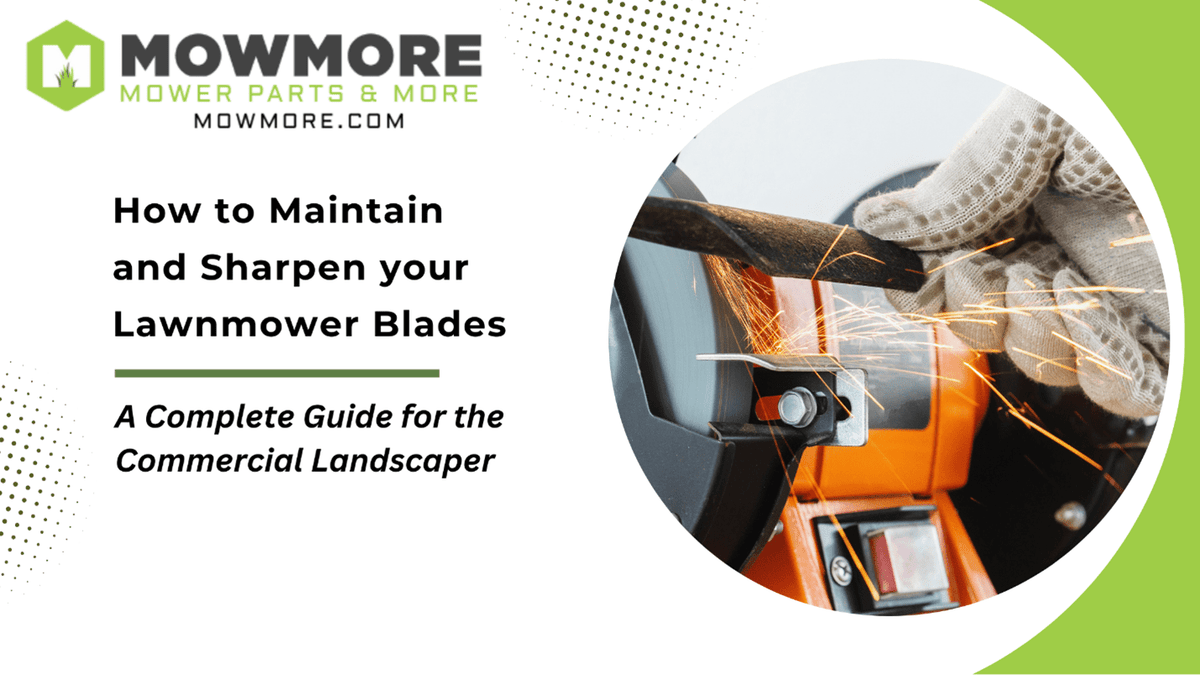
Credit: www.mowmore.com
Test Cutting Performance
Check the sharpness by cutting through a piece of paper or grass. Clean, even cuts show the blades are properly sharpened. Uneven or torn cuts mean the blades need more sharpening.
Sharpening your mower blades is essential, but how do you know if they’re ready to tackle your lawn? Testing the cutting performance is a crucial step to ensure your blades are in top shape. This involves a few practical checks that can save you from uneven patches and frustrated weekends.Mowing A Small Patch
Before committing to the entire lawn, mow a small section as a test. Choose a patch that’s representative of your lawn’s overall condition. This will give you a clear view of how well the blades are performing. Notice how the mower handles. Does it glide smoothly, or do you feel it struggling? A smooth operation indicates well-sharpened blades.Evaluating Cut Quality
After mowing, inspect the grass closely. Are the grass tips cleanly cut, or do they look torn and frayed? Clean cuts promote healthy grass, preventing disease and promoting lush growth. If the grass looks ragged, your blades might need another sharpening session. Consistent, clean cuts are the goal, ensuring your lawn looks its best.Adjusting If Needed
If you notice issues, don’t hesitate to make adjustments. Sometimes, it’s as simple as tightening the blade or giving it another sharpening pass. Consider the blade’s angle and sharpness. Are you using the right technique? Small tweaks can make a significant difference in performance. How often do you check the cutting performance of your mower blades? Regular checks can save you time and effort, ensuring your lawn stays vibrant and healthy.Safety Tips After Sharpening
After sharpening mower blades, safety remains a top priority. Sharp blades can cause serious injuries if handled carelessly. Taking simple safety steps protects you and others around you. Follow these tips to handle blades safely, wear the right gear, and store blades properly.
Proper Blade Handling
Always hold blades by the dull edge. Avoid touching the sharp cutting edge. Use a cloth or gloves when moving blades. Check blades for balance before reinstalling. Secure blades firmly to prevent them from slipping.
Wearing Protective Gear
Wear thick gloves to protect your hands from cuts. Eye protection guards against metal shavings and debris. Use closed-toe shoes to protect your feet. Long sleeves and pants add extra protection during blade handling.
Storing Blades Safely
Store blades in a dry place to prevent rust. Use a blade cover or wrap blades in cloth. Keep blades out of children’s reach. Place blades on a flat surface to avoid accidental cuts.
Frequently Asked Questions
How Do I Visually Inspect Mower Blades After Sharpening?
Check for smooth edges and no nicks or dents. The blade should have an even sharp edge all around. Uneven sharpening can reduce cutting efficiency.
What Tools Help Check Blade Sharpness Effectively?
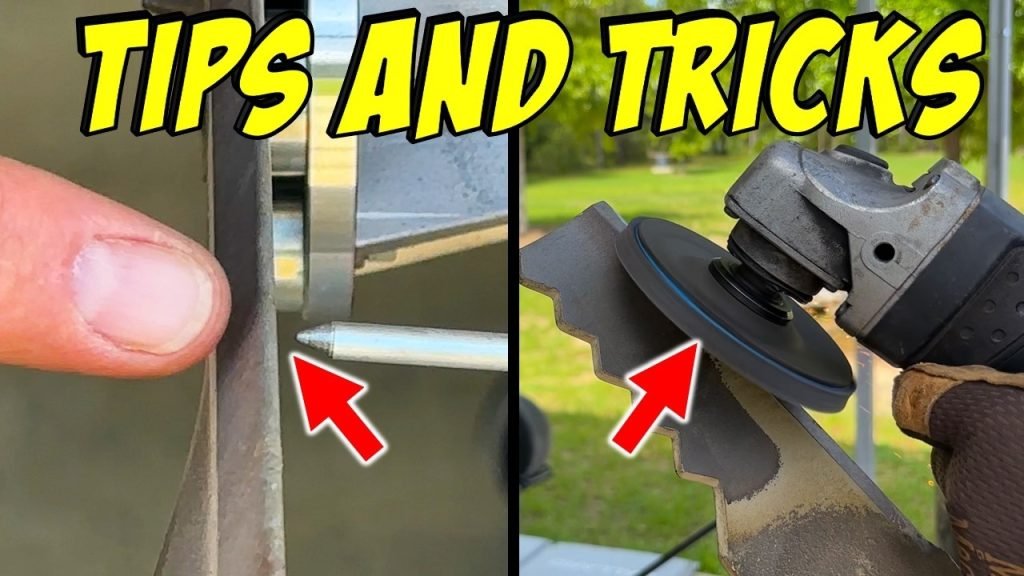
Use a blade sharpness tester or run a fingernail lightly over the edge. A sharp blade will feel smooth and catch slightly. Avoid tools that can damage the blade.
When Should I Rebalance Mower Blades After Sharpening?
Always rebalance blades after sharpening to prevent vibration. Use a blade balancer or hang the blade on a nail to check balance. Imbalanced blades cause uneven cuts and damage mower parts.
How Can I Test Mower Blade Performance Post-sharpening?
Cut a patch of grass and observe the cut quality. Sharp blades produce clean, even cuts without tearing grass. Dull blades leave ragged edges and may require re-sharpening.
Conclusion
Checking mower blades after sharpening keeps your lawn mower working well. Look for sharp edges and no dents or cracks. Make sure blades are balanced to avoid vibrations. Test them carefully for smooth rotation. Regular checks help your mower cut grass cleanly and last longer.
Simple steps save time and money on repairs. Keep your lawn neat and healthy with well-maintained blades. Small efforts make a big difference in mowing results.