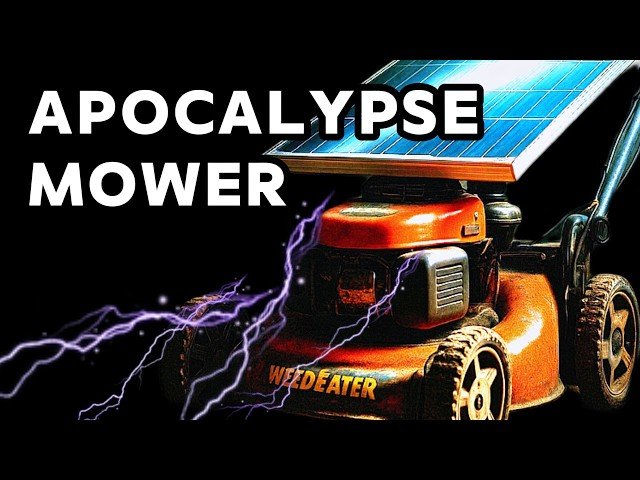
Are you tired of your mower battery dying at the worst times? Imagine never having to worry about finding a power outlet or buying expensive replacement batteries again.
Charging your mower battery with a solar panel is easier than you think, and it can save you time and money. You’ll discover simple, step-by-step tips to keep your mower running smoothly using the power of the sun. Ready to take control of your mower’s energy and enjoy hassle-free maintenance?
Let’s dive in.
Choosing The Right Solar Panel
Choosing the right solar panel is key to effectively charging your mower battery. The panel you pick affects how fast and efficiently your battery charges. It’s important to match the panel’s features to your mower’s power needs and battery type.
Panel Size And Power Output
The size of the solar panel matters because it determines how much sunlight it can capture. Larger panels usually produce more power but may not fit in your available space. Think about where you’ll place the panel—will it get full sun most of the day?
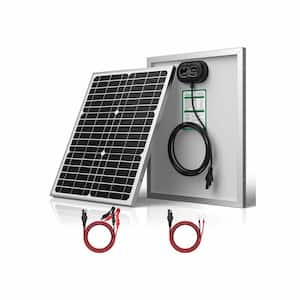
Power output is measured in watts. For charging mower batteries, a panel between 20 to 50 watts often works well. If you want faster charging or have a bigger battery, consider panels with higher wattage.
Types Of Solar Panels
There are mainly three types of solar panels: monocrystalline, polycrystalline, and thin-film. Monocrystalline panels are the most efficient and take up less space. Polycrystalline panels cost less but are slightly less efficient.
Thin-film panels are lightweight and flexible but usually offer lower power output. Your choice depends on budget, space, and how much power you want. Have you checked which panel type fits your setup best?
Compatibility With Mower Battery
Your solar panel must work well with the voltage and chemistry of your mower battery. Most lawnmower batteries are 12V lead-acid or lithium-ion. Make sure the panel’s output voltage matches the battery’s charging requirements to avoid damage.
Using a charge controller between the panel and battery can regulate voltage and prevent overcharging. Not all panels come with compatible controllers, so double-check before buying. Have you looked into controllers that suit your battery type?

Credit: www.youtube.com
Preparing The Mower Battery
Preparing your mower battery before charging it with a solar panel is crucial for safety and efficiency. Taking the time to understand your battery’s type and condition ensures you don’t damage it or reduce its lifespan. Let’s break down the essential steps you need to take before hooking it up to solar power.
Checking Battery Type
Not all mower batteries are created equal. You need to identify whether your battery is lead-acid, AGM, or lithium-ion because each type charges differently. Look for labels or check your mower’s manual to confirm the battery type.
Knowing the type helps you choose the right solar charger settings. For example, lead-acid batteries require slower charging rates to avoid damage, while lithium-ion can handle faster charging. Have you ever tried charging a battery without knowing its type? That can lead to costly mistakes.
Inspecting Battery Condition
Before charging, inspect your battery for any visible damage like cracks, leaks, or corrosion on terminals. Corrosion can block the flow of electricity and reduce charging efficiency.
If you spot any issues, clean the terminals gently using a mix of baking soda and water, and a soft brush. Damaged batteries should be replaced rather than charged, as they pose safety risks.
Disconnecting The Battery Safely
Safety always comes first. Before connecting your battery to the solar panel, disconnect it from the mower. This prevents accidental short circuits or damage to the mower’s electrical system.
To disconnect, turn off the mower completely and use insulated tools to remove the negative terminal first, followed by the positive terminal. This order reduces the risk of sparks. Have you prepared your workspace to avoid accidents during this step?
Setting Up The Solar Charging System
Setting up your solar charging system correctly ensures your mower battery charges efficiently and safely. Each component plays a crucial role, so careful attention to connections and wiring will prevent damage and maximize power use. Let’s look closely at how to connect the solar panel, charge controller, and battery with safety in mind.
Connecting Solar Panel To Charge Controller
Start by positioning your solar panel where it receives maximum sunlight throughout the day. Use the correct gauge wire to connect the panel’s positive and negative terminals to the corresponding inputs on the charge controller. Make sure the connections are tight and weatherproof to avoid power loss or corrosion over time.
Have you checked if your charge controller matches the voltage of your solar panel? Using a mismatched controller can reduce charging efficiency or damage your battery.
Wiring Charge Controller To Battery
Next, connect the charge controller to your mower battery. Attach the controller’s battery output terminals to the battery terminals, ensuring positive to positive and negative to negative. This direct connection allows the controller to regulate the power flow and protect your battery from overcharging.
A quick tip: Always connect the battery to the charge controller before connecting the solar panel. This sequence helps the controller detect the battery voltage and operate correctly.
Safety Precautions
- Wear insulated gloves and safety glasses when handling electrical connections.
- Disconnect all power sources before starting your wiring to prevent shocks.
- Use fuses or circuit breakers between the solar panel, controller, and battery to protect against short circuits.
- Double-check polarity before making any connections to avoid damage to your equipment.
Have you ever experienced a wiring mistake that caused a short circuit? Taking these precautions will save you from costly repairs and downtime.
Credit: www.homedepot.com
Optimizing Charging Efficiency
Charging a mower battery with a solar panel saves energy and reduces costs. Position the panel in direct sunlight for faster, efficient charging. Regularly check connections to ensure steady power flow.
Optimizing Charging Efficiency Charging your mower battery with a solar panel can be an eco-friendly and cost-effective solution. To get the most out of your solar charging setup, it’s essential to optimize the charging efficiency. This involves understanding a few key strategies that can make a significant difference in how effectively your battery charges.Positioning The Solar Panel
The position of your solar panel is crucial for maximizing sunlight exposure. Place the panel in a location where it receives direct sunlight throughout the day. Avoid shaded areas and adjust the angle seasonally to capture the most sunlight possible. It’s amazing how a slight tilt can enhance the energy capture. Have you noticed a difference in charge times when repositioning your panel? Experiment with various angles and take note of the results.Monitoring Charging Progress
Keeping an eye on the charging progress is vital to ensure efficiency. Use a charge controller to monitor the voltage and prevent overcharging. A simple digital voltmeter can also help you track the charge level of the battery. Do you often forget to check the battery status? Setting reminders on your phone can be a practical solution. Being proactive in monitoring can prevent potential damage and prolong battery life.Maintaining Battery Health
Proper maintenance of your mower battery is essential for long-term efficiency. Regularly clean the battery terminals to prevent corrosion. Check the electrolyte levels if you have a lead-acid battery and top it up with distilled water if necessary. Ever faced a sudden battery failure? It might have been due to neglecting simple maintenance tasks. A little care can go a long way in ensuring your battery’s health and efficiency.Troubleshooting Common Issues
Troubleshooting common issues with charging your mower battery using a solar panel can save you time and frustration. Identifying the problem early helps you maintain your equipment and ensures it runs smoothly when you need it. Let’s look at some typical issues and how to fix them effectively.
Low Charging Rates
If your battery charges too slowly, start by checking the sunlight your solar panel receives. Shadows from trees or buildings can reduce the panel’s efficiency significantly.
Also, clean the solar panel surface regularly. Dust and dirt can block sunlight, cutting down the energy produced. You might be surprised how much a simple wipe can improve performance.
Another point to consider is the panel’s angle. Adjust it to face the sun directly during peak hours. This small change can boost charging speed noticeably.
Battery Not Charging
When your battery refuses to charge, first inspect the connections between the panel and battery. Loose or corroded wires often cause this problem.
Test the battery itself. If it’s old or damaged, it might not hold a charge anymore. You can use a multimeter to check voltage levels quickly.
Think about your charge controller, too. A faulty or incompatible controller can block the charging process. Replacing or resetting it could solve the issue right away.
Solar Panel Performance Problems
If your solar panel seems underperforming, check for physical damage like cracks or broken cells. Even minor damage affects output drastically.
Temperature also plays a role. Extreme heat can reduce efficiency, so placing panels where airflow cools them might help.
Finally, confirm the panel’s wattage matches your battery’s requirements. Using a panel with too low capacity means it won’t supply enough power to charge effectively.
Benefits Of Solar Charging For Mower Batteries
Charging your mower battery with a solar panel offers several advantages that go beyond just powering your equipment. It’s a smart choice that can save you money, help the environment, and make your lawn care routine more flexible. Understanding these benefits can help you decide if solar charging fits your needs.
Cost Savings
Solar charging cuts down your electricity bills since sunlight is free. You won’t need to pay for extra power just to keep your mower battery charged. Over time, these savings add up, especially if you mow frequently or have multiple batteries.
Think about how much you spend on replacing batteries or paying for electricity each year. Solar panels can reduce those costs significantly. Plus, maintenance costs for solar panels are generally low, making it a long-term budget-friendly option.
Environmental Impact
Using solar energy reduces your carbon footprint by relying on a clean, renewable source. Unlike charging from the grid, solar power doesn’t emit harmful gases or contribute to pollution. This means you’re helping protect the planet every time you charge your mower.
It’s a simple way to make a positive environmental impact without changing how you work. If you care about sustainability, solar charging aligns well with that goal. How often do you get a chance to improve the environment while taking care of your lawn?
Convenience And Portability
Solar panels offer great flexibility because you can charge your mower battery anywhere there’s sunlight. This means you’re not tied to an outlet or a specific location. It’s especially handy if you store your mower in a shed or garage without power.
Lightweight and portable solar chargers make it easy to move them around your yard or even take them on trips. This convenience lets you maintain a charged battery without interrupting your schedule. Wouldn’t it be nice to never worry about finding a power source again?

Credit: www.amazon.com
Frequently Asked Questions
How Do I Connect A Solar Panel To A Mower Battery?
To connect, first match the solar panel voltage with the battery. Use a charge controller to regulate power. Attach positive and negative wires properly to avoid damage. This setup ensures safe and efficient charging of the mower battery using solar energy.
What Size Solar Panel Is Needed For Mower Batteries?
A 20 to 50-watt solar panel is usually sufficient. It depends on the battery’s capacity and sunlight availability. Larger panels charge faster. Choose a panel that matches your mower battery’s voltage for optimal performance and longevity.
Can Solar Charging Damage A Mower Battery?
No, if you use a proper charge controller. It prevents overcharging and protects the battery. Using only a solar panel without regulation can cause damage. Always ensure safe connections and monitor the charging process for battery health.
How Long Does It Take To Charge A Mower Battery With Solar?
Charging time varies by panel wattage and battery size. Typically, it takes 4 to 8 hours under direct sunlight. Cloudy days may extend charging time. Using a higher watt panel can reduce the total charging duration significantly.
Conclusion
Charging your mower battery with a solar panel saves money and energy. It keeps your battery healthy and ready to use. Solar panels work best in direct sunlight. Keep your connections clean and secure for good charging. Regular charging helps your mower run longer and smoother.
Using solar power is an easy, eco-friendly choice. Try it and enjoy the benefits of clean energy. Small steps lead to big savings. Simple, smart, and good for the planet.





