Are you hearing strange noises from your car’s engine or noticing a dip in its performance? It might be time to change the spark plug.
This small but mighty component plays a crucial role in keeping your vehicle running smoothly. By changing it yourself, you can save money and ensure your car is firing on all cylinders. But don’t worry if you’re new to car maintenance; this guide will walk you through the process with simple, clear steps.
Imagine the satisfaction of fixing your car and the peace of mind knowing it’s in top condition. Dive in to discover how easy it is to change the spark plug and boost your car’s performance today!
Credit: beachautomotive.com
Tools Needed
Changing a spark plug requires a few basic tools. Having the right tools makes the task easier and safer. Gathering everything before starting helps avoid interruptions.
Some tools are essential and must be on hand. Others are optional but improve convenience and speed up the job.
Essential Tools List
- Spark plug socket – fits the plug size perfectly
- Ratchet wrench – provides the turning force needed
- Socket extension – reaches deep spark plugs easily
- Gap gauge – checks and adjusts spark plug gap
- Torque wrench – tightens plugs to correct specifications
- Protective gloves – shields hands from dirt and heat
- Rags or shop towels – cleans the area around plugs
Optional Tools For Convenience
- Magnetic spark plug socket – holds the plug securely
- Compressed air – blows out dirt before removal
- Anti-seize lubricant – prevents plug threads from sticking
- Dielectric grease – protects the plug boot from moisture
- Flashlight or headlamp – improves visibility in dark spaces

Credit: www.youtube.com
Safety Precautions
Changing a spark plug might seem straightforward, but ignoring safety precautions can lead to injuries or damage to your engine. Taking the right safety steps keeps you protected and makes the task smoother. Let’s focus on the essential precautions you should never skip.
Protective Gear
Always wear gloves to protect your hands from sharp edges and hot surfaces. Eye protection is a must; a stray spark or debris can cause serious eye injuries. Don’t forget to use long sleeves to shield your arms from burns or cuts.
I once underestimated the importance of gloves and ended up with a painful cut from a metal part. That moment stuck with me — safety gear isn’t just a suggestion, it’s a necessity. What protective gear do you usually skip, and why?
Engine Cooling Tips
Never attempt to change the spark plug right after running the engine. Hot engine parts can cause burns instantly. Wait at least 30 minutes to let the engine cool down completely before you start.
If you’re in a rush, gently touch the engine block to check its temperature. If it feels warm, give it more time. This small check can save you from serious burns and make the process more comfortable.
Locate The Spark Plug
Locating the spark plug is the first step in changing it. Knowing its exact position helps avoid damage and saves time. Cars have different engine layouts, so spark plug locations vary.
Understanding where the spark plugs sit makes the process smoother. This section explains how to find and reach them.
Finding Spark Plug Positions
Most spark plugs are on the engine cylinder head. Look for thick wires or ignition coils attached to them. These wires usually lead directly to the spark plugs.
Engines may have one, two, or more spark plugs depending on their size. Check your vehicle manual to know the exact number and position.
Common places to check:
- Top of the engine block
- Along the sides of the cylinder head
- Under plastic engine covers
Accessing Hard-to-reach Plugs
Some spark plugs sit deep inside the engine. Tight spaces can make removal tricky. Use tools like a spark plug socket with an extension for better reach.
Remove any parts blocking access, such as air filters or engine covers. Work in a well-lit area to see clearly.
Patience is key. Avoid forcing tools to prevent damage. Carefully maneuver around wires and hoses.
Remove The Old Spark Plug
Removing the old spark plug is a crucial step in maintaining your engine’s performance. It requires careful handling to avoid damaging delicate parts. Let’s break down how to do this effectively.
Disconnecting The Spark Plug Wire
Start by gently pulling the spark plug wire boot off the spark plug. Avoid pulling on the wire itself, as this can cause internal damage. If it feels stuck, twist the boot slightly while pulling to loosen it.
Have you noticed how a stuck wire can make a simple task frustrating? Taking your time here prevents unnecessary repairs later.
Using The Spark Plug Socket
Attach a spark plug socket to a ratchet wrench and fit it over the spark plug. Turn the wrench counterclockwise to loosen the plug. It might be tight at first, but steady pressure works better than force.
Once loose, carefully lift the spark plug out of the cylinder head. Keep a cloth nearby to wipe off any debris around the hole before inserting the new plug. This keeps your engine clean and running smoothly.
Inspect The Old Spark Plug
Inspecting the old spark plug is an essential part of changing it. This step helps check the engine’s health and decide if replacement is needed. A careful look reveals signs of wear and damage. It also tells what the spark plug’s condition means for your vehicle.
Signs Of Wear And Damage
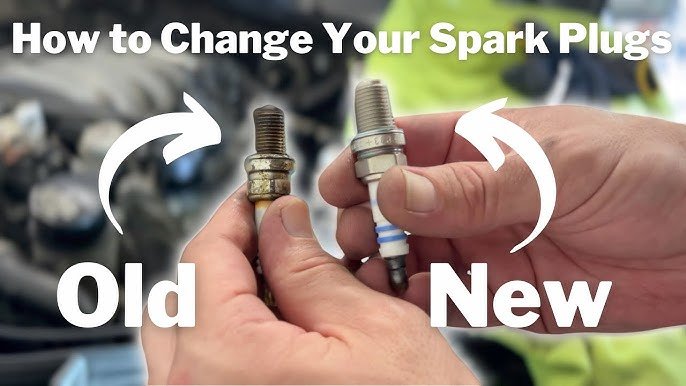
Look for cracks on the ceramic insulator. Check for carbon buildup or black soot on the tip. Notice if the electrode is worn down or rounded. Rust or corrosion on the metal parts also shows damage. Any oil or fuel deposits indicate engine problems. A broken or bent electrode means the spark plug must be replaced immediately.
What Spark Plug Condition Tells You
A clean, light tan or gray color means the engine runs well. Black soot shows the engine is rich on fuel or the air filter is dirty. White or blistered tips suggest overheating or wrong spark plug heat range. Wet or oily spark plugs point to oil leaks or worn piston rings. Understanding these signs helps fix engine problems early. It also ensures better fuel efficiency and smoother driving.

Credit: www.youtube.com
Prepare The New Spark Plug
Preparing the new spark plug is a key step before installation. It ensures the spark plug fits and works perfectly in your engine. Small details here make a big difference in engine performance and lifespan.
Checking The Gap
The gap is the space between the center and side electrodes of the spark plug. It controls the spark size and strength. Check the gap with a spark plug gap tool or feeler gauge. The correct gap size is usually in the vehicle’s manual.
If the gap is too wide or narrow, adjust it gently. Do not force the electrodes as it may damage the spark plug. A correct gap helps the engine run smoothly and saves fuel.
Applying Anti-seize Compound
Applying a thin layer of anti-seize compound on the spark plug threads helps prevent sticking. This makes future removal easier and protects the threads from damage. Use a small amount only on the metal threads.
Avoid getting compound on the electrode or the ceramic part. Too much compound can cause improper tightening and engine issues. Proper use of anti-seize ensures a secure fit and prevents corrosion over time.
Install The New Spark Plug
Installing a new spark plug might seem straightforward, but it requires care to avoid damaging the threads or the plug itself. Taking your time during this step ensures your engine runs smoothly and efficiently. Let’s look at how to properly install the spark plug to get the best performance out of your vehicle.
Hand-tightening Technique
Start by threading the new spark plug into the cylinder head with your fingers. This helps you avoid cross-threading, which can cause serious damage. If the plug doesn’t turn easily by hand, stop and realign it to prevent stripping the threads.
Hand-tightening allows you to feel the spark plug seating correctly. You’ll notice when it’s snug and ready for the next step. Relying solely on a wrench here can lead to overtightening or misalignment.
Final Torque And Tightening
After hand-tightening, use a torque wrench to tighten the spark plug to the manufacturer’s specified torque. This is crucial because too little torque can cause poor sealing and misfires, while too much can damage the threads or the plug.
If you don’t have a torque wrench, turn the plug about a quarter to a half turn after it seats, but keep in mind this method isn’t as precise. Have you ever wondered why some spark plugs loosen over time? Incorrect torque is often the culprit.
Proper torque ensures the spark plug seals tightly and transfers heat efficiently. This simple step saves you from costly repairs and improves engine reliability.
Reconnect Spark Plug Wire
Reconnecting the spark plug wire is a crucial final step after you’ve replaced the spark plug. If this connection isn’t secure, your engine won’t fire properly, and you’ll be back to square one. Paying close attention here saves you from starting problems and unnecessary troubleshooting later.
Identify The Correct Spark Plug Wire
Each spark plug has a specific wire that delivers the electrical charge. Before reconnecting, make sure you’ve found the right wire by matching it to the plug you just replaced. Mixing wires can cause misfires and engine performance issues.
Check The Wire And Boot Condition
Look closely at the wire and the rubber boot that fits over the spark plug. If you see cracks, corrosion, or wear, replace the wire or boot before reconnecting. Damaged wires can cause weak sparks or no spark at all.
Align And Firmly Attach The Wire Boot
Hold the boot, not the wire itself, to avoid damaging the connection inside. Push the boot straight onto the spark plug until you feel or hear a click. This ensures a tight fit and a good electrical connection.
Test The Connection Before Closing The Hood
Once connected, gently tug the wire to make sure it doesn’t pull off easily. If it feels loose, push it back on firmly. Then, start your engine to confirm it runs smoothly—this is your best proof the wire is properly reconnected.
Test The Repair
Testing the repair is a crucial step after changing the spark plug. This step ensures your engine runs smoothly and efficiently. Without testing, you cannot be sure the new spark plug works correctly. Follow these simple checks to confirm the repair is successful.
Starting The Engine
Turn the ignition key to start the engine. The engine should start easily without hesitation. If the engine struggles or does not start, check the spark plug installation again. A smooth start means the spark plug is firing properly.
Listening For Performance
Listen carefully to the engine’s sound. The engine should run evenly without misfires or rough idling. Any popping or sputtering sounds may mean the spark plug is not working well. A steady, quiet engine sound shows a successful repair.
Frequently Asked Questions
How Often Should I Change My Spark Plug?
Spark plugs typically need replacement every 30,000 to 50,000 miles. Check your vehicle manual for exact intervals. Regular replacement ensures optimal engine performance and fuel efficiency.
What Tools Are Required To Change A Spark Plug?
You need a spark plug socket, ratchet wrench, and a gap gauge. A torque wrench helps tighten to the correct specification. These tools make the process safe and effective.
How Do I Check If My Spark Plug Needs Replacement?
Look for signs like engine misfires, poor fuel economy, or difficulty starting. Inspect the spark plug for wear, carbon buildup, or damage. These indicate it’s time for a replacement.
Can I Change Spark Plugs Myself Safely?
Yes, with basic mechanical skills and proper tools, you can safely change spark plugs. Follow the manufacturer’s instructions and work on a cool engine to avoid injury.
Conclusion
Changing a spark plug helps your engine run better and saves money. It takes just a few steps and some simple tools. Regular checks keep your car healthy and avoid big problems. Take your time and follow the steps carefully.
Soon, you will feel more confident working on your vehicle. Remember, small tasks like this make a big difference in car care. Keep your engine strong and enjoy smoother rides ahead.





