
Is your lawn mower not starting as smoothly as it used to? It might be time to change the spark plugs.
Spark plugs are small but mighty components that play a crucial role in keeping your lawn mower running efficiently. If neglected, they can lead to frustrating starts and uneven mowing. But don’t worry—changing spark plugs is simpler than you might think, and you can do it yourself without needing a mechanic.
You’ll discover step-by-step instructions on how to change the spark plugs in your lawn mower, ensuring your machine runs like new. Whether you’re a seasoned DIY enthusiast or a complete beginner, this guide will empower you to tackle the task with confidence. Imagine the satisfaction of knowing your mower will start on the first pull every time. Stick around, and let’s make that a reality for you.

Credit: www.youtube.com
Tools Needed
Before you start changing the spark plugs in your lawn mower, gathering the right tools is key. Having everything prepared saves time and avoids frustration. It also ensures you don’t damage any parts during the process.
Spark Plug Wrench
A spark plug wrench fits perfectly around the spark plug, making removal and installation easier. Most lawn mowers use a 5/8-inch or 13/16-inch wrench, but check your mower’s manual to be sure. Using the correct wrench reduces the risk of stripping the plug or your hands slipping.
Replacement Spark Plug
Make sure you have the right spark plug for your mower model. Using the wrong one can cause poor engine performance or damage. Check the owner’s manual or look up the model number online to find the exact replacement.
Gap Gauge
The spark plug gap affects how well your mower starts and runs. A gap gauge lets you measure and adjust this space precisely. Even a slight misalignment can cause misfires or hard starting, so don’t overlook this small but vital tool.
Cleaning Supplies
Old spark plugs often have dirt, oil, or carbon buildup. Cleaning supplies like a wire brush or spark plug cleaner help remove this debris. Keeping the spark plug clean can extend its life and improve your mower’s efficiency.
Credit: www.searspartsdirect.com
Preparing The Mower
Before you start changing the spark plugs on your lawn mower, preparing the mower properly is essential. Taking the right steps ensures your safety and makes the job easier. It also helps prevent any damage to the mower or its components during the process.
Safety Precautions
Disconnect the spark plug wire first. This stops the mower from accidentally starting while you’re working on it.
Wear gloves to protect your hands from dirt and sharp parts. Eye protection is also a good idea since debris can fly up unexpectedly.
Make sure the mower is on a flat, stable surface. This prevents it from tipping over or rolling while you’re working.
Accessing The Spark Plug
Locate the spark plug by checking near the engine block. It usually sticks out with a thick wire connected to it.
Remove any covers or guards blocking the spark plug. Use a screwdriver or wrench if needed, but keep the screws safe for reassembly.
Clean around the spark plug with a brush or cloth. This stops dirt from falling into the engine once you remove the plug.
Removing The Old Spark Plug
Removing the old spark plug is a key task before installing a new one. This process prevents damage to the engine and ensures the new plug fits properly. Take care during removal to avoid breaking the plug or damaging the threads in the cylinder head.
Disconnecting The Spark Plug Wire
Locate the spark plug wire attached to the plug. Hold the boot firmly and pull it straight off. Avoid pulling on the wire itself to prevent damage. Wiggle gently if the boot is tight, but do not use excessive force.
Loosening And Removing The Plug
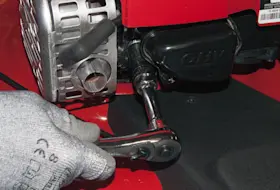
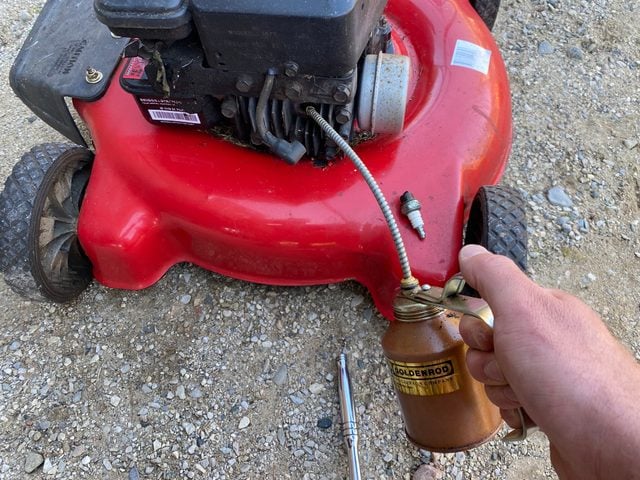
Use a spark plug socket and ratchet to loosen the plug. Turn counterclockwise until the plug is free. Remove the plug by hand carefully once loose. Check the plug for damage or wear before discarding.
Credit: www.familyhandyman.com
Checking And Gapping The New Plug
Checking and gapping the new spark plug is a key step in lawn mower maintenance. A properly gapped spark plug ensures the engine runs smoothly and efficiently. It helps the mower start easily and reduces fuel consumption. Neglecting this step can cause misfires or poor performance.
Inspecting The Spark Plug
Start by examining the new spark plug closely. Look for any damage such as cracks or chips on the ceramic insulator. The metal parts should be clean and free of rust or oil. Check the electrode at the tip for uniformity and sharp edges. A damaged plug may not work correctly and should be replaced.
Adjusting The Gap
The gap is the distance between the center and side electrodes. This gap controls the spark size and strength. Use a spark plug gap tool to measure it. Compare the gap with the lawn mower’s manual specification. If the gap is too wide or narrow, gently bend the side electrode with the tool. Adjust until the gap matches the recommended size. Proper gapping ensures better ignition and engine performance.
Installing The New Spark Plug
Installing the new spark plug is a crucial step to ensure your lawn mower runs smoothly and efficiently. Taking your time here will prevent damage to the threads and guarantee a good connection for ignition. Let’s dive into the best way to get that spark plug seated perfectly.
Threading The Plug By Hand
Start by carefully threading the spark plug into the cylinder head using your fingers. This manual threading helps you avoid cross-threading, which can cause serious damage and costly repairs.
Turn the plug slowly and feel for resistance. If it doesn’t turn easily, back it out and try again. Patience here saves you from stripping the threads or ruining the plug.
Tightening The Plug
Once the spark plug is hand-tight, use a spark plug socket with a ratchet to snug it up. Avoid over-tightening; this can crack the ceramic insulator or damage the threads.
A good rule of thumb is to tighten the plug about a quarter to a half turn beyond hand-tight. If you have a torque wrench, aim for the manufacturer’s recommended torque setting—usually around 20-25 ft-lbs.
Ever wondered why that specific tightness matters? Too loose, and your mower may misfire. Too tight, and you risk costly damage. Getting it right keeps your mower running at its best.
Reconnecting And Testing
After replacing the spark plug in your lawn mower, reconnecting and testing are crucial to ensure everything works smoothly. This step confirms that your efforts have paid off and that your mower is ready for action. Let’s look at how to correctly reattach the spark plug wire and test the mower’s performance.
Reattaching The Spark Plug Wire
Start by firmly pressing the spark plug wire boot onto the new spark plug’s metal tip. It should snap or fit snugly without forcing it. If the connection feels loose, the mower might not start or could run poorly.
Check the wire for any cracks or damage before reconnecting. A damaged wire can cause weak sparks or no spark at all, which means the mower won’t fire up properly. If you notice wear, consider replacing the wire for a better connection.
Starting The Mower
Once the wire is secure, move to a flat, open area to start your mower safely. Pull the starter cord or turn the ignition key, depending on your mower model. Listen carefully for a smooth engine sound—this indicates a good spark and proper engine function.
If the mower hesitates or fails to start, double-check the spark plug wire connection and ensure the plug gap is correct. Sometimes, slight adjustments can make a big difference. How does your mower respond after the new spark plug installation? Try a short test cut to see if the engine runs consistently under load.
Troubleshooting Tips
Troubleshooting your lawn mower’s spark plugs can save you time and frustration. When your mower won’t start or runs poorly, the spark plug is often the culprit. Understanding common issues and knowing when to call in a professional can keep your mower running smoothly.
Common Issues
One frequent problem is a fouled spark plug. This happens when dirt, oil, or fuel residue builds up on the plug, preventing a proper spark. You might notice your mower sputtering or struggling to start.
Another issue is a worn or damaged spark plug. Over time, the electrode wears down, making it harder for the spark to ignite the fuel. If your mower starts but runs roughly, a worn plug could be the reason.
Sometimes, the spark plug gap is incorrect. A gap too wide or too narrow can stop the spark from jumping across properly. Have you checked your spark plug gap recently? It’s a simple fix that many overlook.
- Dirty or fouled plug
- Worn or damaged electrode
- Incorrect spark plug gap
- Loose spark plug connection
When To Seek Professional Help
If you’ve cleaned or replaced the spark plug and your mower still won’t start, it might be time to get expert help. Sometimes the problem lies deeper, like in the ignition coil or wiring.
Also, if you’re uncomfortable handling engine parts or lack the proper tools, a professional can avoid accidental damage. Have you ever tried fixing something only to realize you made it worse? It’s okay to ask for help.
Lastly, if your mower shows signs of other engine issues like fuel delivery problems or unusual noises, a mechanic can diagnose and fix these faster. Don’t let a simple spark plug issue turn into a bigger repair bill.
Frequently Asked Questions
How Often Should I Change Spark Plugs In A Lawn Mower?
Change spark plugs every 25 hours of use or once per mowing season. Regular replacement ensures better engine performance and fuel efficiency.
What Tools Are Needed To Change Lawn Mower Spark Plugs?
You need a spark plug socket, ratchet wrench, and a gap gauge. These tools help safely remove and install spark plugs with proper gap settings.
How Do I Check If A Spark Plug Is Faulty?
Look for carbon buildup, cracks, or worn electrodes on the spark plug. A faulty plug causes hard starts, poor performance, or engine misfires.
Can I Use Any Spark Plug For My Lawn Mower?
No, always use the spark plug type recommended in your mower’s manual. Using the correct plug ensures optimal engine performance and longevity.
Conclusion
Changing spark plugs keeps your lawn mower running well. It helps your engine start fast and work smoothly. Clean or replace plugs regularly to avoid problems. You save money by doing this simple task yourself. Always follow safety steps to prevent accidents.
Now, your mower will cut grass better and last longer. Give your mower the care it needs. Easy and worth the effort!





