
Are your car’s spark plugs due for a change? If you’re noticing rough idling, trouble starting your engine, or decreased fuel efficiency, it might be time to give your spark plugs some attention.
Changing spark plugs can seem daunting if you’re not a car expert. But here’s the good news: it’s simpler than you think, and you can do it yourself! By learning how to change spark plugs, you’ll not only save money but also keep your car running smoothly.
In this guide, you’ll discover easy-to-follow steps that take the guesswork out of the process. Ready to take control and boost your car’s performance? Let’s dive in and get you back on the road with confidence.

Credit: www.youtube.com
Tools You’ll Need
Changing spark plugs requires specific tools to do the job right. Having the correct tools makes the process smoother and safer. Each tool plays a key role in removing old plugs and installing new ones with care.
Spark Plug Socket
This socket fits the spark plug size perfectly. It has a rubber insert to hold the plug securely. Using the right socket prevents damage to the spark plug or engine parts.
Ratchet And Extensions
A ratchet helps turn the spark plug socket easily. Extensions reach deep into the engine where plugs sit. These tools give good control and access in tight spaces.
Torque Wrench
A torque wrench tightens spark plugs to the exact specification. Too loose or too tight can cause engine problems. This tool ensures the right amount of force is applied.
Gap Gauge
The gap gauge measures the space between spark plug electrodes. Proper gap improves engine performance and fuel efficiency. Adjust the gap carefully before installation.
Other Essentials
- Dielectric grease to protect spark plug boots from moisture
- A clean rag to wipe dirt and debris from the engine area
- Anti-seize compound to prevent the spark plug threads from sticking
- Safety gloves and glasses for personal protection
Preparing Your Car
Preparing your car properly is key before you start changing the spark plugs. It ensures your safety and makes the job smoother. Skipping these steps can lead to mistakes or even damage to your engine.
Ensure Engine Is Cool
Never try to change spark plugs when the engine is hot. The engine parts can be extremely hot and cause burns. Wait at least 30 minutes after turning off your car to let everything cool down.
This simple wait also prevents damage to the spark plug threads, which can expand when hot and get stuck. Have you ever rushed this step and ended up struggling to remove a plug? Take your time here.
Locate The Spark Plugs
Finding the spark plugs can be tricky, especially if you haven’t worked on your car before. Open your car’s hood and look for the spark plug wires or ignition coils leading to the engine block.
They are usually arranged in a row on the engine’s cylinder head. If you’re unsure, your car’s owner manual will have a clear diagram showing their exact location. Knowing where they are saves time and avoids unnecessary parts removal.
Disconnect The Battery
Before touching anything, disconnect your car’s battery to avoid electrical shocks or shorts. Use a wrench to remove the negative terminal cable first, then the positive. This step protects both you and your vehicle’s electrical system.
Have you ever accidentally shorted something while working on your car? Disconnecting the battery is a simple way to prevent that risk. Always keep the terminals away from metal objects during this process.
Removing Old Spark Plugs
Removing old spark plugs is a crucial step in maintaining your car’s engine performance. It might seem straightforward, but handling this task carefully can save you from costly repairs down the road. Let’s dive into how to remove those worn-out plugs safely and effectively.
Remove Ignition Coils Or Wires
Start by locating the ignition coils or spark plug wires connected to your plugs. Gently twist and pull the coil or wire straight off the spark plug; avoid yanking as this can damage the connection.
Remember, some cars have individual coils on each plug, while others use a wire connecting multiple plugs. If your car has coils, you may need to unbolt them first—check your vehicle’s manual for specifics.
Clean The Area
Before unscrewing the plugs, clean the area around them thoroughly. Use a brush or compressed air to remove dirt and debris that could fall into the cylinder when you remove the plug.
This step might seem minor, but it prevents engine damage and ensures the new plugs fit perfectly. Have you ever skipped this and found dirt inside your engine? It’s a hassle you want to avoid.
Unscrew The Spark Plugs
Use a spark plug socket wrench to carefully loosen and remove each plug. Turn counterclockwise with steady pressure; if it’s stuck, applying a little penetrating oil and waiting can help.
Keep track of each plug’s position if they differ in wear or gap. This attention to detail helps diagnose engine issues and maintain consistent performance after replacement.
Inspecting And Gapping New Plugs
Inspecting and gapping new spark plugs is a crucial step before installation. Even brand-new plugs can come with incorrect gaps, which affects your engine’s performance. Taking a moment to check and adjust the gap ensures smooth starts and efficient fuel burning.
Check The Gap Size
First, look up the correct gap size for your vehicle in the owner’s manual or on a reliable online source. The gap is the distance between the center and side electrodes of the spark plug.
Use a spark plug gap tool or feeler gauge to measure the gap. Slide the tool gently between the electrodes without forcing it. If the tool fits snugly, the gap is correct.
During one of my car maintenance sessions, I found a new plug with a gap twice the recommended size. Installing it without checking would have caused misfires and poor fuel economy.
Adjust The Gap If Needed
If the gap is too wide or too narrow, adjust it carefully with the gap tool. Gently bend the side electrode to widen or narrow the gap. Avoid touching the center electrode to prevent damage.
Make small adjustments and recheck the gap each time. Precision matters here; even a slight difference can affect ignition quality.
Have you ever wondered why your engine hesitates after a tune-up? Incorrect spark plug gaps might be the reason. Taking the time to inspect and adjust can save you from frustrating performance issues down the road.
Installing New Spark Plugs
Installing new spark plugs requires care to avoid damage. Proper installation ensures your engine runs smoothly and efficiently. Follow these simple steps to fit each spark plug correctly.
Thread Plugs By Hand
Start by placing the spark plug in the hole. Turn it slowly with your fingers. This prevents cross-threading that can ruin the threads. Hand threading feels smooth. Stop if you feel resistance and adjust the angle slightly.
Tighten With Torque Wrench
Use a torque wrench to tighten the spark plug. Follow the manufacturer’s recommended torque settings. Too tight can damage the plug or engine. Too loose causes poor performance. Tighten until the wrench clicks or reaches the set torque.
Reattach Coils Or Wires
Connect the spark plug wires or coil packs back. Push firmly until you hear a click or feel secure fit. Check each connection to avoid misfires. Proper contact ensures the spark plugs get the right electrical charge.
Credit: beachautomotive.com
Final Checks
After replacing the spark plugs, a few final checks are essential. These steps confirm the job is done right. They help avoid engine problems and keep the car running smoothly. Follow these simple actions to finish the process safely and effectively.
Reconnect The Battery
First, reconnect the car battery. Attach the negative cable firmly to the battery terminal. Tighten the connection to avoid loose contact. A secure connection ensures the car gets power properly. Never skip this step to prevent electrical issues.
Start The Engine
Turn the ignition key to start the engine. Listen closely as the engine begins to run. It should start quickly without hesitation. A smooth start shows the spark plugs work well. If the engine struggles, recheck the installation.
Listen For Irregularities
Pay attention to any strange sounds. Look out for rough idling or misfires. These signs may mean a spark plug is faulty or loose. If you hear irregular noises, stop the engine. Inspect spark plugs and wires once more.
Tips For Maintenance
Maintaining spark plugs is key to keeping your car running smoothly. Regular checks can save money and prevent breakdowns. Proper care improves fuel efficiency and engine performance.
When To Replace Spark Plugs
Spark plugs usually need replacement every 30,000 to 50,000 miles. Check your car’s manual for exact intervals. Older cars might need changes more often. Newer models with platinum or iridium plugs last longer.
Replace spark plugs if your engine misfires or starts roughly. Cold starts taking longer also signal a need for change. Regular replacement keeps your engine healthy and efficient.
Signs Of Worn Spark Plugs
- Engine misfires or runs unevenly
- Reduced fuel efficiency
- Difficulty starting the car
- Rough idling or stalling
- Increased exhaust emissions
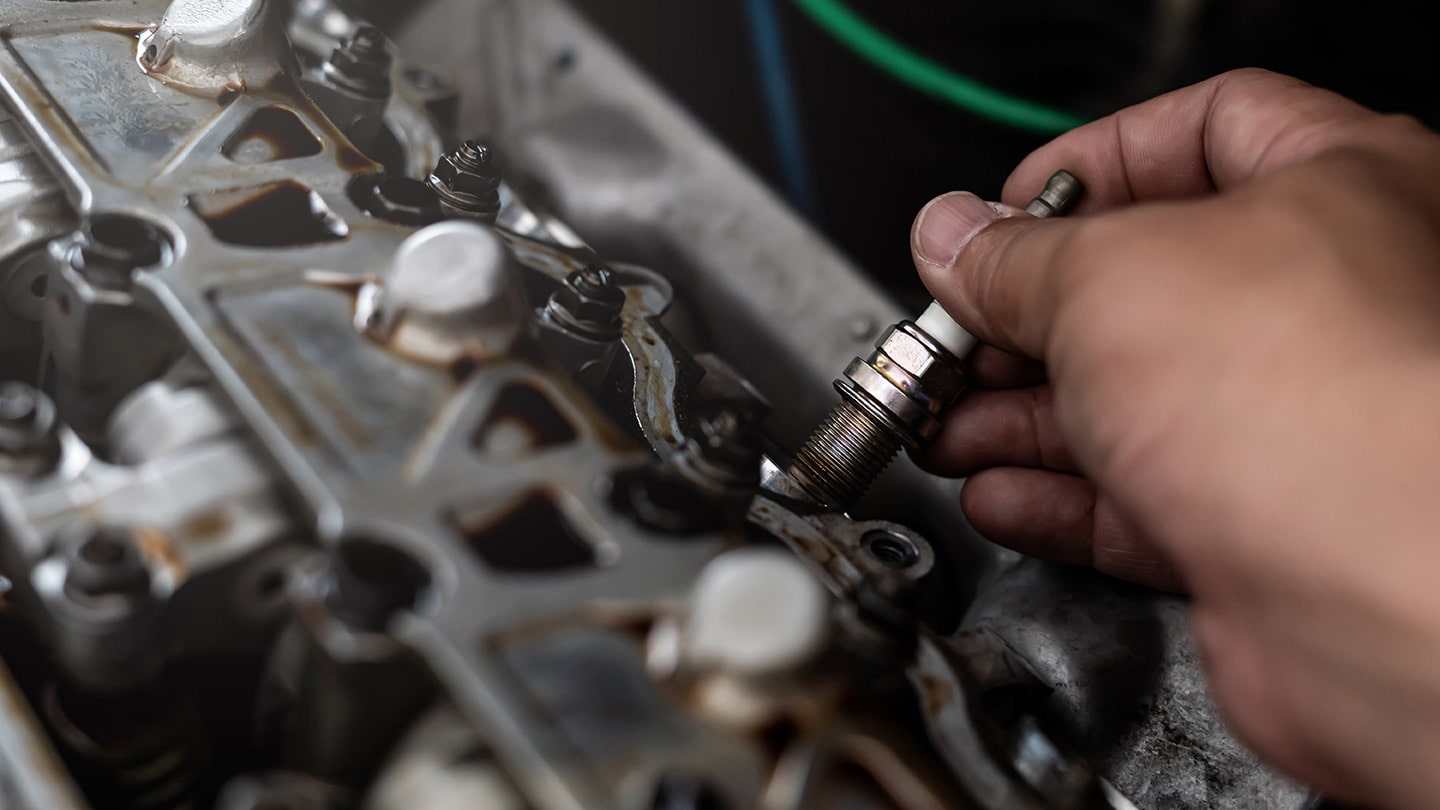
These signs often mean spark plugs are dirty or damaged. Inspect plugs for worn electrodes or heavy deposits. Replace immediately to avoid engine damage.
Credit: www.chase.com
Frequently Asked Questions
How Often Should I Change Spark Plugs?
Spark plugs typically last 30,000 to 100,000 miles. Check your car’s manual for specific intervals. Regular changes ensure optimal engine performance and fuel efficiency.
What Tools Do I Need To Change Spark Plugs?
You need a spark plug socket, ratchet wrench, extension bar, and a gap gauge. Safety gloves and anti-seize lubricant are also helpful. These tools make the job easier and safer.
Can I Change Spark Plugs Myself Safely?
Yes, with proper tools and instructions, most people can change spark plugs. Ensure the engine is cool before starting. Follow your car’s manual and take safety precautions.
How Do I Check Spark Plug Condition?
Remove the plug and look for wear, deposits, or damage. A clean, light tan color indicates good condition. Black, oily, or white deposits may signal engine issues.
Conclusion
Changing spark plugs helps your car run better and saves money. You only need a few tools and some patience. Take your time and follow each step carefully. Check the spark plugs regularly to keep the engine healthy. Small car repairs like this can boost your confidence.
Feel proud knowing you fixed something yourself. Keep learning about car care; it makes a big difference. Simple tasks make your vehicle safer and more reliable. Give it a try and see the results yourself.





