Are your car’s spark plug wires worn out or causing trouble? Changing them yourself can save you time and money, and it’s easier than you might think.
In this guide, you’ll learn simple steps to replace your spark plug wires quickly and safely. By the end, you’ll feel confident handling this important part of your vehicle’s engine. Keep reading to discover how you can boost your car’s performance and avoid costly repairs with just a few easy moves.
Signs Of Worn Spark Plug Wires
Spark plug wires play a key role in your car’s ignition system. Over time, these wires wear out and cause issues. Knowing the signs of worn spark plug wires helps prevent bigger problems. Watch for changes in your car’s behavior and performance. Early detection can save time and money on repairs.
Common Symptoms
- Visible cracks or burns on the wires
- Corrosion on the wire ends
- Engine misfires or rough idling
- Difficulty starting the engine
- Increased fuel consumption
- Check engine light turning on
Performance Issues
Worn spark plug wires cause weak sparks. This leads to poor combustion inside the engine. You may notice the engine stalling or hesitation during acceleration. The car might run unevenly or lose power on hills. Fuel efficiency drops because the engine burns more fuel. These problems indicate it’s time to replace the wires.

Credit: www.youtube.com
Tools Needed For Replacement
Changing spark plug wires is a straightforward task, but having the right tools on hand makes all the difference. Without proper equipment, you risk damaging delicate components or struggling through the process. Gathering your tools before starting saves time and prevents frustration.
Basic Tools List
Start with a reliable set of spark plug wire pliers. These special pliers grip the wires without tearing the insulation. A spark plug socket and ratchet are essential for removing the old plugs and checking wire connections.
You’ll also need a wire gap tool to ensure the new wires fit perfectly. A screwdriver set comes in handy for loosening clamps or clips that hold wires in place. Don’t forget a clean rag or shop towel to wipe away dirt and grime.
- Spark plug wire pliers
- Spark plug socket and ratchet
- Wire gap tool
- Screwdrivers (flathead and Phillips)
- Clean rag or shop towel
Safety Equipment
Your safety should always come first. Wear gloves to protect your hands from sharp edges and hot engine parts. Eye protection prevents debris from causing injury, especially when working near the engine bay.
Ensure the engine is cool before you begin. Working on a hot engine can lead to burns or accidental damage to components. A well-lit workspace also helps you avoid mistakes and keeps your work efficient.
- Protective gloves
- Safety goggles or glasses
- Ensure engine is cool
- Good lighting for workspace
Preparing Your Vehicle
Preparing your vehicle is the first key to changing spark plug wires safely. Taking time before you start helps avoid damage and injury. Knowing your engine and its parts makes the process smoother. Follow simple steps to get ready.
Engine Cool Down
Never work on a hot engine. Let the engine cool for at least 30 minutes after driving. Hot parts can burn your skin and damage new wires. Use a fan or open the hood to speed cooling. Make sure the engine feels cool to touch before moving on.
Locating Spark Plug Wires
Open the hood and find the spark plug wires. They are thick, rubber-coated cables running from the ignition coil to the engine. Trace each wire from the coil to the spark plug. Note their positions to avoid mixing them up. Label wires with tape and a marker if needed. This step ensures correct reinstallation later.

Credit: www.youtube.com
Removing Old Spark Plug Wires
Removing old spark plug wires is a crucial step before installing new ones. It ensures your engine runs smoothly and prevents misfires. Paying attention to how you remove these wires can save you time and avoid damage.
Disconnecting The Wires
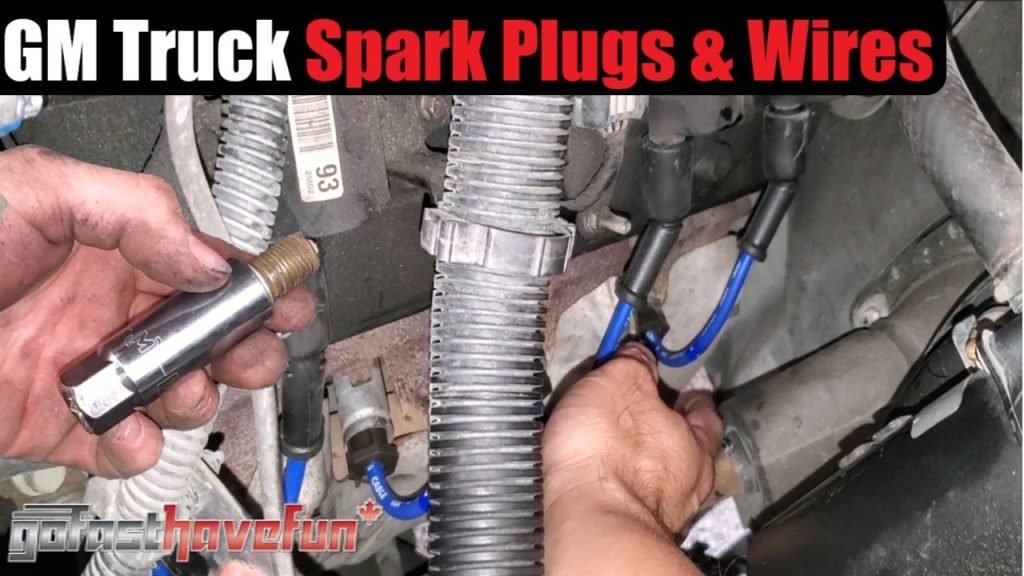
Start by locating the spark plug wires attached to the engine. Each wire connects from the spark plug to the ignition coil or distributor cap. Always pull the boot, not the wire itself, to avoid breaking the internal conductor.
Grip the boot firmly and twist it gently if it feels stuck. Sudden yanks can snap the wire or damage the spark plug. If you find it difficult, using a pair of spark plug wire pliers can help provide a better grip.
Handling Wires Carefully
Old wires can be brittle after years of heat and exposure. Handle them with care to prevent tearing or cracking. If a wire breaks, it might cause engine misfires or poor performance.
Lay the removed wires out in order so you remember their positions. This makes installing new wires easier and ensures the engine fires in the right sequence. Have you ever mixed up wires and struggled to fix the engine? Keeping things organized prevents that frustration.
Installing New Spark Plug Wires
Installing new spark plug wires is a simple task that improves engine performance. This step requires care to ensure the wires fit and connect properly. Proper installation prevents misfires and keeps the engine running smoothly.
Matching Wire Lengths
Each spark plug wire must match the length of the old wire. Using wires that are too long or too short can cause engine problems.
- Lay the new wires next to the old ones.
- Check that each new wire matches the length of its old counterpart.
- Replace wires one at a time to avoid confusion.
Correct wire length ensures the wires reach the spark plugs without stretching or bending.
Connecting Correctly
Connect each new wire to the correct spark plug and distributor terminal. Wrong connections cause engine misfires and poor performance.
- Attach one end of the wire firmly to the spark plug.
- Connect the other end to the distributor or ignition coil terminal.
- Make sure the connections snap into place securely.
Check all connections to avoid loose or faulty contacts. Secure wires away from hot engine parts.
Testing New Spark Plug Wires
After installing new spark plug wires, testing them is crucial to ensure your engine runs efficiently. Faulty wires can cause misfires, rough idling, or poor fuel economy. Taking a moment to carefully test your new wires can save you time and frustration down the road.
Starting The Engine
Once the new wires are connected, start your engine and listen closely. Pay attention to how the engine responds during ignition—does it crank smoothly without hesitation?
If the engine struggles to start or stalls quickly, double-check your wire connections. Sometimes a loose or incorrectly placed wire can cause issues that mimic a deeper engine problem.
Checking For Smooth Operation
After the engine is running, observe how it idles. A smooth, steady idle usually means the spark plug wires are functioning properly.
Watch for signs of misfiring, such as sudden drops in RPM or unusual engine noises. If the engine runs roughly or vibrates more than usual, test each wire individually with a spark tester.
Have you ever experienced a rough idle after changing parts, only to find a simple connection was the culprit? Taking these extra minutes to test can prevent that hassle.
Maintenance Tips For Longevity
Maintaining your spark plug wires properly extends their life and keeps your engine running smoothly. Small habits can prevent bigger issues down the road. Here are some practical tips to help you get the most out of your spark plug wires.
Regular Inspections
Check your spark plug wires every few months for cracks, burns, or signs of wear. Even small damage can cause misfires or poor engine performance.
Look for:
- Cracks or splits in the insulation
- Corrosion on the connectors
- Loose or damaged connections at the spark plugs or distributor
If you spot any issues, replace the wires immediately to avoid engine trouble. Have you noticed your engine hesitating or running rough? It might be time to inspect those wires closely.
Proper Storage
If you keep spare spark plug wires, store them carefully to avoid damage. Always keep them in a dry, cool place away from direct sunlight and chemicals.
Use these tips for storing wires:
- Coil them loosely to prevent kinks
- Avoid sharp bends that can weaken the wire inside
- Keep them in a sealed bag to protect from moisture and dust
Proper storage means your wires will be ready to use without issues when the time comes. Have you ever grabbed a wire only to find it cracked or brittle? Storing them well prevents that frustration.

Credit: www.youtube.com
Frequently Asked Questions
How Often Should Spark Plug Wires Be Replaced?
Spark plug wires should be replaced every 30,000 to 50,000 miles. Inspect them regularly for cracks or wear to ensure optimal engine performance and fuel efficiency.
What Tools Are Needed To Change Spark Plug Wires?
You need a spark plug wire puller, socket wrench, and dielectric grease. These tools help safely remove and install wires without damaging connectors or spark plugs.
Can I Replace Spark Plug Wires Myself?
Yes, replacing spark plug wires is a simple DIY task. Follow the correct wire order and handle wires carefully to avoid engine misfires or damage.
How Do I Identify Faulty Spark Plug Wires?
Look for visible cracks, corrosion, or worn insulation on wires. Engine misfires, rough idling, or decreased fuel efficiency also indicate faulty wires.
Conclusion
Changing spark plug wires can boost engine performance. It’s simple with the right steps. Always ensure safety first. Use quality tools for best results. Take your time and don’t rush. Refer to your vehicle manual. It guides specific requirements. Regularly inspect and replace wires.
It prevents engine problems. Keep your car running smoothly. Now, you’re ready to tackle this task. Enjoy a better driving experience!