
Is your lawn mower not starting as smoothly as it once did? Before you consider a costly replacement or professional repair, there might be a simple fix you can do yourself.
Changing a spark plug on your lawn mower can seem intimidating, but it’s easier than you might think. Imagine the satisfaction of reviving your machine with just a few simple steps and saving money at the same time. In this guide, you’ll discover how to change a spark plug on your lawn mower, ensuring it runs like new again.
By the end of this post, you’ll not only feel empowered but also equipped with the knowledge to tackle this task with confidence. Dive in and take the first step towards maintaining your lawn mower like a pro!
Credit: www.searspartsdirect.com
Tools Needed
Before you start changing the spark plug on your lawn mower, gathering the right tools is essential. Having everything at hand makes the job smoother and helps you avoid unnecessary trips to the store. Plus, using the correct tools protects your equipment from damage.
Spark Plug Wrench
A spark plug wrench is designed specifically to fit spark plugs, making removal and installation easier. It fits snugly around the plug, allowing you to turn it without slipping. If you’ve ever struggled with a regular wrench slipping off, you’ll appreciate having this specialized tool.
Socket Set
A socket set is another must-have for this task. It offers various sizes, which is handy if your spark plug wrench doesn’t fit perfectly. A ratchet handle paired with the right socket size helps you loosen or tighten the spark plug efficiently.
Gap Gauge
Checking the spark plug gap is crucial for optimal engine performance. A gap gauge measures the space between the electrodes to ensure it matches the manufacturer’s specifications. Have you ever ignored this step and noticed your mower running rough? This simple tool can save you that hassle.
Replacement Spark Plug
Always have a fresh replacement spark plug ready before starting. Make sure it matches your mower’s model specifications exactly. Using the wrong type can cause poor performance or even damage the engine.
Cleaning Supplies
Keeping the spark plug area clean helps prevent dirt from falling into the engine. A small wire brush and some rag cloths work well for removing debris and corrosion. Don’t underestimate the power of a clean workspace—it makes reassembly easier and safer.
Credit: www.familyhandyman.com
Safety First
Before you begin changing the spark plug on your lawn mower, prioritizing safety is essential. Small mistakes can lead to serious injuries or damage. Taking simple precautions can keep you safe and make the task smoother.
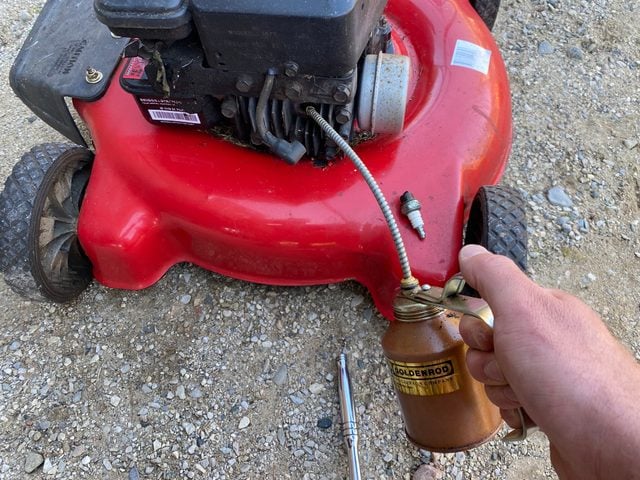
Disconnect Spark Plug Wire
Always disconnect the spark plug wire before you start working. This stops the engine from accidentally starting while your hands are near moving parts. It’s a quick step that prevents shocks or cuts.
Pull the wire by the boot, not the wire itself, to avoid damage. Have you ever felt a jolt because the engine started unexpectedly? This simple precaution saves you from that risk.
Work In A Well-ventilated Area
Lawn mower engines release fumes that can be harmful if you breathe them in too much. Working outside or in a garage with open doors lets fresh air flow around you. This reduces the chance of dizziness or headaches.
Think about how stale air feels after mowing the lawn on a hot day—now imagine working in that enclosed space while fixing your mower. Open windows or doors to keep air moving.
Wear Protective Gear
Protect your eyes and hands during the process. Safety glasses shield your eyes from dirt or debris that might fly up when you remove the spark plug. Gloves protect your hands from sharp edges and keep them clean.
It’s tempting to skip gloves for quick jobs, but a small cut can slow you down and cause infection. Have a pair of sturdy gloves nearby—it’s a small investment in your safety and comfort.
Locate The Spark Plug
Locating the spark plug is the first step in changing it on your lawn mower. It may seem tricky, but with the right approach, you can find it quickly. Knowing where the spark plug sits helps you avoid damage and makes the replacement easier.
Identify Engine Type
Different lawn mowers use various engine types. Common types include four-stroke and two-stroke engines. Four-stroke engines have a separate oil reservoir, while two-stroke engines mix oil with fuel.
Check your lawn mower manual or look for a label on the engine. This label often shows the engine model and type. Understanding the engine helps narrow down the spark plug location.
Find Spark Plug Position
The spark plug usually sticks out from the engine block. It has a thick wire attached to its top called the ignition wire. This wire delivers electricity to the plug.
- Look near the cylinder head of the engine.
- Find a small metal part with a wire connected.
- It may be covered by a rubber boot that you can pull off gently.
Sometimes dirt or grass can hide the spark plug. Clean the area first to see it clearly. A well-lit spot and a flashlight can help locate it faster.
Remove The Old Spark Plug
Removing the old spark plug is a crucial part of maintaining your lawn mower’s engine. It sets the stage for a smooth replacement and ensures your mower starts without any hiccups. Taking the time to do this carefully can save you from future engine troubles.
Clean Area Around Plug
Before you touch the spark plug, clear away any dirt or debris around it. Use a small brush or a cloth to gently clean the area. This prevents dirt from falling into the engine once the plug is removed, which could cause damage or poor performance.
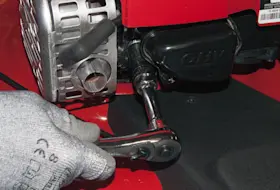
Use Spark Plug Wrench To Unscrew
Grab a spark plug wrench that fits your lawn mower’s plug snugly. Turn it counterclockwise to loosen the spark plug. Sometimes plugs are tight, so applying steady, even pressure is key—don’t rush or force it, or you might damage the threads.
Inspect The Old Plug
Take a close look at the spark plug once it’s out. Check for signs like carbon buildup, oily residue, or worn electrodes. These clues tell you a lot about your mower’s health and whether other engine parts might need attention.
Check And Adjust New Plug Gap
Checking and adjusting the gap on a new spark plug is essential for your lawn mower’s engine to run smoothly. The gap is the small space between the center and side electrodes of the spark plug. This space must match the manufacturer’s specifications to ensure proper ignition. A wrong gap can cause poor engine performance, hard starting, or increased fuel use.
Carefully measuring and adjusting the gap improves spark plug efficiency. It helps the spark jump correctly to ignite the fuel-air mix in the engine cylinder. This simple task can save you time and money on repairs.
Measure The Gap
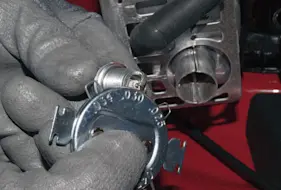
Use a spark plug gap tool or feeler gauge to measure the gap. Insert the tool between the electrodes gently. The tool should slide in with slight resistance. Check the gap size against the lawn mower’s manual or the spark plug box.
The correct gap usually ranges from 0.025 to 0.060 inches. Write down the measurement. If the gap matches the recommended size, no adjustment is needed.
Adjust Gap If Necessary
Adjust the gap by bending the side electrode carefully. Use the gap tool’s built-in adjuster or a small plier. Do not touch the center electrode. Adjust in small steps and measure again after each bend.
Close the gap by gently tapping the side electrode inward. Open the gap by bending it outward. Keep checking until the gap fits the recommended size.
Credit: www.searspartsdirect.com
Install The New Spark Plug
Installing the new spark plug is a key step in maintaining your lawn mower. It ensures the engine starts smoothly and runs efficiently. Handle the spark plug carefully to avoid damage.
Follow these simple actions to install the spark plug correctly. Use the right tools and avoid overtightening to protect the engine.
Screw In By Hand
Begin by placing the spark plug into the hole gently. Turn the spark plug clockwise using your fingers. This prevents cross-threading and damage to the threads. Make sure it fits snugly and moves smoothly. Hand screwing keeps the spark plug aligned properly.
Tighten With Wrench
Use a spark plug wrench or socket to tighten the spark plug. Turn it slowly until it feels secure. Do not overtighten; this can strip the threads or crack the plug. A good rule is to tighten about a quarter turn after it seats firmly. Check the spark plug’s manual for exact torque instructions if available.
Reconnect And Test
After replacing the spark plug, reconnecting and testing your lawn mower is a crucial step. This ensures the new plug is working correctly and your mower runs smoothly. Let’s walk through how to safely reconnect the spark plug wire and test the mower’s operation.
Attach Spark Plug Wire
Firmly attach the spark plug wire back onto the top of the spark plug. You should feel or hear a slight click, indicating a secure connection. A loose wire can prevent the mower from starting or cause inconsistent performance.
Double-check the wire isn’t frayed or damaged. If it looks worn out, replacing the wire might save you future headaches.
Start The Lawn Mower
Place the mower on a flat surface and ensure the blade control handle is engaged, if your model has one. Pull the starter cord or press the electric start button confidently.
Listen closely to how the engine responds. Does it start quickly or struggle? This can tell you a lot about whether the spark plug is doing its job.
Check For Proper Operation
Once the mower starts, let it run for a minute to stabilize. Notice any unusual noises, sputtering, or hesitation. These signs could mean the spark plug isn’t firing correctly or there’s another issue.
Have you ever ignored a small engine hiccup only to face a big repair later? Testing now can save you time and money down the road. If everything sounds smooth and the mower runs steadily, you’ve successfully changed the spark plug.
Maintenance Tips
Proper maintenance of your lawn mower’s spark plug can save you time and money while keeping your mower running smoothly. Small checks and timely care prevent bigger problems down the line. Let’s look at some practical tips to keep your spark plug in top shape.
Regular Spark Plug Checks
Check your spark plug every 25 hours of use or at least once a season. Look for signs of wear like carbon buildup, cracks, or corrosion on the electrodes. A clean, healthy spark plug ensures your mower starts quickly and runs efficiently.
Have you ever noticed your mower struggling to start? Often, a quick spark plug inspection can reveal the issue. Don’t wait until your mower refuses to start on a busy day.
When To Replace
Replace the spark plug if you see worn electrodes, heavy deposits, or if your mower runs roughly despite cleaning. Typically, spark plugs last around 100 hours of use but this can vary based on conditions.
Keep a spare spark plug handy. It can save your weekend when your mower suddenly won’t start. Remember, using the right type of spark plug specified in your mower’s manual makes a difference.
Cleaning Tips
Remove dirt and carbon deposits gently with a wire brush or spark plug cleaner. Avoid using sandpaper as it can damage the electrode surface.
After cleaning, check the electrode gap using a feeler gauge and adjust it to the manufacturer’s specification. A correct gap is crucial for a strong spark and smooth engine performance.
Have you tried cleaning your spark plug before replacing it? Sometimes, a little effort here can extend the plug’s life and keep your mower running longer without extra costs.
Frequently Asked Questions
How Often Should I Change Spark Plugs On A Lawn Mower?
You should change lawn mower spark plugs every 25 to 50 hours of use. Replace them annually if you use the mower less frequently. Regular changes ensure optimal engine performance and easier starts.
What Tools Do I Need To Change Lawn Mower Spark Plugs?
You need a spark plug socket wrench, a ratchet or wrench, and a spark plug gap tool. These tools help safely remove and install the spark plug, ensuring proper fit and function.
How Do I Check If My Lawn Mower Spark Plug Is Bad?
Look for signs like difficulty starting, rough engine idle, or poor performance. Remove the spark plug and check for carbon buildup or damage. A faulty spark plug should be cleaned or replaced promptly.
Can I Use Any Spark Plug For My Lawn Mower?
No, always use the spark plug recommended by your lawn mower manufacturer. Using the wrong type can cause engine problems and reduce mower efficiency.
Conclusion
Changing a spark plug on your lawn mower keeps it running well. It helps the engine start easily and work smoothly. Remember to use the right tools and a new spark plug. Clean the area before removing the old one.
Tighten the new spark plug just enough, not too much. Regular care like this saves money and time. Try it yourself and enjoy a better mowing experience. Simple steps lead to a healthy lawn mower engine.





