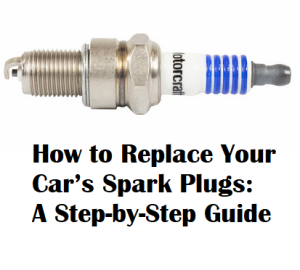
Is your lawn mower struggling to start or running unevenly? The spark plug might be the culprit.
Changing the spark plug is a simple fix that can make your mower run smoothly again. In this guide, you’ll learn exactly how to change the spark plug step-by-step, even if you’ve never done it before. By the end, you’ll save money, avoid costly repairs, and keep your lawn looking perfect all season long.
Ready to get your mower back in top shape? Let’s dive in.
Credit: www.searspartsdirect.com
Tools And Materials Needed
Before you start changing the spark plug in your lawn mower, gathering the right tools and materials is crucial. Having everything on hand prevents frustration and makes the process smoother and faster. Plus, using the correct tools protects your mower from damage.
Essential Tools
You’ll need a few basic tools that are usually found in most home toolkits. A spark plug wrench or a deep socket wrench is a must-have to reach and remove the spark plug easily. If you don’t have one, a 5/8-inch spark plug socket usually fits most lawn mower plugs.
A ratchet or a socket wrench will give you the leverage needed to loosen and tighten the spark plug without damaging it. Additionally, keep a gap gauge handy to check and adjust the spark plug gap before installation. Don’t forget a clean rag to wipe off dirt around the spark plug area to avoid debris falling into the engine.
Choosing The Right Spark Plug
Not all spark plugs work well with every lawn mower. Choosing the right one ensures your mower starts easily and runs efficiently. Check your mower’s owner manual or the existing spark plug for the correct model number and specifications.
Look for brands known for quality and durability; a cheap spark plug might cost less upfront but can lead to engine problems later. Pay attention to the heat range and electrode type as they impact performance and lifespan. Have you ever tried installing a spark plug only to find it didn’t fit or work properly? Taking the time to pick the right spark plug saves you from that hassle.
Prepare Your Lawn Mower
Preparing your lawn mower before changing the spark plug sets the foundation for a smooth and safe process. Taking a moment to get everything ready can save you frustration and prevent accidents. Let’s look at how to get your mower ready so the spark plug swap is quick and hassle-free.
Safety First
Before touching any part of your mower, make sure it is completely turned off. Remove the key or disconnect the spark plug wire to avoid accidental starts. This simple step protects you from unexpected engine ignition.
Wear gloves to protect your hands from dirt and sharp edges. Safety glasses are also a good idea to guard against debris. Don’t rush—your safety matters more than saving a few minutes.
Locate The Spark Plug
Finding the spark plug can sometimes feel like a treasure hunt, especially if you’re new to lawn mower maintenance. Typically, the spark plug is located on the engine’s side, attached to a thick wire leading to a small metal cylinder.
If you’re unsure, check your mower’s manual or look for a component with a rubber boot covering a metal tip near the engine block. Identifying the spark plug correctly ensures you don’t waste time unscrewing the wrong part.
Remove The Old Spark Plug
Removing the old spark plug is a key step in maintaining your lawn mower. It helps keep the engine running smoothly and efficiently. This part needs care to avoid damage. Follow these simple instructions to safely remove the spark plug.
Disconnect The Spark Plug Wire
First, locate the spark plug wire attached to the spark plug. Gently pull the boot at the end of the wire. Avoid pulling the wire itself to prevent damage. Set the wire aside safely, away from the spark plug hole.
Loosen And Remove The Plug
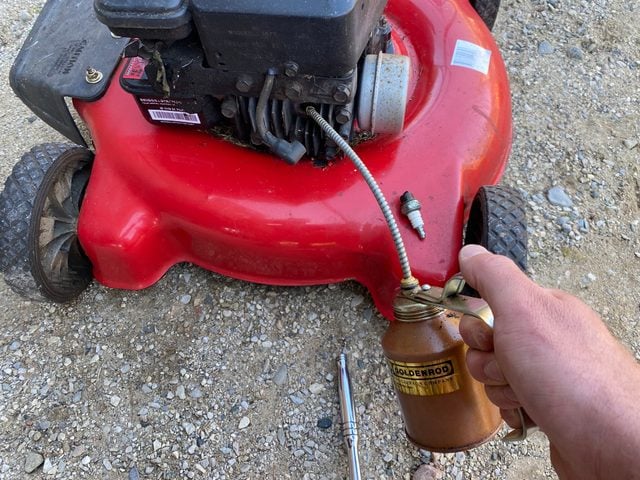
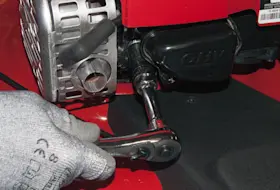
Use a spark plug socket wrench to fit over the plug. Turn the wrench counterclockwise to loosen the spark plug. Once loose, carefully remove the spark plug by hand. Keep the old spark plug for inspection or proper disposal.
Inspect And Gap The New Plug
Inspecting and gapping the new spark plug is a crucial step before installing it in your lawn mower. This ensures your engine runs smoothly and efficiently. Taking a few minutes to check the plug’s condition and adjust the gap can save you from future starting problems and poor performance.
Check Spark Plug Condition
Before installing, closely examine the spark plug for any defects or damage. Look for cracks in the ceramic insulator or bent electrodes, which could affect performance. A damaged plug won’t ignite the fuel properly, causing your mower to stall or run rough.
Also, make sure the plug is clean and free of debris. Sometimes, new plugs can have manufacturing residue or dirt. Wiping it gently with a clean cloth can help avoid misfires.
Adjusting The Gap
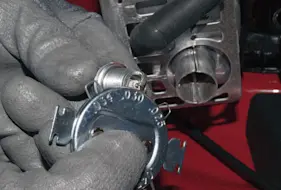
The gap between the spark plug’s electrodes is critical for creating a strong spark. If the gap is too wide or too narrow, your mower might struggle to start or run inefficiently. Check your lawn mower’s manual for the exact gap specification.
You can measure the gap using a spark plug gap tool or feeler gauge. If the gap is off, gently bend the ground electrode to adjust it. Be careful not to damage the electrode; small adjustments make a big difference.
Have you ever tried starting your mower only to find it sputtering? Adjusting the spark plug gap often fixes this simple but frustrating issue. Taking this extra step can make your mower start faster and run cleaner.
Install The New Spark Plug
Installing the new spark plug is a crucial step to ensure your lawn mower runs smoothly. Doing this carefully will prevent damage and help your engine start easily every time. Let’s look at how to thread the plug properly and tighten it just right.
Thread The Plug Carefully
Start by placing the spark plug into the hole by hand. Turn it slowly and gently to avoid cross-threading, which can damage the threads and lead to costly repairs.
If you feel any resistance or roughness, stop and realign the plug. Hand-threading gives you better control and reduces the risk of stripping the threads.
Tighten To Proper Torque
Once the spark plug is threaded in smoothly, it’s time to tighten it with a wrench. Use a torque wrench if you have one to apply the exact pressure recommended by your lawn mower’s manual.
If you don’t have a torque wrench, tighten the plug until it’s snug and then give it an additional 1/4 to 1/2 turn. Too tight can crack the plug or damage the engine, too loose can cause poor engine performance.
Have you noticed your mower struggling to start after changing the plug? Proper tightening might be the missing step.
Reconnect And Test
After replacing the spark plug, reconnecting and testing your lawn mower is crucial to ensure everything works smoothly. This final step lets you confirm that the new spark plug is correctly installed and your mower is ready for action. Taking a moment here can save you from unexpected trouble during your next mowing session.
Attach The Spark Plug Wire
Start by securely attaching the spark plug wire to the new spark plug. You want a snug fit—too loose, and the mower might not start; too tight, and you risk damaging the wire or plug. Press the wire boot firmly onto the spark plug until you feel it click or snap into place.
Have you ever experienced a mower that just won’t start after maintenance? Often, it’s because the wire wasn’t properly reconnected. Double-checking this connection can save time and frustration.
Start The Lawn Mower
With the wire attached, it’s time to start your lawn mower. Make sure the mower is on a flat surface and the blade is clear of debris. Pull the starter cord or turn the ignition key, depending on your mower’s model.
If the engine runs smoothly, you’ve successfully installed the spark plug. If it struggles or won’t start, recheck the wire connection and spark plug gap. Sometimes, a quick adjustment can make all the difference.
Maintenance Tips For Spark Plugs
Taking good care of your lawn mower’s spark plug can save you time and money. Proper maintenance ensures your mower runs smoothly and starts easily every time you need it. Knowing how to inspect and identify when to replace the spark plug helps avoid unexpected breakdowns during your yard work.
Regular Inspection
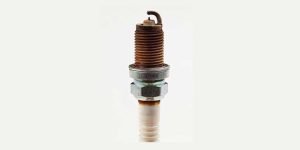
Check your spark plug at least once a season or after about 25 hours of use. Look for signs like carbon buildup, oil residue, or a worn electrode. These clues tell you if the spark plug is dirty or damaged.
Make sure the spark plug gap is correct—it affects how well your mower starts. Use a feeler gauge to measure the gap, and adjust it if necessary. A spark plug in good shape looks clean and has a consistent gap.
When To Replace
Replace the spark plug if you notice cracking, heavy deposits, or if cleaning doesn’t improve performance. Also, if your mower struggles to start or runs rough, a new spark plug could be the fix.
Many manufacturers recommend changing the spark plug yearly, even if it looks okay. This simple step keeps your engine firing efficiently and prevents bigger problems.
Credit: www.familyhandyman.com
Credit: www.searspartsdirect.com
Frequently Asked Questions
How Often Should I Change Lawn Mower Spark Plugs?
Change spark plugs every 25 hours of use or once per season. Regular replacement ensures optimal engine performance and fuel efficiency. Check the owner’s manual for specific intervals.
What Tools Do I Need To Change Spark Plugs?
You need a spark plug socket, ratchet wrench, and a gap gauge. These tools help safely remove and install spark plugs without damaging them.
How Do I Safely Remove A Spark Plug?
First, disconnect the spark plug wire by pulling the boot. Use a spark plug socket and ratchet to turn counterclockwise gently. Avoid applying excessive force to prevent damage.
Can I Clean A Spark Plug Instead Of Replacing It?
Yes, you can clean spark plugs with a wire brush if they’re dirty but not worn. However, replace them if the electrode is damaged or heavily fouled.
Conclusion
Changing a spark plug in a lawn mower is simple. Follow these steps for a smoother engine. Regular maintenance keeps your mower running efficiently. Always ensure the mower is off before you start. Use the right tools for the best results.
Check the new spark plug gap for accuracy. Securely tighten the plug without overdoing it. Finally, reconnect the spark plug wire. Your lawn mower should start easily now. Routine care extends the mower’s life. Enjoy a well-maintained lawn without hassle.
Happy mowing!