Changing your car’s oil is essential to keep your engine running smoothly. But what if you don’t have a siphon pump to remove the old oil?
Don’t worry—you can still do it yourself, and it’s easier than you might think. You’ll discover simple, step-by-step methods to change your oil without needing any special tools. By the end, you’ll save money, gain confidence, and keep your vehicle in great shape.
Ready to take control of your car maintenance? Let’s dive in!

Credit: www.amazon.com
Tools Needed
Changing your oil without a siphon pump is simple with the right tools. Having the proper equipment makes the job cleaner and faster. This section lists the tools needed to do the task efficiently. Keep these items ready before you begin.
Basic Equipment
- Wrench or socket set – for removing the drain plug
- Oil drain pan – to catch old oil safely
- Funnel – to pour new oil without spills
- New oil – check the owner’s manual for the correct type
- New oil filter – replace the old one for better performance
- Rags or paper towels – for cleaning spills and wiping hands
- Gloves – to protect your hands from hot oil and dirt
Optional Helpers
- Jack and jack stands – to raise the vehicle for easier access
- Oil filter wrench – helps remove tight oil filters
- Plastic scraper – to clean the drain plug seal
- Flashlight – to see under the vehicle clearly
- Container for recycling old oil – to dispose of oil properly
Safety Precautions
Changing oil without a siphon pump requires careful attention to safety. Hot oil and vehicle parts can cause burns or injuries. Taking the right precautions keeps you safe and prevents damage. Always prepare your workspace and wear proper gear before starting.
Protective Gear
Wear gloves to protect your hands from hot oil and dirt. Use safety goggles to shield your eyes from splashes. Long sleeves and pants help protect your skin from burns. Closed-toe shoes are important to avoid injuries from dropped tools or oil.
Safe Work Area
Choose a flat, stable surface to park your vehicle. Ensure the engine is cool before you start. Keep a fire extinguisher nearby in case of emergencies. Use jack stands to support the vehicle securely if you lift it. Avoid working near open flames or sparks to prevent fire risks.
Preparing Your Vehicle
Park your vehicle on a flat surface and turn off the engine. Gather all tools and materials needed for the oil change. Let the engine cool down to avoid burns during the process.
Preparing your vehicle is crucial for a smooth oil change. This ensures safety and efficiency. Begin by setting up your workspace. Gather necessary tools and materials. Keep them within easy reach.Warming Up The Engine
Start by turning on the engine for a few minutes. Warm oil flows better. It carries out more debris. Be cautious; don’t overheat the engine. Warm oil drains efficiently, making the process easier.Positioning The Car
Park your car on a flat surface. Ensure it’s stable and secure. Use wheel chocks to prevent any movement. Raise the vehicle with a jack if needed. Secure it with jack stands for safety. Ensure you have enough space to work underneath. Proper positioning is key for a hassle-free oil change.
Credit: www.amazon.com
Draining Oil Without A Pump
Draining oil without a siphon pump might sound tricky, but it’s completely doable with the right approach. Whether you forgot your pump or simply want to try a different technique, there are practical ways to get the job done. Let’s look at how you can effectively drain oil using gravity and manual suction.
Using Gravity Drain Method
Gravity is your friend when changing oil without a pump. First, make sure your vehicle is safely lifted or positioned so the oil pan is accessible and slightly tilted downward. This angle helps the oil flow out faster once you remove the drain plug.
Before loosening the drain plug, warm up your engine for a few minutes. Warm oil flows much better, making the draining process smoother and quicker. Then, place a container directly under the drain plug to catch the oil.
Be patient as the oil drains naturally. It might take a few minutes, but gravity will pull the oil out without needing extra tools. Have a rag ready to wipe any drips and avoid messes.
Manual Suction Techniques
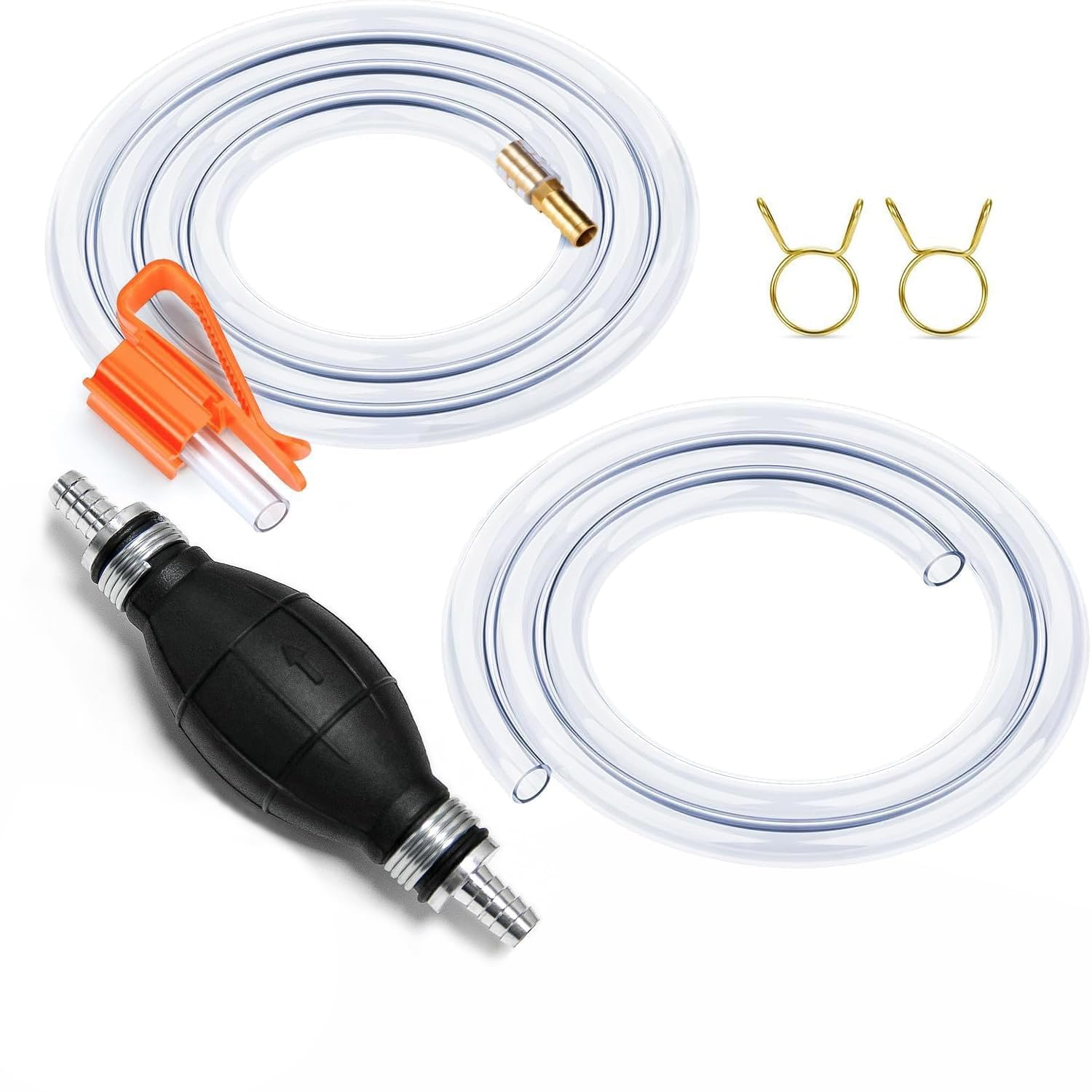
If you want to speed up the process or can’t tilt your vehicle, manual suction can help remove oil without a pump. One simple way is using a clean turkey baster or a long, flexible tube.
Insert the baster or tube into the oil filler hole and suck the oil out carefully. This method works best for smaller engines or when you only need to remove some oil, not the entire amount.
Another option is a hand-operated bulb syringe, often found in automotive or aquarium stores. It creates suction to pull oil out manually. Keep in mind this takes a bit more effort but avoids the need for a pump.
Have you tried any of these techniques before? Which felt more efficient or easier to handle? Your experience can help others feel confident about changing oil without specialized tools.
Removing The Drain Plug
Removing the drain plug is a key part of changing your oil without a siphon pump. It allows the old oil to flow out naturally. Doing this carefully helps avoid spills and damage to the oil pan.
Locating The Plug
Find the drain plug under the engine. It is usually a bolt at the bottom of the oil pan. Look for a small, round metal piece with a hexagonal head. It may have some oil residue around it. Use a flashlight if needed. The plug is often on the lowest part of the engine to let oil drain fully.
Loosening Tips
Use a wrench or socket that fits the drain plug well. Turn the plug counterclockwise to loosen it. Apply steady pressure to avoid stripping the bolt. If it is tight, try tapping the wrench lightly with a hammer to loosen it. Place a container under the plug to catch the oil. Slowly unscrew the plug by hand once it is loose. Let the oil drain completely before putting the plug back.
Collecting Old Oil
Collecting old oil without a siphon pump might seem tricky at first, but with the right approach, it becomes straightforward and mess-free. The key is to be prepared with the right tools and techniques. This ensures that the used oil is gathered safely, preventing contamination and spills that could harm your workspace or the environment.
Choosing A Container
Pick a container that is sturdy and has a wide opening to catch the oil easily. A clean, empty plastic jug or a metal oil drain pan works well. Make sure the container is large enough to hold all the oil your vehicle needs to drain.
Using a container with a secure lid is a smart move. It helps avoid accidental spills when you move the oil for disposal. Think about containers you already have at home before buying new ones — this can save money and reduce waste.
Preventing Spills
Position your container directly under the drain plug to catch every drop. If you’re worried about missing the target, place a piece of cardboard or an old towel underneath to catch any drips. This simple step can save you from hours of cleaning up oily stains.
Pouring the oil slowly into your container can also reduce spills. If the flow is too fast, the oil may splash out. If you’ve ever had oil spill on your driveway, you know how tough it is to clean, so take your time here.
Have you ever thought about how small spills add up over time? Keeping a clean and tidy workspace not only protects your tools but also shows respect for your environment. Keeping these tips in mind will make your oil change cleaner and easier every time.
Replacing The Oil Filter
Replacing the oil filter is a key part of changing your vehicle’s oil. It helps remove dirt and debris from the engine oil. A clean filter keeps the engine running smoothly and extends its life. Knowing how to remove and install the oil filter correctly saves money and time.
Removing Old Filter
First, locate the oil filter under the hood or beneath the car. Use an oil filter wrench to loosen it by turning counterclockwise. Be careful as oil may spill when removing the filter. Place a container underneath to catch any drips. Once loose, unscrew the filter by hand and set it aside. Check the filter mounting surface and clean it with a rag to remove old oil and debris.
Installing New Filter
Before installing, apply a thin layer of new oil on the rubber gasket of the new filter. This helps create a good seal and makes future removal easier. Screw the new filter onto the mounting surface by hand. Tighten it firmly but avoid over-tightening, which can damage the gasket. After installing, check for leaks by running the engine briefly. Tighten more if needed, but keep it snug.
Adding New Oil
Adding new oil after draining the old one is a crucial part of changing your vehicle’s oil without using a siphon pump. Doing it right ensures your engine runs smoothly and avoids potential damage. Let’s focus on how to choose the right oil and pour it effectively into your engine.
Selecting The Right Oil
Choosing the correct oil type is more than just picking any bottle off the shelf. Check your vehicle’s owner manual for the recommended oil viscosity and grade. Using the wrong oil can lead to poor engine performance or even costly damage.
If you’re unsure, consider factors like your driving conditions and climate. For instance, synthetic oils offer better performance in extreme temperatures, while conventional oils can be fine for regular city driving. Don’t overlook the oil’s certification marks like API or ACEA—they ensure quality and compatibility.
Pouring Techniques
Pouring oil might seem simple, but doing it carefully prevents spills and messes. Use a clean funnel to guide the oil into the engine’s fill hole accurately. This also helps you avoid dropping oil on hot engine parts, which can create smoke or unpleasant smells.
Pour the oil slowly, checking the dipstick frequently to avoid overfilling. Overfilling can cause foaming and reduce lubrication efficiency. Have a rag handy to wipe any accidental spills immediately to keep your workspace safe and clean.
Checking Oil Levels
Checking oil levels is an essential part of maintaining your vehicle’s health, especially when changing oil without using a siphon pump. Ensuring your engine has the right amount of oil can prevent significant issues down the road. But how exactly do you check your oil levels effectively?
Using The Dipstick
First, locate the dipstick, usually marked with a bright handle, under your car’s hood. Pull it out and wipe it clean with a rag or paper towel. Insert it back into the tube, then remove it again to check the oil level against the markings on the dipstick.
These markings typically indicate minimum and maximum oil levels. You want your oil level to fall between these marks. If it’s below the minimum, it’s time to add some oil.
Adjusting As Needed
If your oil level is low, adding more is simple. You’ll need the correct type of oil for your vehicle, which you can find in your owner’s manual. Slowly pour the oil into the oil fill cap, checking with the dipstick after each addition.
It’s a bit like adding salt to a dish—you want to be careful not to overdo it. Adding too much oil can be just as harmful as having too little. Have you ever thought about how a small oversight could lead to bigger headaches?
By taking the time to properly check and adjust your oil levels, you’re investing in the longevity of your vehicle. The process is straightforward and can save you from costly repairs in the future. Isn’t that peace of mind worth a few extra minutes?
Disposing Old Oil
Disposing of old oil properly is just as important as changing it. If you dump it down drains or on the ground, it can cause serious damage to the environment and local water supplies. Handling your used oil responsibly protects your community and keeps nature clean.
Recycling Options
Used oil can be recycled and turned into new motor oil or fuel. Many auto shops and service centers accept used oil for free. You can also find local recycling centers by searching online or checking with your city’s waste management department.
Keep your old oil in a clean, sealed container to avoid spills. Label it clearly so recycling centers know what it is. Have you ever thought about how much oil you save from polluting by recycling?
Environmental Tips
Never pour old oil into drains, soil, or garbage bins. Even a small amount can contaminate large water areas and harm wildlife. If you accidentally spill oil, clean it immediately using absorbent materials like kitty litter or sand.
Consider using eco-friendly oil next time you change your vehicle’s oil. It reduces pollution and helps the environment. What small step can you take today to reduce your impact while maintaining your car?
Troubleshooting Common Issues
Troubleshooting is key when changing oil without a siphon pump. Small problems can stop the process or cause damage. Knowing common issues helps fix them fast. This keeps your engine safe and running well.
Leaks And Drips
Oil leaks often happen if the drain plug is loose or the washer is old. Tighten the plug carefully. Replace the washer if it looks worn out. Check the oil filter seal for cracks or damage. A bad seal lets oil drip out.
Spilled oil makes a mess and can harm parts. Clean spills quickly with a rag. Use a drip pan to catch oil during draining. Watch for oil stains under your car after the change.
Oil Pressure Problems
Low oil pressure means the engine might not get enough lubrication. After oil change, check the oil level with the dipstick. Too little or too much oil causes pressure issues.
Faulty oil filters can block flow. Always use the correct filter type for your vehicle. Make sure the filter is tight, but not too tight. Loose filters reduce pressure and can leak.
Cold oil is thicker and may cause temporary pressure drops. Run the engine a few minutes to warm the oil. Oil pressure should rise as the oil heats up.
Credit: www.amazon.com
Frequently Asked Questions
How Can I Change Oil Without A Siphon Pump?
You can change oil by draining it through the oil drain plug. Warm the engine, loosen the plug, and let oil drain fully into a container. Replace the plug and refill with new oil. This method avoids the need for a siphon pump.
What Tools Are Needed To Change Oil Without Siphon?
You need a wrench for the drain plug, an oil catch pan, fresh oil, and a new oil filter. Additionally, use gloves and rags for cleanliness. No siphon pump is required when draining oil from the plug.
Is It Safe To Change Oil Without A Siphon Pump?
Yes, it is safe when done correctly. Draining oil from the plug reduces contamination risk. Ensure the engine is warm and the vehicle is stable. Proper disposal of used oil is essential for safety and environmental care.
How Long Does Oil Draining Take Without A Pump?
Oil draining typically takes 5 to 10 minutes after loosening the drain plug. Warm oil flows faster, so warm the engine before draining. Ensure all oil is fully drained to maintain engine performance.
Conclusion
Changing oil without a siphon pump is simple and doable. Use a funnel and drain plug to guide the oil out. Take your time and work carefully to avoid spills. This method saves money and gives you control over the process.
Clean tools and proper disposal keep the environment safe. Try this easy way next time your car needs fresh oil. You’ll feel proud doing the job yourself. No fancy tools needed, just patience and care.