
Are you tired of your lawn mower not starting or running smoothly? It might be time to change the spark plug.
This small yet vital component plays a crucial role in keeping your mower’s engine running efficiently. If you’ve ever felt frustrated by a mower that sputters or refuses to start, you’re not alone. Many homeowners overlook the spark plug, but it could be the quick fix you need to get back to a perfectly manicured lawn.
In this guide, we’ll walk you through the simple steps to replace your lawn mower’s spark plug, ensuring you can maintain your yard with ease and confidence. Stick around, and you’ll discover just how straightforward this process can be, saving you both time and money in the long run.
Signs Of A Worn Spark Plug
Recognizing the signs of a worn spark plug can save you time and money on lawn mower repairs. A faulty spark plug affects your mower’s performance and could leave you stranded mid-task. Paying attention to these signs helps you know exactly when it’s time to replace it.
Engine Starting Problems
Does your lawn mower struggle or fail to start? A worn spark plug might be the culprit. It provides the spark that ignites the fuel-air mixture in the engine, so if it’s weak or damaged, ignition becomes difficult.
Imagine spending extra minutes pulling the starter cord with no success. That’s a clear hint your spark plug isn’t firing properly. Checking this first can save you from unnecessary parts replacement or costly visits to the repair shop.
Poor Fuel Efficiency
Have you noticed your mower using more fuel than usual? A bad spark plug can cause incomplete combustion, meaning your engine burns fuel inefficiently. This not only wastes gas but also increases emissions.
When your spark plug fails to ignite the fuel fully, your mower might need more fuel to run the same amount of time. Monitoring fuel consumption can be a practical way to catch spark plug issues early.
Rough Idling And Misfires
Does your lawn mower shake or sputter while idling? Rough idling and engine misfires often point to spark plug problems. The engine’s rhythm depends on consistent sparks; when that’s interrupted, it stumbles.
You might feel the mower vibrating more than usual or hear popping sounds. These symptoms show your spark plug is struggling to keep the engine running smoothly, signaling it’s time for a replacement.
Tools And Materials Needed
Changing your lawn mower’s spark plug is simpler than it seems, but having the right tools and materials ready makes the job much smoother. Before you start, gather everything you need to avoid interruptions and save time. Knowing exactly what to use helps you work efficiently and prevents any damage to your mower.
Spark Plug Wrench
A spark plug wrench is essential for removing and installing the spark plug safely. It fits snugly around the plug, giving you the leverage to twist it without slipping. If you don’t have one, a deep socket wrench of the correct size (usually 5/8 inch or 13/16 inch) can work as well.
Using the right wrench reduces the risk of breaking the plug or damaging the threads. Have you ever tried to loosen a stubborn spark plug with pliers? It rarely ends well and often leads to extra repairs.
Replacement Spark Plug
Always use a replacement spark plug recommended by your mower’s manufacturer. The right heat range and size ensure optimal engine performance and longevity. Check your owner’s manual or the old spark plug for the exact model number.
Buying a generic or incorrect spark plug might seem like a good deal, but it can cause starting problems or engine damage. Think about it—would you use the wrong key on your front door? Your mower’s spark plug is just as specific.
Cleaning Supplies
Before installing the new spark plug, cleaning the area around the spark plug hole is crucial. Dirt or debris falling into the engine can cause serious damage. Use a clean rag or compressed air to clear away any grime.
Additionally, a wire brush or spark plug cleaner helps remove carbon deposits from the old plug if you plan to inspect or reuse it temporarily. Keeping everything clean ensures a good connection and smooth engine operation.
Preparing The Lawn Mower
Preparing the lawn mower before changing the spark plug is essential. It ensures safety and makes the process easier. Taking time to get ready helps avoid problems later. A clean and safe workspace leads to better results.
Safety Precautions
Turn off the lawn mower completely. Disconnect the spark plug wire to stop accidental starts. Wear gloves to protect your hands from dirt and sharp parts. Work in a well-ventilated area. Avoid wearing loose clothes that can get caught in moving parts.
Locating The Spark Plug
The spark plug is usually near the engine’s top or side. Look for a thick wire connected to a small metal part. This metal part is the spark plug. If unsure, check the lawn mower’s manual for exact location. Clear visibility makes removing the spark plug easier.
Cleaning The Area
Use a brush or cloth to remove dirt and grass around the spark plug. Clean the area well to prevent debris from falling into the engine. Dirt can cause problems when removing or installing the spark plug. A clean surface helps the tool grip better.
Removing The Old Spark Plug
Removing the old spark plug is a crucial step in maintaining your lawn mower. This process ensures the engine runs smoothly and efficiently. Start by preparing your tools and workspace for safe and easy removal. Take your time to avoid damaging any parts.
Disconnecting The Spark Plug Wire
Locate the spark plug wire attached to the spark plug. Grip the boot firmly, not the wire, to pull it off. Wiggle gently if it feels stuck. Keep the wire away from the spark plug opening to prevent accidental starting.
Loosening And Extracting The Plug
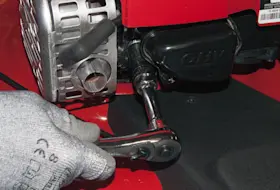
Use a spark plug socket and ratchet to loosen the plug. Turn counterclockwise until it feels free. Remove the plug by hand once loose. Check the plug for dirt or damage before discarding. Place it on a clean surface to avoid confusion.
Inspecting And Gapping The New Plug
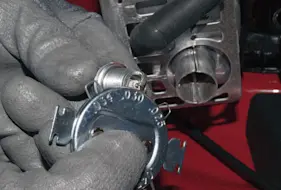
Inspecting and gapping the new spark plug ensures your lawn mower runs smoothly. A correct gap improves engine start-up and performance. Before installation, check the spark plug carefully. Look for any damage or defects. Next, measure the gap between the electrodes. Adjust it if needed to match the manufacturer’s recommendation. This simple step prevents engine problems and saves repair costs.
Checking The Electrode Gap
The electrode gap is the space between the center and side electrodes. Use a spark plug gap tool or feeler gauge. Insert the tool gently between the electrodes. The tool should slide in with slight resistance. If the gap is too wide, the spark may be weak. If too narrow, the spark may not form properly. Check the lawn mower manual for the exact gap size. Typical gaps range from 0.025 to 0.035 inches.
Adjusting The Gap
Adjust the gap carefully to avoid damaging the electrodes. Use the gap tool’s bending feature or a small flat tool. To widen the gap, gently bend the side electrode away from the center. To narrow it, push the side electrode closer to the center. Measure the gap again after adjustment. Repeat until the gap matches the recommended size. Do not force the electrodes or bend too much. Proper gapping enhances spark plug efficiency and mower performance.

Credit: www.youtube.com
Installing The New Spark Plug
Installing the new spark plug correctly is key to keeping your lawn mower running smoothly. It’s a straightforward task but requires care to avoid damaging the threads or over-tightening the plug. Let’s break down the process into two clear actions that will help you get it done right.
Threading The Plug By Hand
Start by carefully aligning the spark plug with the hole on your mower’s engine. Always thread it in by hand first. This prevents cross-threading, which can damage the engine and cause costly repairs.
Turn the spark plug gently in a clockwise direction. If you feel resistance or it doesn’t turn smoothly, stop and realign it. Have you ever forced a spark plug only to regret it later? Taking your time here saves you trouble down the road.
Tightening With A Wrench
Once the plug is hand-tight, use a spark plug wrench to secure it firmly. Avoid using excessive force; snug is usually enough. Over-tightening can strip the threads or crack the plug.
If you’re unsure how tight is tight enough, a good rule is to turn the wrench about a quarter to half turn after hand-tightening. Some spark plugs also specify torque values—checking your mower’s manual can help you get this exactly right.
Reconnecting And Testing
After replacing the spark plug, reconnecting and testing are essential. This ensures the lawn mower runs properly and safely. Careful steps help avoid damage and improve engine performance.
Attaching The Spark Plug Wire
Hold the spark plug wire by its boot, not the wire itself. Push the boot firmly onto the top of the new spark plug. You should feel a click or snug fit. This connection allows electricity to reach the plug and ignite the engine.
Starting The Engine
Move the mower to an open area. Make sure the fuel valve is open and the choke is in the start position. Pull the starter cord or turn the ignition key. Listen for the engine to catch and run smoothly.
Checking For Smooth Operation
Watch the engine run for a few minutes. It should sound steady without sputtering or stalling. If it runs rough, check the spark plug wire connection again. A well-running engine means the spark plug is correctly installed and working well.
Credit: www.searspartsdirect.com
Maintenance Tips For Longevity
Maintaining your lawn mower ensures it works well for years. Small habits help avoid costly repairs and keep your mower running smoothly. Focus on key care points to extend the spark plug’s life and overall mower health.
Regular Spark Plug Checks
Check the spark plug every season or after 25 hours of use. Look for signs like dirt, wear, or damage. Clean the plug with a wire brush or replace it if the electrode is worn out. A good spark plug helps your mower start easily and run efficiently.
Using Quality Fuel
Use fresh, clean fuel to protect the engine and spark plug. Old or dirty fuel causes deposits that harm the spark plug’s performance. Avoid fuel with more than 10% ethanol, as it can damage engine parts. Store fuel in a sealed container to keep it fresh.
Storing Your Mower Properly
Store your mower in a dry, sheltered place to prevent rust and moisture damage. Before storing, drain the fuel or add a fuel stabilizer to avoid gum buildup. Remove the spark plug and clean it if you plan to store the mower for months.
Credit: www.searspartsdirect.com
Frequently Asked Questions
How Often Should I Change My Lawn Mower Spark Plug?
Change your lawn mower spark plug every 25 hours of use or once per season. Regular replacement ensures efficient engine performance and easy starting.
What Tools Do I Need To Change The Spark Plug?
You need a spark plug socket wrench, a ratchet, and a gap gauge. These tools help you safely remove and install the spark plug.
How Do I Check The Spark Plug Gap Correctly?
Use a spark plug gap gauge to measure the gap. Adjust the gap to the manufacturer’s specifications for optimal engine performance.
Can A Dirty Spark Plug Cause Mower Starting Issues?
Yes, a dirty or fouled spark plug can prevent ignition. Cleaning or replacing it restores proper spark and smooth engine running.
Conclusion
Changing your lawn mower spark plug keeps the engine running well. It helps your mower start quickly and work smoothly. A clean, new spark plug saves fuel and reduces smoke. You only need a few tools to do this job.
Take your time, follow the steps carefully, and stay safe. Doing this small task can save money on repairs later. Keep your mower ready for every lawn care day. Simple maintenance makes a big difference. Easy and worth it.





