Are you tired of your lawn mower leaving patches of uncut grass? Maybe it’s time to change your mower’s blades.
Sharp blades are crucial for a clean cut and a healthy lawn. But don’t worry, swapping out those dull blades for sharp ones is easier than you might think. Whether you’re a seasoned gardener or a weekend warrior, mastering this simple task can make all the difference in the appearance of your lawn.
In this guide, we’ll walk you through the step-by-step process of changing blades on your lawn mower, so you can achieve that perfect, even cut every time. Stick with us, and you’ll be ready to tackle this task with confidence!
Tools Needed
Changing the blades on your lawn mower is a task you can handle yourself, but having the right tools makes all the difference. Without proper equipment, the job can become frustrating or even unsafe. Let’s look at exactly what you’ll need to get this done smoothly and effectively.
Essential Equipment
First, you’ll need a few basic tools that are commonly found in most toolkits. A wrench or socket set is crucial for loosening and tightening the blade bolts. Some mower models require a specific size, so check your mower’s manual to know the exact fit.
A sturdy block of wood or a blade holder tool will keep the blade from spinning while you work. This simple addition saves you from struggling and potential injury. Don’t forget a screwdriver if your mower has a cover or shield that needs to be removed before accessing the blade.
- Wrench or socket set (check your mower manual for size)
- Blade holder tool or block of wood
- Screwdriver (usually Phillips or flathead)
- Work gloves for grip and protection
Safety Gear
Your safety matters most during this task. Thick gloves protect your hands from sharp blade edges and provide better grip when handling parts. Eye protection is also important because dirt or rust can fall while you work under the mower.
Consider wearing long sleeves to shield your arms from scratches. If you have access to a dust mask, it can help keep you safe from inhaling debris. These precautions might seem small, but they make the process safer and less stressful.
- Protective gloves
- Safety goggles or glasses
- Long-sleeve shirt
- Optional: Dust mask
Have you ever tried working without the right tools or safety gear? It’s easy to underestimate how much difference these simple items make. Preparing your workspace with the right equipment not only speeds up the job but keeps you safe and confident throughout.

Credit: www.youtube.com
Preparing The Mower
Preparing your lawn mower properly sets the stage for a safe and smooth blade change. Skipping essential safety steps can lead to accidents or damage to the mower. Taking a moment to prepare your mower correctly helps you work confidently and efficiently.
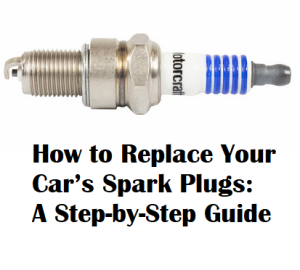
Disconnecting The Spark Plug
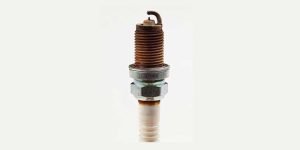
Before doing anything, disconnect the spark plug wire from the spark plug. This simple action prevents the mower from accidentally starting while you’re working on it. Imagine trying to change the blade and the engine suddenly kicks in—that’s a risk you don’t want to take.
To disconnect, locate the spark plug on the engine, usually near the top. Pull the wire off gently by gripping the boot, not the wire itself, to avoid damage. Keep the wire away from the plug during your work to ensure it stays disconnected.
Positioning The Mower
Position the mower on a flat, stable surface to avoid any movement while you work. If your mower has a gas tank, it’s best to empty it or run the engine until it’s low on fuel. This reduces the risk of spills and makes the mower easier to tilt.
Next, tilt the mower carefully to access the blades. Most mowers should be tilted with the carburetor and air filter facing up to prevent oil leaks. If you’re unsure about your mower’s orientation, check the owner’s manual to protect your machine.
Removing The Old Blade
Removing the old blade is an essential part of lawn mower maintenance. It keeps your mower working well and cuts grass cleanly. This step requires care and the right tools. Follow the guide carefully to remove the blade safely and easily.
Loosening The Blade Bolt
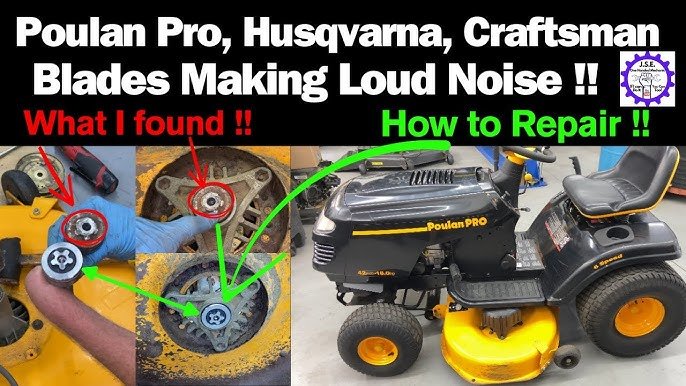
First, disconnect the spark plug wire. This stops the mower from starting accidentally. Turn the mower on its side with the carburetor facing up. Use a piece of wood to block the blade. This stops the blade from turning.
Use a wrench to turn the blade bolt counterclockwise. Some bolts may be tight. Apply steady pressure and avoid sudden force. If the bolt is stuck, try a penetrating oil. Wait a few minutes and try again.
Handling The Blade Safely
The blade edges are sharp. Wear thick gloves to protect your hands. Hold the blade firmly when removing it. Place the blade on a flat surface. Keep it away from children and pets.
Check the blade for damage or wear. Do not use a bent or cracked blade. Dispose of old blades properly. Recycle if possible to protect the environment.

Credit: www.youtube.com
Choosing The Right Replacement Blade
Choosing the right replacement blade for your lawn mower is a key step to ensure efficient cutting and maintain the health of your grass. Picking the wrong blade can damage your mower or lead to uneven cuts. Understanding blade types and matching the correct blade size to your mower helps you get the best performance.
Blade Types
Lawn mower blades come in different styles, each designed for specific cutting needs. The most common types are:
- Standard blades:These are basic blades that provide a clean, straight cut. They’re ideal for regular lawn maintenance.
- Mulching blades:Designed with curved edges, these blades finely chop grass clippings and redistribute them as natural fertilizer.
- High-lift blades:These blades create strong suction to lift grass for a cleaner cut and better bagging performance.
Think about how you use your mower. If you prefer to leave clippings on the lawn, mulching blades might be your best choice. Do you often bag clippings? High-lift blades can help with that. Choosing the right blade type impacts how your lawn looks and how your mower operates.
Matching Blade Size
Blade size is not one-size-fits-all. Using a blade that doesn’t match your mower can cause vibration, damage, or poor cutting results. Check your mower’s manual or the existing blade for size details.
Blade size usually includes length, width, and the hole size for mounting. You can measure your current blade or find specifications online based on your mower’s model. Make sure the replacement blade matches these measurements exactly.
Have you ever tried using a blade that seemed too big or too small? It probably didn’t work well and might have caused damage. Taking a few minutes to verify the correct size saves you from headaches and ensures your mower runs smoothly.
Installing The New Blade
Installing the new blade on your lawn mower requires careful attention. Proper installation ensures safety and optimal cutting performance. Follow these simple steps to secure the blade correctly.
Aligning The Blade
Place the new blade on the mower’s spindle. Make sure the sharp edges face the right direction. The blade’s holes should match the holes on the spindle. Check that the blade sits flat and even. Misalignment can cause vibrations and uneven cuts.
Tightening The Bolt
Use the correct wrench to tighten the bolt that holds the blade. Turn the bolt clockwise to secure the blade firmly. Apply enough force to keep the blade from moving. Avoid over-tightening to prevent damage. A loose blade can be dangerous and cause injury.
Testing The Mower
Testing the mower after changing the blades is important. It helps confirm the blades are installed correctly and the mower works safely. Take time to check every part before full use.
Reconnecting The Spark Plug
First, reconnect the spark plug wire to the spark plug. This step powers the engine to start the mower. Make sure the connection is tight and secure. A loose connection can prevent the mower from starting.
Starting And Inspecting
Start the mower on a flat surface. Listen for any unusual sounds from the blades or engine. Watch the blade area carefully to ensure smooth rotation. If you notice vibrations or wobbling, turn off the mower immediately.
Check the grass cutting pattern after a short run. The cut should be even without any missed spots. Stop the mower and inspect the blade edges for damage or loose bolts. Tighten bolts if necessary before using the mower fully.
Maintenance Tips
Keeping your lawn mower blades in top shape is key to a clean, even cut and extends the life of your mower. Proper maintenance not only improves performance but also ensures safety when changing or handling blades. Let’s look at some practical tips that can save you time and effort during your next blade change.
Regular Blade Sharpening
Dull blades tear grass instead of cutting it cleanly, causing brown tips and stressing your lawn. Sharpen your blades every 20-25 hours of mowing or at least once a season to keep the cut crisp and healthy.
You can sharpen blades using a bench grinder or a hand file. Make sure to balance the blade afterward by hanging it on a nail or using a blade balancer tool; an unbalanced blade causes vibrations and damages the mower.
Ask yourself: How often have you noticed uneven patches after mowing? Regular sharpening might be the simple fix you’re overlooking.
Safe Storage Practices
After changing or sharpening blades, store them safely to avoid accidents and prevent rust. Keep blades in a dry, well-ventilated area away from moisture and children.
Consider wrapping blades in cloth or placing them in a sturdy container. Labeling your storage with the date of last sharpening can help you track maintenance intervals easily.
Think about your current blade storage habits—could better organization protect your tools and your fingers?

Credit: www.espares.co.uk
Frequently Asked Questions
How Often Should I Change Lawn Mower Blades?
Change blades every 20-25 hours of use or once per mowing season. Dull blades tear grass, causing damage. Inspect blades regularly and replace if dull, bent, or damaged for clean cuts and healthy lawn growth.
What Tools Do I Need To Change Mower Blades?
You need a socket wrench or blade removal tool, gloves, and a block of wood. The wood prevents blade rotation. Use gloves for safety. Always disconnect the spark plug before starting to avoid accidental starts.
Can I Sharpen Lawn Mower Blades Instead Of Changing?
Yes, sharpening blades can extend their life. Sharpen blades when you notice uneven cuts or ragged grass. However, replace blades if they are bent, cracked, or excessively worn for optimal performance and safety.
How Do I Safely Remove Lawn Mower Blades?
Disconnect the spark plug to prevent accidental starts. Use a block of wood to secure the blade. Loosen the bolt with a wrench by turning it counterclockwise. Carefully remove the blade, noting its orientation for correct reinstallation.
Conclusion
Changing lawn mower blades keeps your grass healthy and your mower safe. Always use the right tools and follow steps carefully. Tighten bolts firmly to avoid accidents. Check blades regularly for sharpness and damage. A sharp blade cuts cleanly and saves you time.
Taking a little time now helps your mower last longer. Stay safe, work slowly, and enjoy a neat lawn every season. Simple care makes a big difference in your yard’s look.