If your lawn mower is struggling to start or running unevenly, the spark plug might be the problem. Changing a spark plug is one of the easiest and most effective ways to keep your mower running smoothly.
In this guide, you’ll learn exactly how to change a spark plug step-by-step, even if you’ve never done it before. By the end, you’ll save time, avoid costly repairs, and get your lawn mower back to perfect working order. Ready to make your mower run like new again?
Let’s get started!
Tools You Need
Changing a spark plug on your lawn mower needs the right tools. Having these tools ready makes the job easier and faster. Each tool plays a key role in ensuring your lawn mower runs smoothly after the change.
Spark Plug Wrench
A spark plug wrench fits the spark plug perfectly. It helps you remove the old plug without damage. It also tightens the new plug securely. Choose a wrench size that matches your lawn mower’s spark plug.
Replacement Spark Plug
The new spark plug must match your mower’s engine. Check the model number in your owner’s manual. Using the right spark plug improves engine performance and fuel efficiency. Keep a spare plug handy for future changes.
Gap Gauge
A gap gauge measures the space between the spark plug electrodes. This gap affects the spark’s strength and engine start. Adjust the gap to the manufacturer’s recommended size. A proper gap prevents engine misfires and rough idling.
Cleaning Supplies
Clean the spark plug area before installing the new plug. Use a wire brush to remove dirt and debris. A rag helps wipe the area clean. Clean parts ensure a good connection and better engine function.
Credit: www.searspartsdirect.com
Prepare Your Mower
Before you dive into changing the spark plug on your lawn mower, getting your mower ready is essential. This preparation ensures your safety and makes the process smoother. Taking simple precautions can prevent accidents and save you time.
Turn Off And Cool Down
Always make sure your lawn mower is completely turned off before you start. Even if you just finished mowing, the engine parts can stay hot for a while. Touching a hot engine can cause burns and make the task uncomfortable.
Give your mower at least 30 minutes to cool down. This waiting period protects your hands and tools from heat damage. Have you ever tried fixing something only to realize it was too hot to touch? Avoid that by waiting patiently.
Disconnect The Spark Plug Wire
Next, locate the spark plug wire and carefully pull it off the spark plug. This step stops the engine from accidentally starting while you’re working. It’s a simple action that greatly increases your safety.
Use your hand to grasp the boot firmly, not the wire, to avoid damage. If the wire feels stuck, gently twist it back and forth while pulling. Think of this like unplugging a fragile electrical device—you want to be firm but gentle.
Remove The Old Spark Plug
Removing the old spark plug is a crucial part of maintaining your lawn mower. It ensures your engine runs smoothly and efficiently. Let’s break down this step so you can handle it with confidence.
Locate The Spark Plug
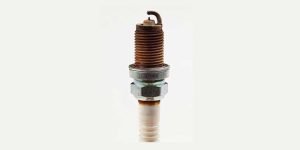
First, find the spark plug on your lawn mower’s engine. It usually sticks out from the engine block and has a thick wire attached to it. You might need to remove a cover or clear away some grass clippings to see it clearly.
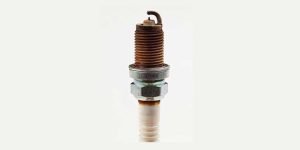
Take a moment to check if the spark plug looks dirty or corroded. Have you ever seen a spark plug covered in black soot? That’s a sign it’s time for a replacement.
Use The Wrench To Unscrew
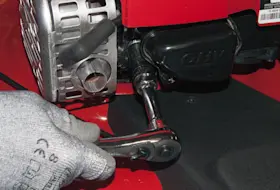
Grab a spark plug wrench or a socket wrench with the right size socket. Fit it snugly over the spark plug’s hexagonal head. Turn it counterclockwise to loosen the plug.
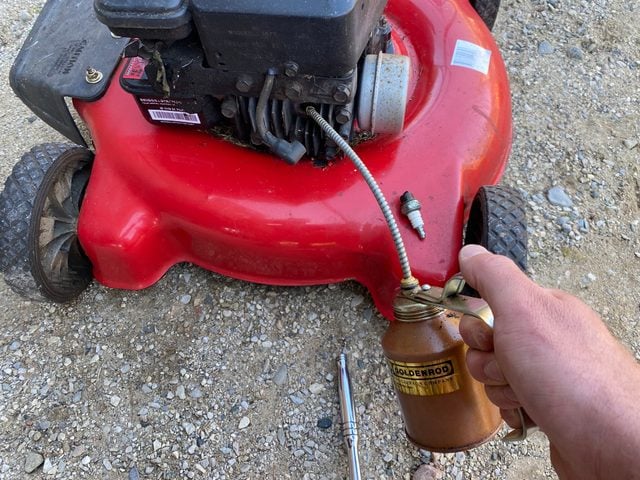
If the plug feels stuck, don’t force it too hard. Apply steady pressure, and if needed, spray some penetrating oil and wait a few minutes. Have you ever struggled with a stuck spark plug? Patience pays off here.
Once loose, carefully remove the spark plug by hand. Keep it in a safe place if you want to compare it with a new one. This old plug can tell you a lot about your engine’s health.
Check And Gap The New Plug
Checking and gapping the new spark plug is a key step before installing it. This ensures your lawn mower runs smoothly and starts easily. A spark plug with the wrong gap can cause poor performance or damage the engine.
Careful inspection and proper adjustment of the gap will save you time and money. It also helps the engine burn fuel efficiently and reduces emissions.
Inspect The New Plug
Begin by examining the new spark plug closely. Look for any visible damage or dirt on the threads and electrode. Make sure the ceramic insulator is clean and free of cracks.
Check the metal parts for corrosion or rust. The spark plug should be dry and shiny, not oily or dirty. A damaged or dirty plug can cause starting issues or engine misfires.
Adjust The Gap Correctly
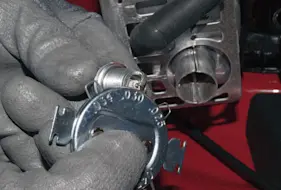
The spark plug gap is the distance between the center and side electrodes. This gap controls the spark size and engine ignition. Use a spark plug gap tool to measure this distance.
Compare the measurement with your lawn mower’s manual specifications. If the gap is too wide or too narrow, gently bend the side electrode to adjust it. Avoid forcing or breaking the electrode.
Recheck the gap after adjustment to ensure accuracy. Proper gapping improves fuel efficiency, smooth running, and reduces spark plug wear.
Install The New Spark Plug
Installing a new spark plug is a crucial step in keeping your lawn mower running smoothly. It ensures that your engine fires correctly and maintains good performance. Taking your time to do this right will save you from future headaches and help your mower start easily every time.
Screw In By Hand
Start by placing the new spark plug into the hole carefully. Turn it gently with your fingers to screw it in by hand. This prevents cross-threading, which can damage the engine and cause leaks.
If you feel resistance early on, stop and back it out to realign. Have you ever forced a spark plug only to regret it later? Taking this small step can save you from costly repairs.
Tighten With Wrench
Once the spark plug is hand-tight, use a spark plug wrench or a socket wrench to finish tightening. Turn it snugly but avoid over-tightening, which can crack the ceramic or strip the threads.
A good rule is to tighten about a quarter to half a turn beyond hand-tight, but check your mower’s manual for exact torque specs. You want a firm fit that seals well without causing damage.
Think about how a well-installed spark plug affects your mower’s performance. Would you rather struggle with a mower that won’t start or take a few extra minutes to do this job properly?
Credit: www.familyhandyman.com
Reconnect And Test
After replacing the spark plug on your lawn mower, the final step is to reconnect everything and ensure the mower runs smoothly. This stage confirms that your work is correct and the mower is ready for action. Let’s look at how to properly attach the spark plug wire and test your mower’s startup.
Attach The Spark Plug Wire
Find the spark plug wire, usually a thick black cable with a rubber boot at the end. Push the boot firmly onto the top of the spark plug until it clicks or feels snug. A loose connection here can cause your mower to stall or fail to start.
Make sure the wire isn’t twisted or pinched. You want it to have a clean path back to the ignition coil without tension. Have you ever struggled with a mower that wouldn’t start only to find the spark plug wire barely connected? Avoid that frustration by double-checking the fit.
Start The Mower
Now, it’s time to test if your spark plug replacement was successful. Move to the mower’s starting position and pull the starter cord or press the ignition button, depending on your model. Listen closely for a steady engine sound.
If the mower starts smoothly, you’ve done a great job. If it sputters or doesn’t start, double-check your spark plug wire connection and the spark plug gap. Sometimes a tiny adjustment makes all the difference in performance.
Testing immediately saves you the hassle of troubleshooting later. What’s your experience with mower startups after maintenance? This quick test can reveal if your mower is ready for the job or if it needs a bit more attention.
Tips For Maintenance
Keeping your lawn mower’s spark plug in good shape is key to smooth starts and efficient mowing. Paying attention to maintenance tips can save you time and money. Here’s how you can stay ahead and avoid unexpected breakdowns.
Regular Spark Plug Checks
Check your spark plug every 25 hours of use or at least once a season. Removing the plug and inspecting it is quick and reveals a lot about your engine’s health. Look for signs of wear like carbon buildup, oil deposits, or corrosion on the electrodes.
Cleaning the spark plug with a wire brush can extend its life. However, if the electrode is worn down or the ceramic insulator is cracked, it’s time to replace it. Have you ever ignored a simple check and ended up stuck on a hot afternoon? Don’t let that happen to you.
Signs It’s Time To Replace
Knowing when to replace the spark plug is crucial. If your mower struggles to start, runs rough, or stalls frequently, the spark plug might be the culprit. Excessive fuel consumption or poor mowing performance can also point to a worn spark plug.
Keep an eye on the spark plug gap as well. A gap that’s too wide or too narrow can affect ignition. Use a feeler gauge to measure it and adjust according to your mower’s manual. Have you checked your spark plug gap lately?
Credit: www.searspartsdirect.com
Frequently Asked Questions
How Often Should I Change Lawn Mower Spark Plugs?
Change spark plugs every 25-50 hours of use or annually. This keeps your mower running smoothly and improves fuel efficiency. Regular checks prevent engine problems and ensure easy starts.
What Tools Do I Need To Change Spark Plugs?
You need a spark plug socket, ratchet wrench, and a gap gauge. These tools help you remove, inspect, and install the spark plug correctly. Always use the right size socket for your mower’s spark plug.
How Do I Check If A Spark Plug Is Faulty?
Look for black soot, cracks, or worn electrodes on the plug. A faulty spark plug causes poor engine performance and hard starts. Use a gap gauge to ensure proper electrode spacing.
Can I Use Any Spark Plug For My Lawn Mower?
No, use a spark plug recommended by your mower’s manufacturer. Using the correct plug ensures optimal engine performance and longevity. Check your owner’s manual for specifications.
Conclusion
Changing a spark plug on a lawn mower is simple. Follow the steps, and you’ll do it easily. It helps keep your mower running smoothly. Regular maintenance extends the mower’s life. Always use the correct tools for safety. Check your manual for specific details.
Remember to disconnect the spark plug wire first. This prevents accidents. Practice makes perfect, so don’t worry if it’s your first time. Soon, you’ll do it like a pro. Enjoy your well-maintained lawn mower. Happy mowing!