Are you noticing a drop in your vehicle’s performance or experiencing rough idling? It might be time to check your spark plugs!
One crucial aspect that often gets overlooked is the spark plug gap. This small detail can have a significant impact on your engine’s efficiency and overall performance. But don’t worry—adjusting the spark plug gap is simpler than you might think.
In this guide, you’ll discover the easy steps to get your engine running smoothly again. By the end of this article, you’ll not only know how to adjust the gap but also understand why it’s vital for your vehicle’s health. Let’s dive in and get your ride back to its optimal performance!
Credit: www.vanguardpower.com
Why Spark Plug Gap Matters
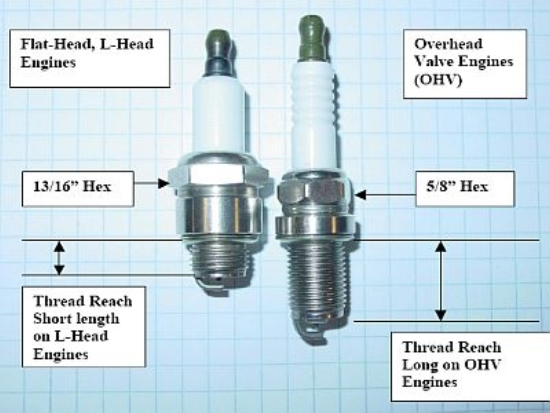
The spark plug gap is the small space between the center and ground electrodes of a spark plug. This tiny gap plays a crucial role in creating the spark needed to ignite the air-fuel mixture in the engine. The correct gap size ensures the spark is strong and consistent. A wrong gap can cause engine problems and reduce efficiency.
Understanding why the spark plug gap matters helps maintain your engine’s health. It affects power, fuel use, and the overall running of the engine. Adjusting the gap to the right size keeps your engine working smoothly.
Impact On Engine Performance
The spark plug gap affects how well the engine runs. A gap that is too small makes the spark weak. This weak spark may not ignite the fuel properly. A gap that is too large makes it hard for the spark to jump across. This can cause misfires, rough idling, and poor acceleration.
Correct gap size ensures a strong spark. This leads to better combustion and smoother engine performance.
Effects On Fuel Efficiency
A proper spark plug gap helps burn fuel completely. Complete combustion means the engine uses fuel wisely. This saves fuel and lowers emissions. A wrong gap causes incomplete burning of fuel. This wastes fuel and increases pollution.
Setting the right gap keeps fuel use low and engine output high.
Signs Of Incorrect Gap
- Engine misfires or stalls often
- Reduced power and slow acceleration
- Higher fuel consumption than usual
- Difficulty starting the engine
- Rough or uneven engine idle
These signs indicate the spark plug gap may be wrong. Checking and adjusting the gap can fix these problems.
Tools Needed For Gap Adjustment
Adjusting the spark plug gap is a precise task that demands the right tools. Having the proper equipment ensures you achieve the exact gap your engine needs for optimal performance. Without the right tools, you risk damaging the spark plug or ending up with an incorrect gap, which can cause engine misfires or poor fuel efficiency.
Gap Gauge Types
Choosing the right gap gauge is crucial. There are several types available, each with its own advantages. Knowing which one suits your needs can make the adjustment process smoother.
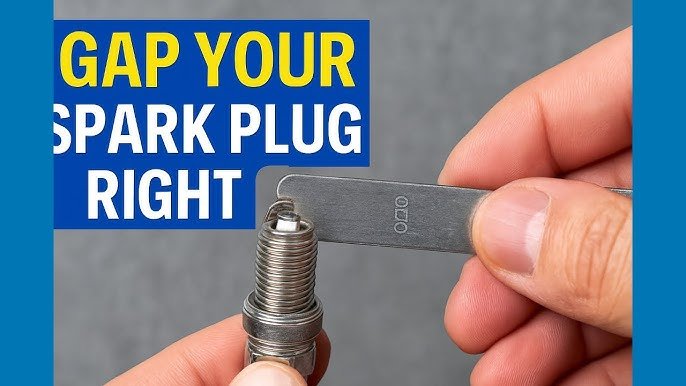
- Feeler Gauge:This is a set of thin metal blades of varying thicknesses. You slide the blades between the spark plug electrodes to measure the gap. It’s highly accurate but requires careful handling to avoid bending the electrodes.
- Wire Gauge:A looped wire of a specific diameter used to check the gap. It’s easy to use and less likely to damage the spark plug, making it great for beginners.
- Coin-Style Gauge:This flat, coin-shaped tool has notches of different sizes along the edge. You match the notch to the gap, providing a quick visual check. It’s less precise but handy for rough adjustments.
Think about the last time you struggled with an imprecise tool. Would having a wire gauge instead of a feeler gauge have saved you time and frustration?
Additional Helpful Tools
Besides the gap gauge, a few other tools can improve your adjustment experience. These help protect your spark plug and ensure you don’t accidentally alter the gap too much.
- Gap Adjustment Tool:Often a small flat piece or a round tool that gently bends the ground electrode to widen or narrow the gap.
- Torque Wrench:Ensures you tighten the spark plug to the manufacturer’s specifications without over-tightening, which can cause damage.
- Cleaning Brush:Useful for removing carbon deposits on the spark plug before checking the gap, which can affect accuracy.
- Protective Gloves:Keeps your hands clean and provides a better grip, especially when handling small tools or working in tight spaces.
Have you ever tightened a spark plug so much that it cracked? Using a torque wrench can prevent this costly mistake. Proper tools don’t just make the job easier—they protect your investment.
Measuring The Spark Plug Gap
Measuring the spark plug gap is a key step in maintaining engine performance. The gap affects how the spark ignites the fuel-air mix inside the engine. A gap that is too wide or too narrow can cause poor engine running and lower fuel efficiency. Accurate measurement ensures the gap matches the manufacturer’s specifications. This section explains how to prepare and measure the gap properly.
Cleaning The Spark Plug
Remove dirt and carbon deposits before measuring the gap. Use a wire brush or spark plug cleaner to clean the electrodes gently. Avoid damaging the center electrode or the ceramic insulator. Clean spark plugs give more accurate gap readings. Ensure the plug is dry before checking the gap.
Using The Gap Gauge Correctly
Select the right type of gap gauge: wire, blade, or coin style. Insert the gauge between the center and ground electrode. The gauge should slide in with slight resistance. If it feels too tight or loose, adjust the gap. Check the measurement against the recommended gap size. Repeat the process to confirm accuracy.

Credit: www.theengineeringchoice.com
Adjusting The Spark Plug Gap
Adjusting the spark plug gap is a simple yet crucial task that can improve your engine’s performance and fuel efficiency. The gap affects how the spark ignites the fuel-air mixture, so getting it right matters. If the gap is off, your engine might misfire or run inefficiently, which you definitely want to avoid.
Increasing The Gap Safely
To increase the spark plug gap, you need a proper gap tool, usually a feeler gauge or a gapper tool. Start by gently sliding the tool between the electrodes to measure the current gap.
If the gap is too narrow, carefully bend the ground electrode outward. Use light pressure to avoid damaging the electrode or breaking the insulator.
- Insert the gap tool between the electrodes.
- Slowly pry the ground electrode outward.
- Check the gap frequently to avoid over-widening.
Patience pays off here. I once rushed this step and ended up snapping the electrode, which meant buying a new spark plug. Taking your time helps you avoid extra costs and keeps your engine running smoothly.
Decreasing The Gap Precisely
If the gap is too wide, you’ll need to reduce it by gently bending the ground electrode inward. Use a small tool like the flat end of a gapper or the edge of a feeler gauge.
Apply small, controlled pressure to prevent snapping the electrode or damaging the ceramic insulator. Then, measure the gap after every slight adjustment.
- Place the tool on the electrode carefully.
- Press inward slowly, checking the gap often.
- Stop adjusting once the specified gap is reached.
How precise can you be? Think of it like tuning a musical instrument—tiny tweaks can make a big difference. Your engine will thank you with better starts and smoother running.
Setting The Right Gap For Your Vehicle
Setting the right spark plug gap is crucial for your vehicle’s engine performance and fuel efficiency. A gap that’s too wide or too narrow can cause misfires, reduce power, and increase emissions. Knowing the exact gap your engine needs ensures smooth starts and reliable operation every time you turn the key.
Consulting Manufacturer Specifications
Your vehicle’s manufacturer provides specific spark plug gap measurements to match the engine’s design. These specs are usually found in the owner’s manual or on a sticker under the hood. Using the right gap helps maintain optimal combustion and prevents issues like fouling or hard starts.
Don’t guess the gap based on general advice. Different engines demand different settings, even within the same brand. Checking the exact number can save you time and money on repairs later.
Considering Engine Modifications
If you’ve upgraded your engine or added performance parts, the stock spark plug gap might no longer be ideal. Modifications such as turbochargers, superchargers, or high-compression pistons change how the air-fuel mixture burns. Adjusting the gap can help improve ignition and prevent knock or detonation.
Think about how your changes affect combustion speed and pressure. Wider gaps can produce a stronger spark but may require more voltage, while narrower gaps are easier to ignite but might reduce power. Tailoring the gap to your setup can unlock better throttle response and efficiency.

Credit: forum.ih8mud.com
Common Mistakes To Avoid
Adjusting the spark plug gap requires care and attention. Mistakes here can cause engine problems or damage to parts. Avoiding common errors helps keep your engine running smoothly and prevents costly repairs.
Over-gapping Risks
Setting the gap too wide creates weak sparks. This can cause misfires and poor engine performance. Your car may use more fuel and produce more emissions. Over-gapping also stresses the ignition system and may shorten the coil’s life.
Damaging The Electrode
Using too much force while adjusting can bend or break the electrode. A damaged electrode changes the gap size and spark quality. Avoid using pliers or hard tools that can scratch or crack the electrode. Always handle spark plugs gently to maintain their condition.
Maintaining Spark Plug Performance
Maintaining spark plug performance is key for a healthy engine. Proper gap adjustment ensures efficient fuel burning. This helps your vehicle start smoothly and run better. Dirty or worn plugs can cause misfires and poor mileage. Regular care keeps your engine strong and saves money on repairs.
Regular Inspection Tips
- Check spark plugs every 10,000 miles or as recommended.
- Look for signs of wear like cracks or heavy deposits.
- Use a feeler gauge to measure the gap carefully.
- Clean the plug with a soft brush if dirty but not damaged.
- Make sure the gap matches your vehicle’s specifications exactly.
When To Replace Spark Plugs
Replace spark plugs if they show heavy wear or damage. Signs include:
- Cracked ceramic insulator
- Burned or eroded electrodes
- Excessive carbon buildup
- Difficulty in starting the engine
- Poor fuel efficiency or engine misfires
Follow the replacement interval stated in your owner’s manual. Fresh plugs improve engine power and reduce emissions. Always use the correct type and gap size for your car.
Frequently Asked Questions
What Is The Ideal Spark Plug Gap Size?
The ideal spark plug gap size varies by vehicle model. Check your owner’s manual for the exact measurement. Usually, it ranges between 0. 025 to 0. 060 inches. Correct gap size ensures efficient combustion and better engine performance.
How Often Should I Check Spark Plug Gap?
You should check your spark plug gap every 30,000 miles or during spark plug replacement. Regular checks prevent misfires and improve fuel efficiency. Proper gap maintenance extends the life of your spark plugs and engine.
What Tools Are Needed To Adjust Spark Plug Gap?
To adjust spark plug gap, use a spark plug gap tool or feeler gauge. These tools measure and set the gap accurately. Avoid using sharp objects as they can damage the electrode or insulator.
Can Incorrect Spark Plug Gap Cause Engine Problems?
Yes, an incorrect spark plug gap can cause engine misfires, rough idling, and reduced fuel efficiency. A gap too wide or narrow affects spark strength and combustion. Proper adjustment ensures smooth engine operation and better performance.
Conclusion
Adjusting the spark plug gap helps your engine run better. A correct gap improves fuel use and power. It also lowers pollution and saves money on repairs. Use a feeler gauge to measure the gap. Gently bend the ground electrode to change the space.
Check your vehicle’s manual for the right gap size. Regular checks keep your engine healthy and strong. Small steps make a big difference in car care. Keep the gap right, and your engine will thank you.





